Discount Foundation Repair helps North Texas homeowners understand one of the most common questions surrounding structural damage: whether homeowners insurance will cover foundation repair. When cracks begin spreading across walls or floors start shifting, many homeowners hope their insurance policy will help pay for repairs. Unfortunately, coverage depends heavily on what caused the damage in the first place.
Foundation repair is one of the most misunderstood areas of homeowners insurance. Some situations may qualify for coverage, while many common causes of foundation movement in Texas are typically excluded from standard policies. Understanding how insurance companies evaluate foundation claims can help homeowners avoid surprises and make informed decisions about repairs.
What Homeowners Insurance Usually Covers
Most homeowners insurance policies are designed to cover sudden and accidental damage. If a foundation problem results directly from a covered event, the insurance company may help pay for repairs.
Examples of potentially covered events include:
- Plumbing leaks that suddenly damage the foundation
- Fire damage affecting structural stability
- Storm-related flooding caused by a covered peril
- Burst pipes beneath the slab
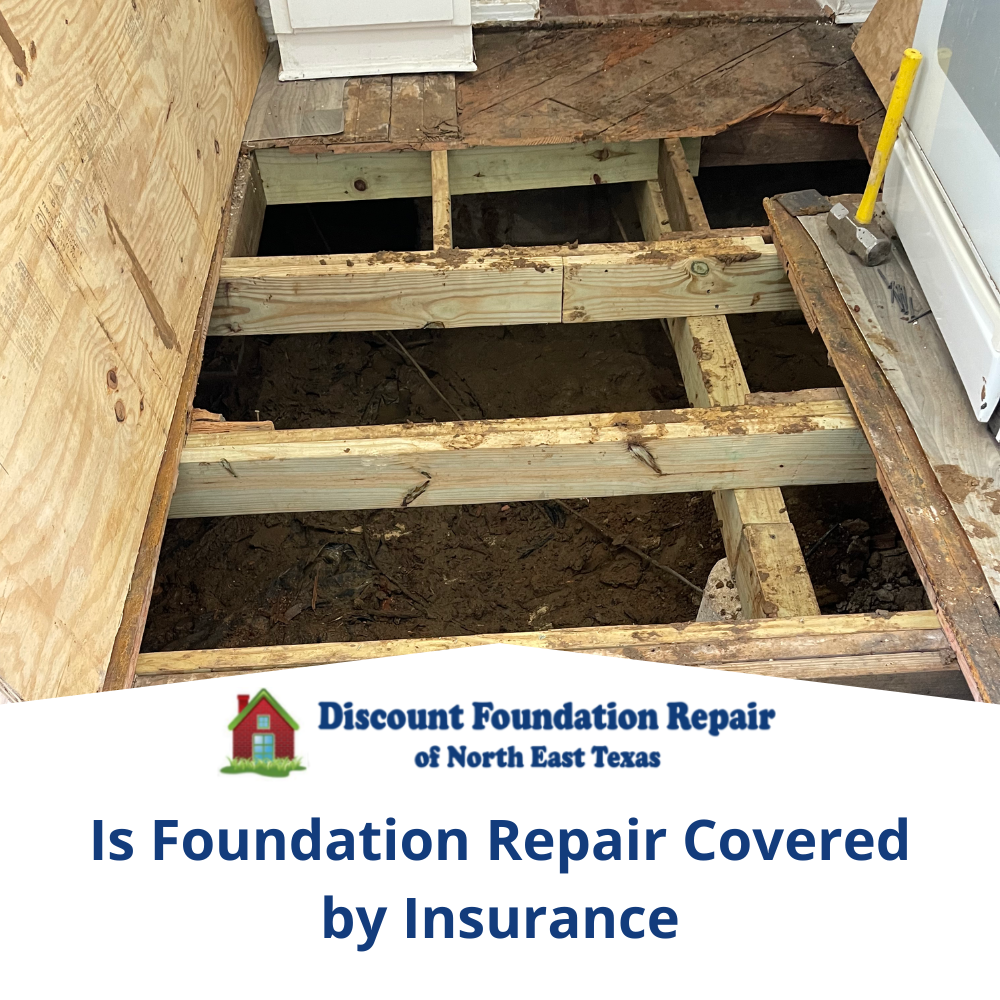
In these situations, insurance companies often investigate whether the event directly caused the structural damage. Coverage may include both the source of the problem and repairs to affected areas of the home.
However, policies vary significantly, which is why homeowners should always review their individual coverage carefully.
What Insurance Usually Does NOT Cover
In Texas, most foundation problems are caused by soil movement. Unfortunately, standard homeowners insurance policies typically exclude damage caused by:
- Expansive clay soil
- Normal settling over time
- Poor drainage around the home
- Gradual wear and tear
- Tree root moisture loss
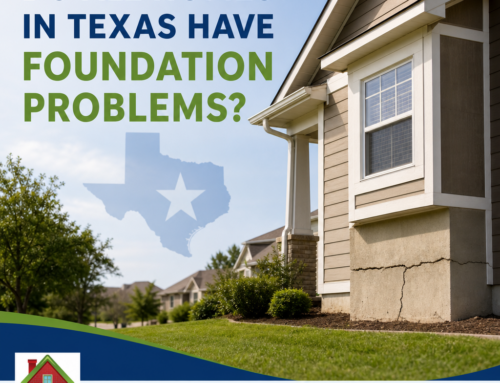
This is especially important for Texas homeowners because expansive soil is one of the leading causes of foundation movement throughout North Texas.
When soil repeatedly expands during wet weather and contracts during dry periods, the foundation may shift unevenly. Insurance companies often classify this as a maintenance or environmental issue rather than a sudden covered event.
Learn how Texas soil affects foundations
Plumbing Leaks and Foundation Damage
One of the most common situations where homeowners seek coverage is a plumbing leak beneath the slab. Water escaping from broken pipes can wash away supporting soil or create uneven moisture levels beneath the foundation.
In some cases, insurance may cover:
- Locating the leak
- Repairing sections of damaged flooring or walls
- Damage caused by the water itself
However, many policies still exclude the actual foundation stabilization work required afterward. This creates confusion for homeowners who assume the entire repair process will be covered.
A professional inspection helps determine whether plumbing issues contributed to the movement and provides documentation homeowners may need during the claims process.
See how slab foundation repair works
Why Insurance Companies Investigate Foundation Claims Carefully
Foundation repair claims are often expensive, which means insurance adjusters investigate them closely. They typically look for evidence showing whether the damage occurred suddenly or gradually over time.
Adjusters may review:
- Soil conditions around the property
- Drainage systems and gutters
- Plumbing inspection reports
- Visible cracks and structural movement
- Maintenance history
If the damage appears to result from long-term soil movement or poor drainage, the claim may be denied.
This is why proper drainage maintenance and early inspections matter. Keeping records of repairs and inspections can sometimes strengthen a homeowner’s case if damage later occurs from a covered event.
What Homeowners Should Do First
If you suspect foundation damage and plan to contact your insurance company, start by scheduling a professional foundation inspection. A contractor can document visible movement, identify possible causes, and explain whether the damage appears sudden or gradual.
Homeowners should also:
- Take photos of cracks and structural changes
- Review their insurance policy carefully
- Contact their insurance provider before beginning repairs
- Keep records of plumbing inspections or drainage work
These steps help homeowners understand their options before major repair work begins.
Schedule a professional foundation inspection
The Importance of Long-Term Prevention
Even when insurance does not cover foundation repair, homeowners can reduce future risks by maintaining consistent soil moisture and proper drainage around the property.
Simple preventive steps include:
- Keeping gutters clear
- Extending downspouts away from the home
- Watering soil consistently during dry weather
- Monitoring plumbing systems for leaks
These maintenance habits help reduce the stress expansive Texas soil places on foundations year after year.
“We assumed insurance would fully cover our foundation repair, but the claim process was confusing. Discount Foundation Repair explained everything clearly and helped us understand what repairs were actually needed.” — Homeowner in Arlington, TX
Having experienced professionals involved early can help homeowners navigate the process with less stress and uncertainty.
For additional information about homeowners insurance and structural claims, visit the Texas Department of Insurance.
Get the Help You Need
When you need answers about foundation damage and insurance coverage, call 817-123-4567 to schedule a professional inspection. Discount Foundation Repair helps North Texas homeowners understand the cause of structural movement and the best path toward long-term stability.