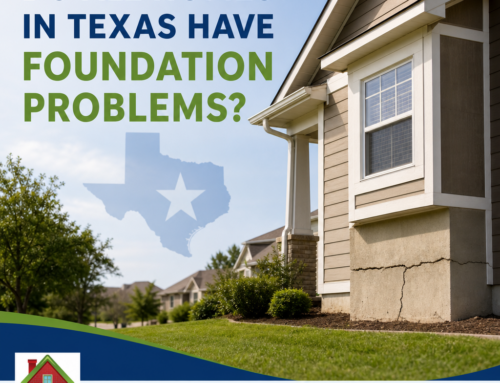
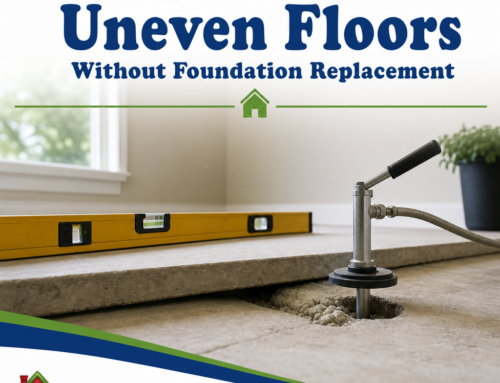
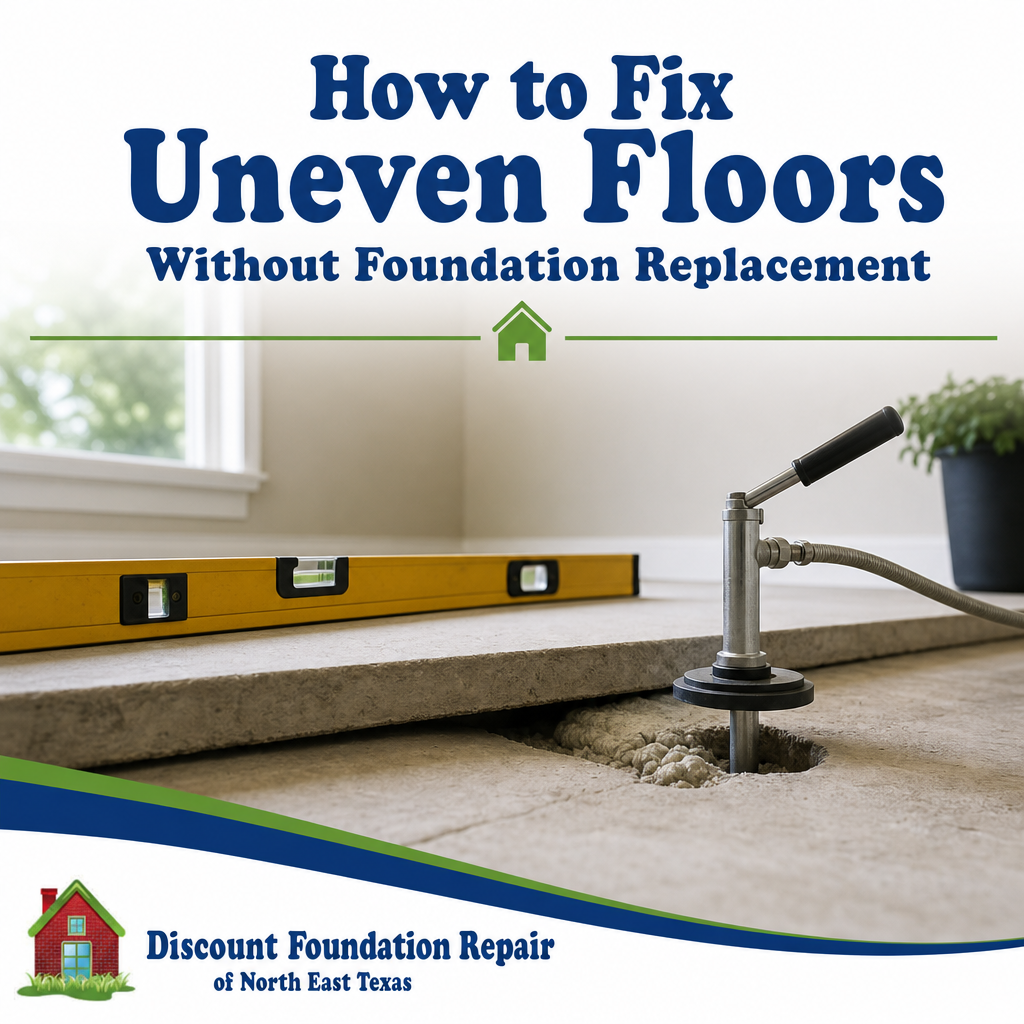
Discount Foundation Repair helps Texas homeowners understand the unique challenges their homes face due to local soil conditions. Foundation issues in this region often start beneath the surface, with shifting clay and inconsistent moisture levels creating pressure that homes aren’t built to handle without reinforcement.
Texas soil isn’t just dirt—it’s a dynamic system that expands and contracts, causing many of the cracks, gaps, and shifts that show up in walls and floors. Knowing how it works helps homeowners catch problems early and plan repairs that last.
The Role of Expansive Clay Soil
Most of Texas, especially North Texas, sits on expansive clay soil. This soil swells dramatically when wet and shrinks when dry. That cycle creates movement beneath a home’s foundation, sometimes lifting parts of the slab or pulling support away entirely.

This isn’t an occasional problem—it’s seasonal and constant. During rainy months, the ground absorbs water and expands. Then, in dry summers, it contracts. That back-and-forth movement leads to foundation settlement and stress.
Key soil behaviors that affect homes:
- Expansion from heavy rains
- Contraction during drought
- Uneven support around the foundation
How Weather Makes It Worse
Texas weather is unpredictable. Long dry spells can be followed by flash floods, which worsens the impact of clay soil. Sudden weather changes cause fast soil shifts, making foundation problems appear quickly.
Dry periods are especially risky because they shrink the soil. If rain follows quickly, the expanded soil may push unevenly against the foundation, causing cracks or raising one side of the home.
Homeowners often notice issues like sticking doors, cracked drywall, or sloping floors soon after extreme weather shifts.
Other Soil-Related Issues in Texas
While clay soil is the biggest factor, it’s not the only one. Other common soil conditions that affect Texas foundations include:
- Poor drainage: Water pooling near the foundation increases pressure and movement.
- Tree roots: Roots can absorb moisture unevenly or push into the foundation.
- Fill soil: In some developments, soil is added after construction. This soil may settle differently than natural ground.
These conditions create imbalances under the slab or beams, leading to misalignment or gradual sinking.
Read about the dangers of ignoring early signs of foundation trouble
How Builders Try to Compensate
Builders in Texas often design foundations to cope with soil movement. They might use post-tension slabs, deeper footings, or wider grade beams. But even well-built foundations can’t resist decades of soil shifting without help.
Pier and beam homes can flex slightly with the soil, but they still need reinforcement and moisture control. Slab foundations are less forgiving and tend to show visible damage faster.
That’s why many homes—new or old—need repair or adjustment after just 10 to 20 years.
Why Foundation Repair Needs to Match the Soil
The solution has to fit the problem. Foundation repair in Texas isn’t one-size-fits-all. The depth, material, and placement of piers must account for how the soil expands and contracts in a specific location.
Discount Foundation Repair tailors every repair plan to the home and its environment. Their team considers soil type, past movement, and drainage when deciding how to stabilize the foundation.
Effective solutions often include:
- Installing deep piers beneath shifting areas
- Improving drainage to manage surface water
- Re-shimming pier and beam homes in crawl spaces
Learn more about pier and beam vs. slab foundation repair
What Texas Homeowners Should Watch For
Knowing the warning signs of soil-related foundation problems can save thousands in future repairs. Watch for:
- Cracks in brick, drywall, or tile
- Doors and windows that stick
- Sloping floors or separated baseboards
- Moisture or mold in the crawl space
A professional inspection can confirm whether these issues are surface-level or signs of foundation movement.
“After a long dry summer, our floors began to slope. Discount Foundation Repair found the problem and stabilized the whole back half of our house.” — Homeowner in Fort Worth, TX
Schedule a no-pressure inspection
For additional information, the Texas A&M AgriLife Extension offers guidance on soil and foundation maintenance.
Get the Help You Need
When you need answers about foundation problems in Texas soil, call 817-226-7221. Discount Foundation Repair knows the land, the symptoms, and the solutions that keep homes level and secure.