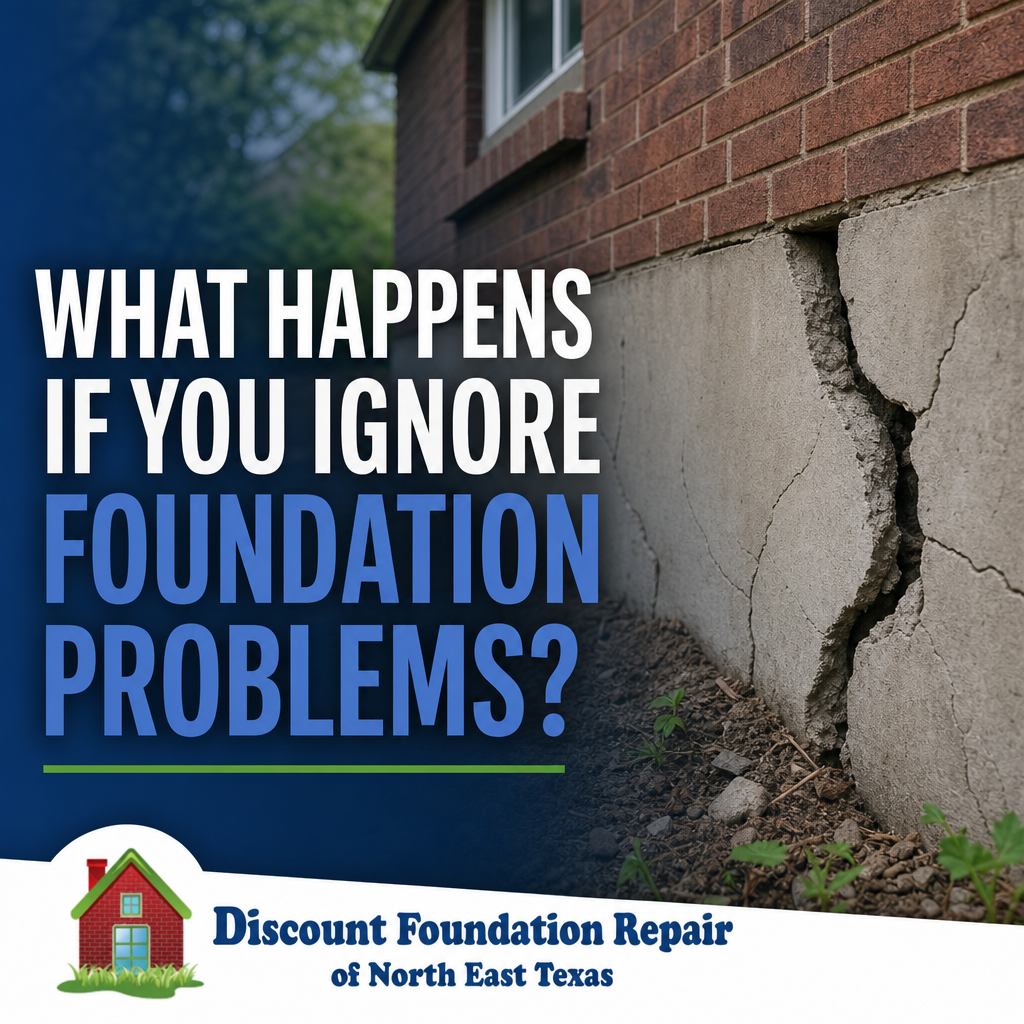
Do all homes in Texas have foundation problems, or is your house showing warning signs that call for a professional foundation inspection? Discount Foundation Repair helps homeowners protect property value, safety, and structural stability with honest evaluations and practical repair options.
Not every Texas home has foundation problems, but many are at higher risk because of expansive clay soil, heat, drought, heavy rain, drainage issues, and normal structural settling. The real concern is not whether every home will fail, but whether your home is showing signs of movement that could worsen without attention. Discount Foundation Repair helps homeowners understand what is happening beneath their property and whether services like foundation repair, slab leveling, pier and beam repair, crack repair, or drainage correction may be needed.
Texas soil movement and foundation damage concerns
Texas is known for soil that expands when wet and shrinks when dry. This constant swelling and contracting can place pressure on slab foundations, pier and beam systems, driveways, patios, and commercial structures. Over time, that movement may lead to cracks, uneven floors, sticking doors, separated trim, or gaps around windows.
Not all movement means a major structural issue. Some settling is common as homes age. The key is determining whether the movement is minor, active, or severe enough to need foundation leveling or structural stabilization. A professional inspection helps separate normal cosmetic wear from foundation damage that could affect safety, function, and value.
Common signs of foundation problems in Texas homes
Many homeowners first notice small changes inside the house before they realize the foundation may be shifting. A crack in drywall or a door that drags may seem minor, but several symptoms appearing together can point to structural movement.
Watch for these warning signs:
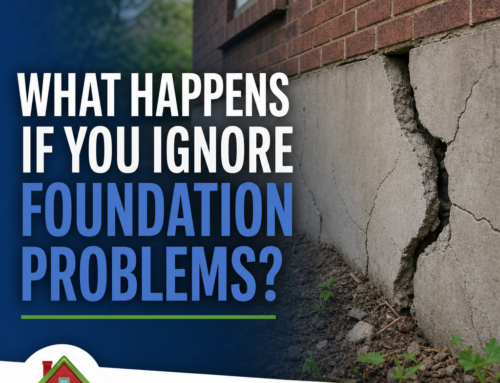
- Cracks in brick, drywall, tile, or exterior stucco
- Doors or windows that stick, swing open, or will not latch
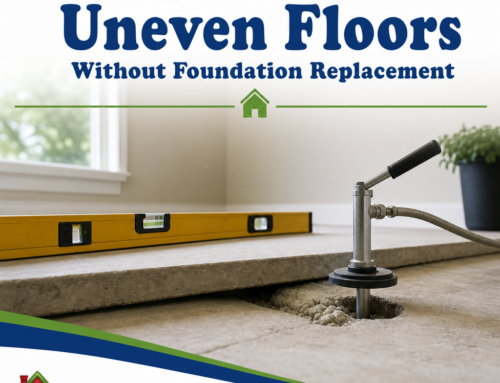
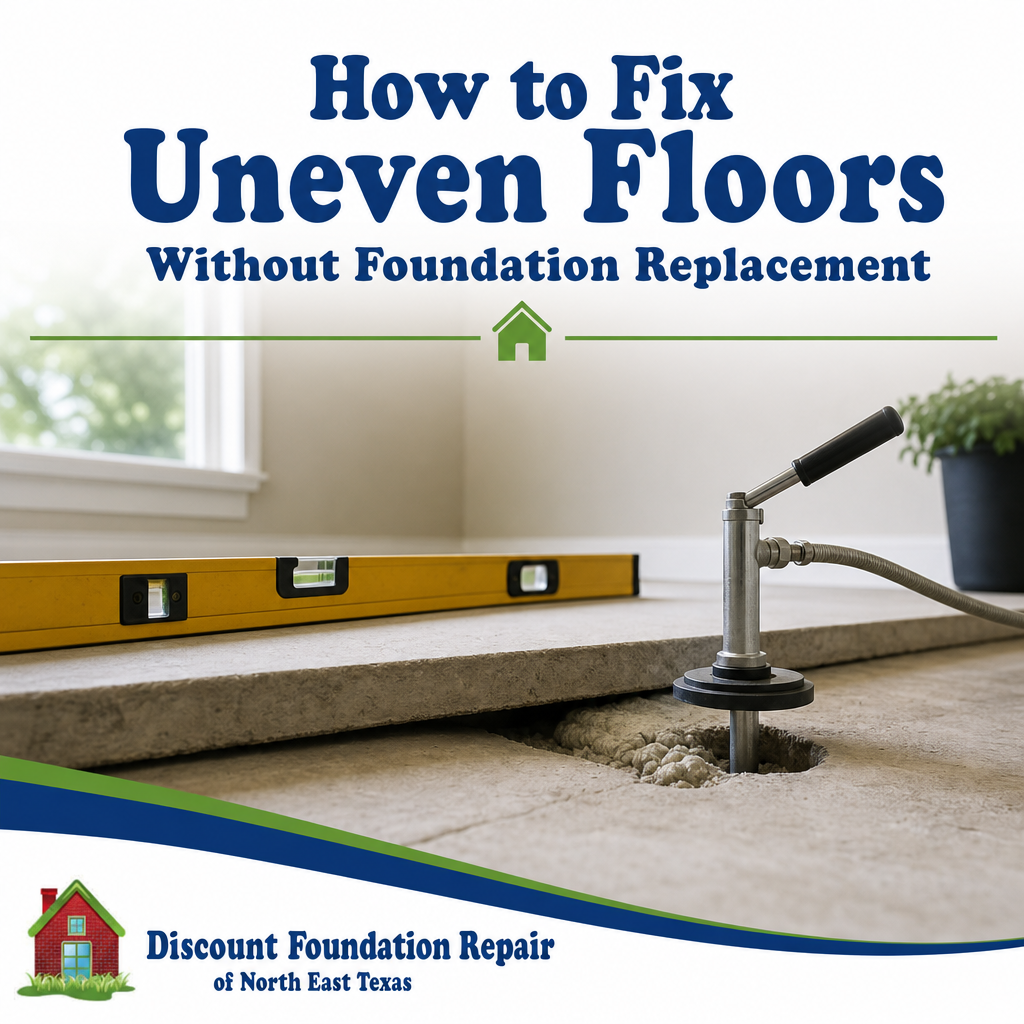
- Sloping, soft, or uneven floors
- Gaps between walls, ceilings, cabinets, or trim
- Cracks across concrete slabs, patios, or garage floors
- Moisture pooling near the foundation after rain
- Chimneys, porches, or exterior walls pulling away
If you see multiple signs, scheduling a foundation inspection is a smart next step. Early evaluation can help prevent worsening structural damage and may reduce the need for more extensive repairs later.
Slab foundation repair for Texas homes
Many Texas houses are built on concrete slabs. Slab foundations are common because they are efficient and practical, but they are still affected by soil movement and moisture changes. When one section of the slab settles or lifts, the home can begin to shift unevenly.
Slab foundation repair may involve methods designed to support affected areas, improve elevation, and address contributing conditions around the property. In some cases, slab leveling may be recommended to help restore stability. The right repair plan depends on soil behavior, drainage patterns, crack locations, foundation elevations, and the condition of the structure.
Discount Foundation Repair focuses on honest evaluations instead of one-size-fits-all recommendations. Some homes need foundation repair; others may need drainage correction, crack monitoring, or maintenance guidance before major work is considered.
Pier and beam foundation issues in older Texas homes
Many older Texas homes were built with pier and beam foundations. These systems leave a crawl space beneath the structure, which can make plumbing, ventilation, wood framing, moisture, and support conditions especially important. When beams, piers, joists, or soil supports shift, the floors above may become uneven or bouncy.
Pier and beam repair may include adjusting supports, replacing damaged wood components, improving crawl space conditions, or adding support where needed. Moisture control is often part of the conversation because poor drainage, plumbing leaks, and standing water beneath a home can contribute to wood deterioration and foundation movement.
Pier and beam homes require careful inspection because symptoms inside the house may come from more than one source. A dependable contractor will look at the full structure, not just the most visible cracks.
Drainage correction and moisture control around foundations
Water management is one of the most important parts of foundation protection in Texas. Too much water near the foundation can cause soil to swell, while long dry periods can cause soil to shrink away from the slab or piers. Both conditions can contribute to movement.
Drainage correction may include grading improvements, downspout extensions, surface drains, swales, or other solutions based on the property. The goal is to move water away from the foundation and reduce extreme soil moisture changes. Homeowners can also help by keeping gutters clean, avoiding heavy ponding near the house, and watching for plumbing leaks.
Good drainage does not promise that movement will never occur, but it can reduce stress on the foundation and support long-term structural stability.
Foundation repair costs, timelines, safety, and home value in Texas
Homeowners usually care most about cost, safety, time, and whether the problem will affect resale value. Foundation repair costs vary because every property is different. A small crack repair or drainage adjustment may cost far less than major house leveling or structural stabilization. Factors include foundation type, severity of movement, soil conditions, access, repair method, and the size of the affected area.
Timelines also depend on the project. Some inspections are completed quickly, while repairs may take longer if extensive leveling, excavation, pier installation, crawl space work, or concrete access is needed. A trustworthy foundation repair company should explain the process clearly, discuss property protection, and help you understand what to expect before work begins.
Foundation problems can affect buyer confidence, insurance conversations, lending requirements, and long-term property value. Addressing structural concerns with experienced crews and clear documentation can help homeowners make informed decisions. Choosing the right company matters because rushed repairs, poor drainage planning, or incomplete evaluations can lead to continued frustration and added costs.
When you need honest answers about Texas foundation problems
When you need help determining whether your Texas home has a real foundation issue, Discount Foundation Repair provides practical guidance, detailed inspections, and repair options based on your property’s condition. Not every crack means a major repair is needed, but ignoring active movement can allow damage to spread.
Our team works with homeowners, property managers, real estate professionals, and commercial property owners needing foundation inspections, house leveling, slab leveling, crack repair, drainage correction, and structural stabilization. If you are seeing signs of foundation movement, scheduling an evaluation is the best way to protect your home, your safety, and your investment with confidence.