Do you need foundation leveling before selling your house, or can you list the property and let the buyer deal with the foundation concerns? Discount Foundation Repair helps homeowners make smart repair decisions that protect home value, reduce closing problems, and address structural damage before it worsens.
If your home has uneven floors, wall cracks, sticking doors, or visible slab movement, foundation concerns can affect the selling process. You may not always need full foundation leveling before listing, but you do need a clear understanding of the problem, the repair options, and how buyers, inspectors, lenders, and real estate agents may respond. A professional foundation inspection can help you decide whether repairs should be completed before the sale or disclosed and negotiated properly.
Foundation Problems That Can Affect a Home Sale
Foundation issues can make buyers nervous because they suggest possible structural movement, moisture problems, or future repair costs. Even if the home looks attractive, signs of foundation damage often become a major negotiation point once the buyer’s inspector notes cracks, settlement, or uneven floors.
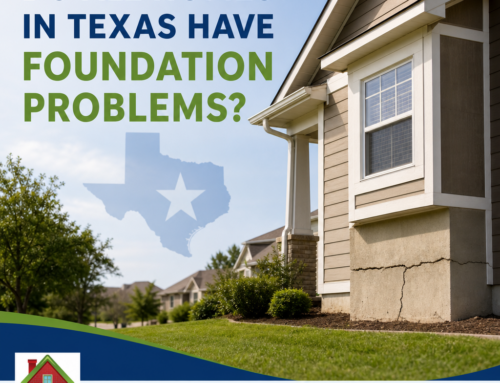
Common issues that raise concern during a sale include stair-step brick cracks, gaps around windows, sloping floors, separation at trim, cracked tile, and doors that no longer latch correctly. In slab homes, buyers may worry about the need for slab foundation repair or slab leveling. In older homes with crawl spaces, they may ask about pier and beam repair or house leveling.
A foundation issue does not automatically stop a sale, but it can delay closing, lower offers, or cause buyers to request seller credits. Getting an honest evaluation before listing gives you more control over the conversation.
Should You Repair Foundation Damage Before Listing Your Home?
Repairing foundation damage before listing can make sense if the movement is obvious, active, or likely to create problems during inspection. Buyers are usually more comfortable purchasing a home when the repair work has already been evaluated, documented, and completed by an experienced foundation repair company.
Pre-listing foundation inspections are especially helpful because they separate minor cosmetic cracks from more serious structural concerns. Not every crack means the house needs major leveling. Some homes may only need crack repair, drainage improvements, or targeted structural stabilization instead of a larger repair plan.
Selling without repairs may still be an option if the problem is minor, the market is strong, or the buyer is willing to accept the property as-is. The key is knowing the condition of the foundation before negotiations begin. Surprises during escrow often create stress, price reductions, and lost time.
Warning Signs Buyers And Home Inspectors Notice
Most buyers are not foundation experts, but they do notice unevenness and visible cracking. Home inspectors are trained to document symptoms of settlement, movement, and drainage issues. Once those concerns appear in an inspection report, buyers often ask for more information or request a specialist’s opinion.
Watch for these warning signs before putting your home on the market:
- Cracks in interior drywall, especially above doors and windows
- Exterior brick cracks or separation around mortar joints
- Floors that slope, dip, or feel uneven underfoot
- Doors and windows that stick, drag, or fail to close properly
- Gaps between walls, ceilings, baseboards, or cabinets
- Cracks in the slab, garage floor, patio, or driveway near the home
- Water pooling near the foundation after rain
If these conditions are present, scheduling a foundation evaluation before listing can help you avoid being caught off guard after the buyer’s inspection.
Drainage, Soil Movement, And Foundation Leveling Decisions
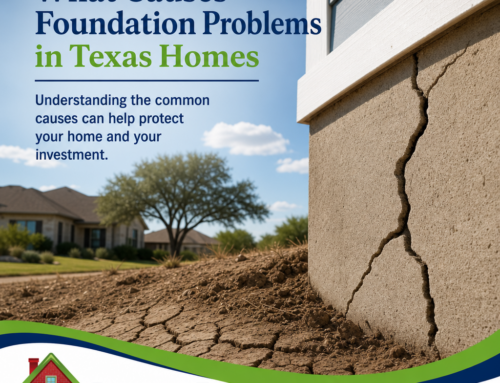
Foundation movement is often connected to soil conditions and drainage. Expansive soils can swell when wet and shrink during dry periods, placing stress on the foundation. Poor grading, clogged gutters, leaking plumbing, or water pooling near the slab can make movement worse over time.
That is why a good repair recommendation should look beyond lifting or leveling. Drainage correction may be part of protecting the structure long-term. If the soil keeps shifting because water is not managed properly, the home may continue to experience movement even after repairs.
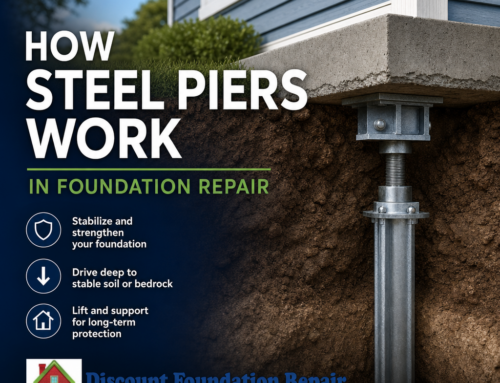
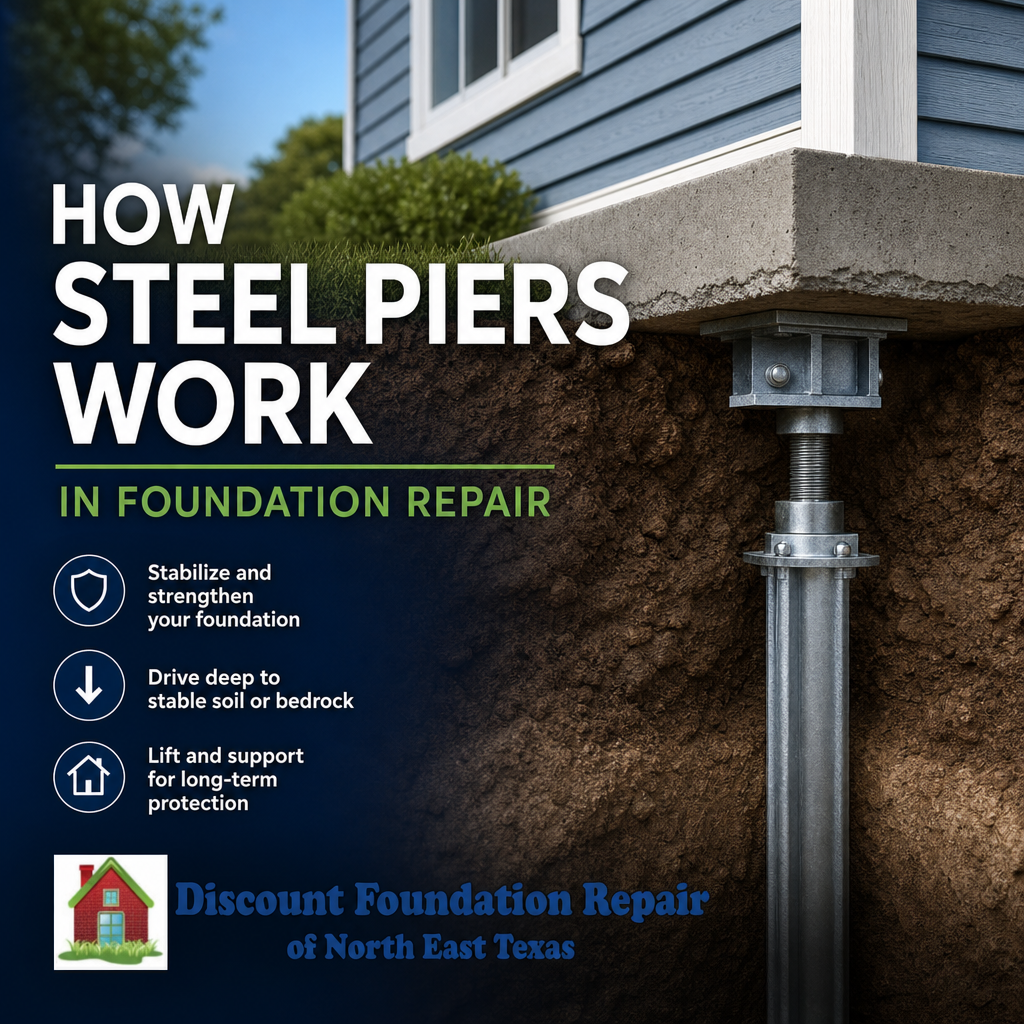
Discount Foundation Repair evaluates the property’s condition, visible damage, soil behavior, and drainage patterns before recommending repair options. Some homes need piers or leveling; others may need moisture control, grading improvements, crack repair, or a combination of services.
Foundation Repair Costs, Home Value, Safety, And Selling Timelines
Cost is one of the biggest concerns for sellers. Foundation repair pricing depends on the type of foundation, severity of movement, number of repair points, access conditions, drainage issues, and whether the home needs slab leveling, house leveling, or pier and beam repair. A minor repair may be manageable, while deeper structural stabilization can require a larger investment.
The important question is how the repair affects your sale. If foundation problems remain unresolved, buyers may reduce their offer by more than the actual repair cost because they are pricing in uncertainty, risk, inconvenience, and future damage concerns. Lenders or insurance providers may also request additional documentation if structural problems are noted.
Timelines matter, too. Some repairs can be completed quickly, while more involved projects require planning, materials, and crew scheduling. A pre-listing inspection gives you time to compare options, plan repairs, address drainage, and gather documentation before buyers start asking questions.
Choosing the right company matters as much as the repair itself. Look for honest evaluations, clear explanations, dependable workmanship, and repair recommendations based on the actual condition of the property. The goal is not to oversell unnecessary work. The goal is to protect safety, preserve home value, and reduce the chance of worsening structural damage.
When You Need Foundation Leveling Before Selling Your House
When you need foundation leveling before selling your house, Discount Foundation Repair can help you understand what is happening beneath your home and what steps make the most sense before listing. Our team provides practical evaluations for homeowners, property managers, real estate professionals, and sellers preparing for buyer inspections.
We handle foundation repair, slab foundation repair, pier and beam repair, crack repair, drainage correction, house leveling, and structural stabilization for residential and commercial properties. Every recommendation is based on the home’s condition, visible movement, drainage patterns, and long-term stability concerns.
Before you list your house, schedule a foundation inspection with Discount Foundation Repair. You will get straightforward answers, repair options that fit the property, and the confidence to move through the selling process with fewer surprises.