Wondering how to fix uneven floors without foundation replacement before sloping rooms, wall cracks, or sticking doors turn into bigger structural damage? Discount Foundation Repair helps homeowners identify the cause of uneven floors and choose practical repair options that protect long-term property stability.
Uneven floors do not always mean your entire foundation needs to be replaced. In many homes, sloping, sagging, or bouncy floors can be corrected through targeted foundation repair methods such as foundation leveling, pier adjustments, slab lifting, structural support repairs, crack repair, or drainage correction. The right solution depends on the foundation type, soil conditions, moisture problems, and the amount of movement affecting the home.
Discount Foundation Repair focuses on honest evaluations and repair recommendations based on the property’s actual condition. Instead of assuming replacement is the only answer, an inspection can determine whether your uneven floors are caused by settlement, weakened supports, drainage issues, soil movement, or a localized structural concern.
Uneven floor repair options that do not require full foundation replacement
Many homeowners worry that uneven floors automatically mean major demolition or complete foundation replacement. Fortunately, that is not usually the case. In many situations, foundation specialists can stabilize and level specific areas of the structure without removing the entire foundation system.
Common repair options may include slab leveling, pier and beam adjustments, beam reinforcement, crawl space support repairs, floor joist correction, crack repair, or adding support piers where settlement has occurred. For slab homes, slab foundation repair may involve lifting and stabilizing sunken areas. For pier and beam homes, repairs often focus on correcting damaged beams, weak piers, shifting blocks, or moisture-damaged wood components.
The goal is not simply to make the floor look better. Proper uneven floor repair should address the structural cause of the movement so the home is safer, more stable, and less likely to develop worsening cracks, gaps, and alignment problems.
Sloping floors and foundation settlement signs homeowners should not ignore
Uneven floors can develop slowly, which makes them easy to overlook. A small slope in one room may not seem urgent at first, but it can point to soil movement, water damage, foundation settlement, or weakened structural supports under the home.
Signs that uneven floors may be connected to foundation movement include:
- Interior wall cracks near doors, windows, or ceilings
- Doors that stick, swing open, or fail to latch
- Gaps between floors, trim, walls, or cabinets
- Cracked tile, separated flooring, or buckling hardwood
- Windows that are difficult to open or close
- A noticeable dip, bounce, or slope across a room
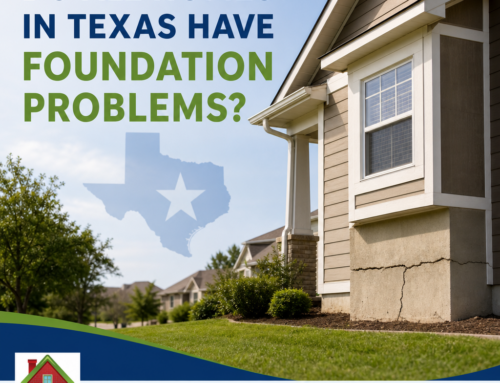
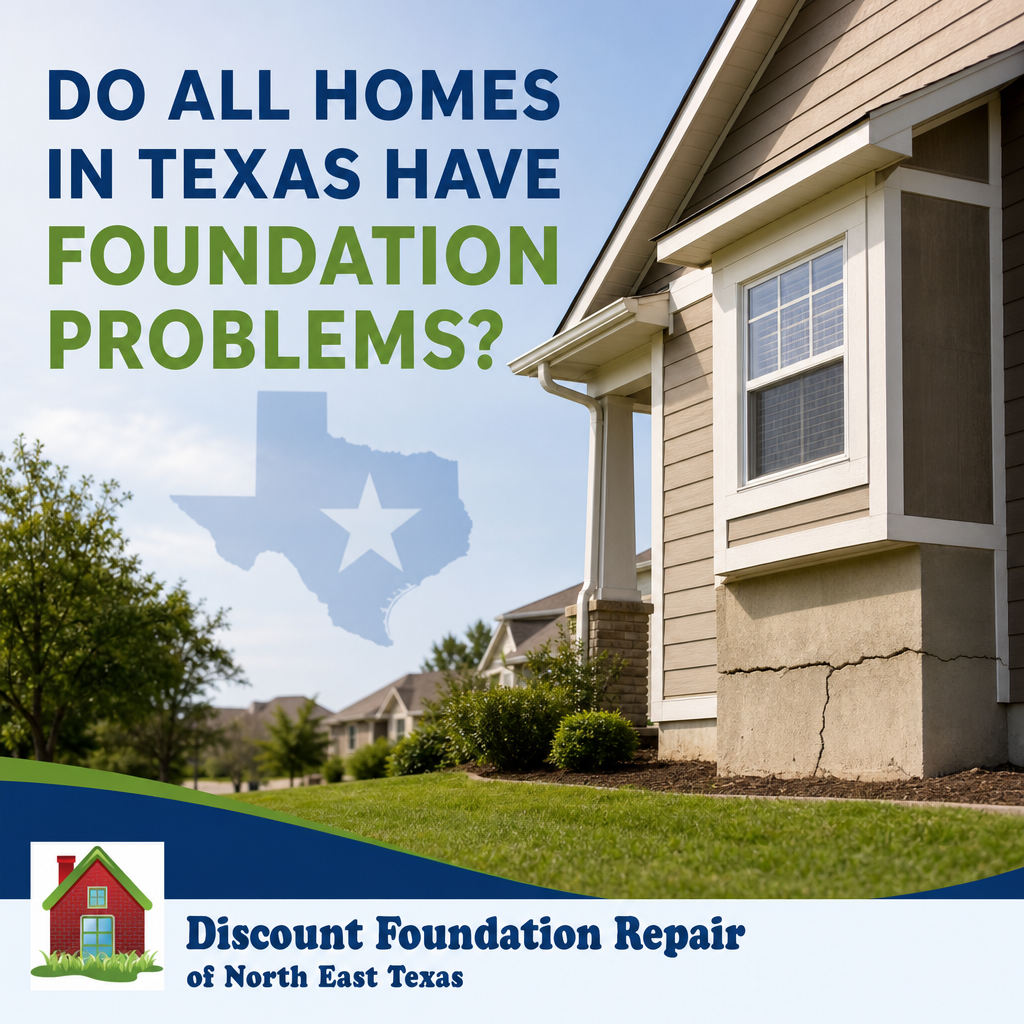
- Exterior brick cracks or stair-step cracking
- Moisture problems near the foundation or crawl space
If several of these issues are happening together, scheduling a foundation inspection is a smart step. Discount Foundation Repair provides foundation inspections to help determine whether the problem is cosmetic, structural, drainage-related, or tied to foundation movement.
Slab leveling for sunken concrete floors and settled foundations
Homes built on concrete slabs can develop uneven floors when the soil beneath the slab shifts, shrinks, washes out, or compresses. Expansive clay soil, poor drainage, plumbing leaks, and long dry periods can all affect the support beneath the concrete.
Slab leveling is often used when part of the foundation has dropped or become uneven. Depending on the condition of the slab and soil, repair options may include installing piers, stabilizing settled areas, filling voids, or correcting contributing drainage issues. A professional evaluation helps determine whether the movement is isolated or part of a larger foundation concern.
Slab repair should be handled carefully because the concrete foundation supports walls, framing, flooring, plumbing lines, and interior finishes. Attempting quick cosmetic fixes, such as adding floor patching material without addressing settlement, may cover the symptom while the structural issue continues.
Pier and beam repair for sagging floors and soft spots
Pier and beam foundations are common in many older homes and can often be repaired without complete foundation replacement. Uneven floors in these homes may be caused by settling piers, deteriorated wood beams, moisture-damaged joists, poor crawl space ventilation, or shifting soil beneath support points.
Pier and beam repair may include adjusting or replacing piers, reinforcing beams, repairing damaged joists, improving crawl space support, or correcting moisture issues. Because these foundation systems have accessible components beneath the home, targeted repairs can often restore better support and improve floor levelness.
Moisture control is especially important for pier and beam homes. If drainage problems, plumbing leaks, or crawl space humidity are damaging wood members, structural repairs should be paired with steps to reduce future moisture exposure. Discount Foundation Repair evaluates both the support system and the conditions around it so repairs are based on the full picture.
Drainage correction and soil movement solutions for uneven floors
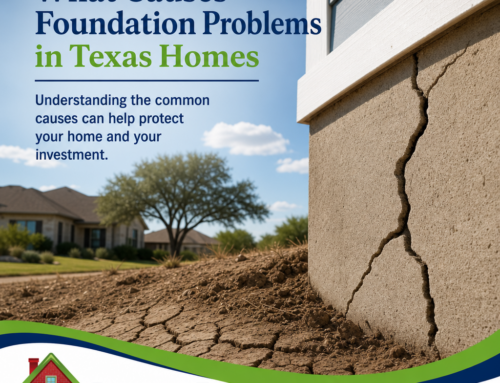
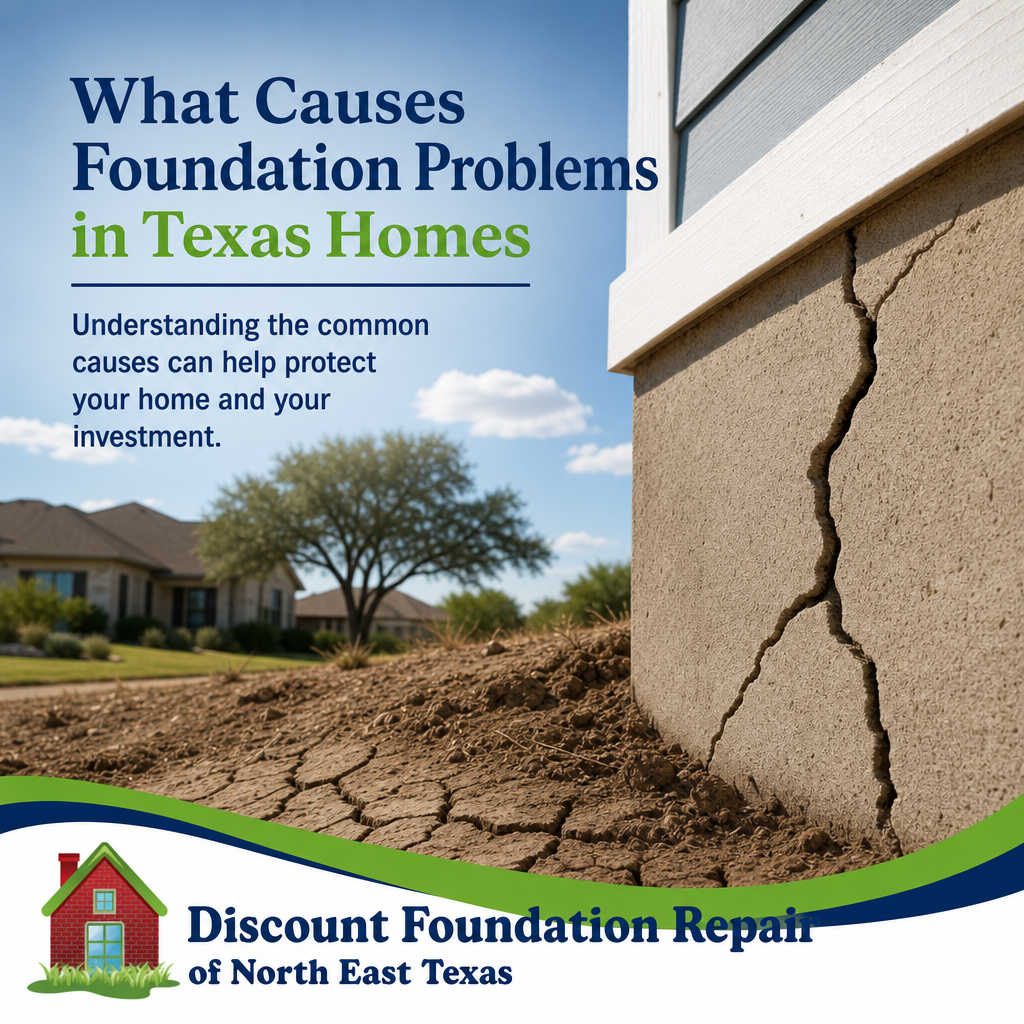
Soil movement is one of the most common causes of foundation problems. When soil becomes too wet, it can expand and push against the foundation. When it dries out, it may shrink and allow parts of the foundation to settle. Poor drainage around the home can make this cycle worse.
Drainage correction may include improving grading, redirecting downspouts, addressing standing water, installing drainage systems, or correcting areas where water collects near the foundation. These improvements do not replace structural repair when damage already exists, but they can reduce ongoing stress on the foundation and support long-term stability.
Homeowners should also watch for landscaping or irrigation issues that keep soil too wet in one area while other areas dry out. Consistent moisture management around the home is often an important part of protecting repaired foundations and reducing additional movement.
House leveling and structural stabilization for long-term floor support
When uneven floors are caused by settlement, sagging supports, or structural movement, house leveling may be recommended. House leveling does not always mean raising the entire home dramatically. In many cases, it involves carefully correcting low areas, improving support, and stabilizing the structure to reduce stress on walls, floors, doors, and windows.
Structural stabilization may include piers, supports, beam repairs, joist reinforcement, or slab stabilization depending on the foundation type. The process should be planned according to the home’s construction, the amount of movement, and the risks of forcing materials back too quickly.
Experienced crews understand that older homes, remodeled spaces, and previously repaired foundations need special care. Discount Foundation Repair looks at how the foundation, framing, drainage, and soil conditions work together before recommending repair options.
Cost to fix uneven floors, protect home value, and choose the right repair company
The cost to fix uneven floors without foundation replacement depends on several factors: foundation type, severity of movement, access under the home, soil conditions, drainage problems, damaged materials, and the number of support points involved. A small localized pier adjustment will usually differ in cost from a larger structural stabilization project or slab foundation repair involving multiple settled areas.
Homeowners also care about timelines, disruption, safety, and property value. Many uneven floor repairs can be completed without fully vacating the home, although the exact timeline depends on the repair plan. Addressing the issue early can help prevent worsening drywall cracks, flooring damage, plumbing strain, door misalignment, and buyer concerns during a future sale.
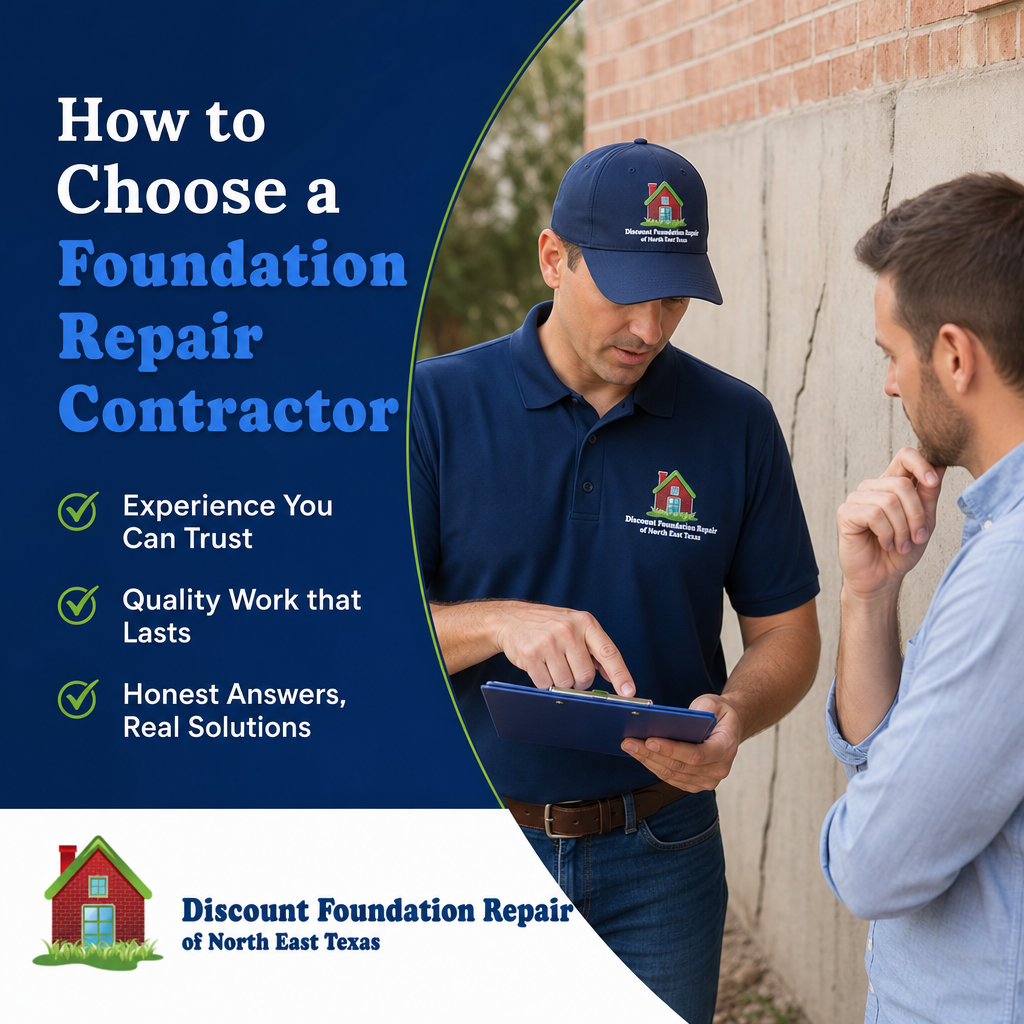
Choosing the right foundation repair company matters. Look for honest inspections, clear explanations, practical repair options, experienced crews, and attention to drainage and soil movement. A dependable contractor should explain what is happening, what can be repaired, what may need monitoring, and how the recommended work supports long-term structural stability.
Get the help fixing uneven floors without replacing your foundation
Get the help you need from Discount Foundation Repair if you are dealing with uneven floors, sloping rooms, sagging spots, slab settlement, or pier and beam foundation problems. Our team provides honest evaluations, practical repair recommendations, and dependable workmanship for residential and commercial properties.
We help homeowners understand whether they need foundation leveling, crack repair, slab foundation repair, pier and beam repair, drainage correction, house leveling, or structural stabilization. If your floors feel uneven or your home is showing signs of movement, scheduling an inspection is the best first step toward protecting your home, safety, and property value.