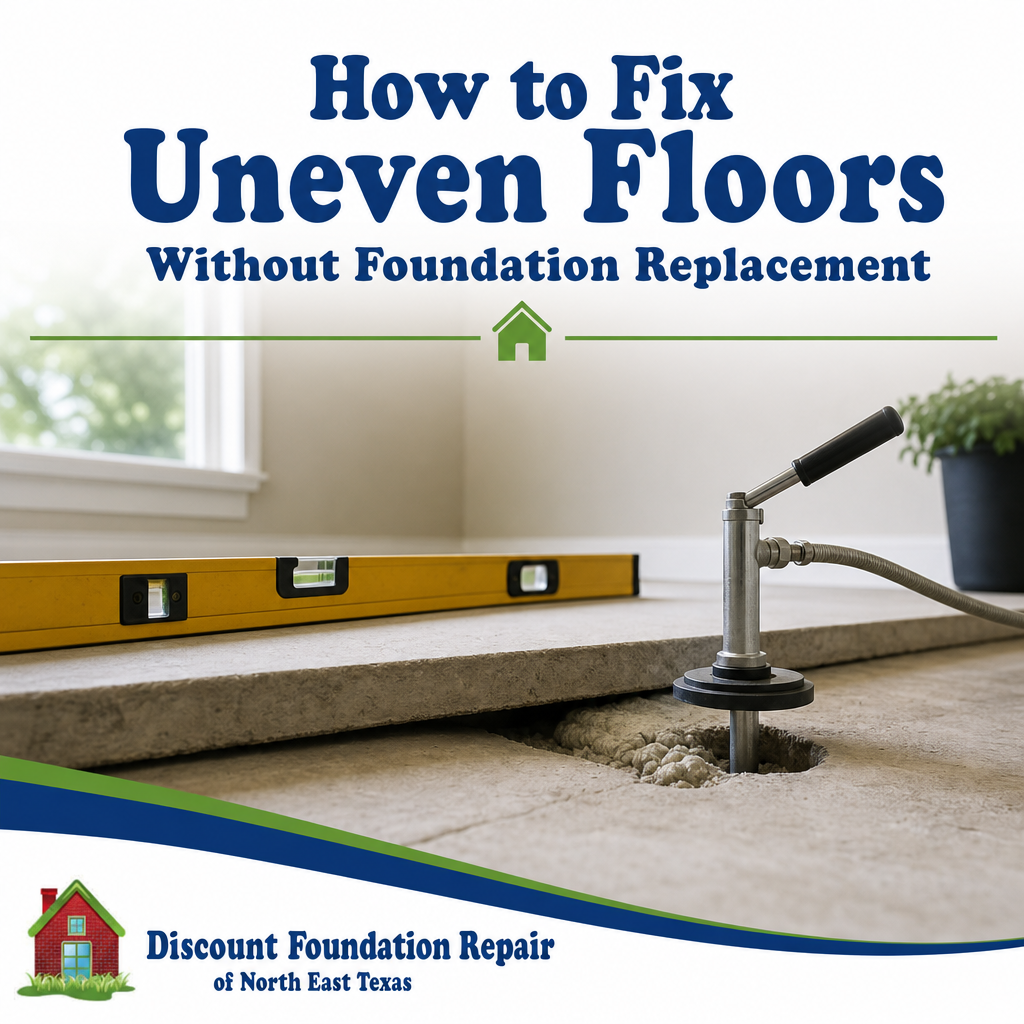
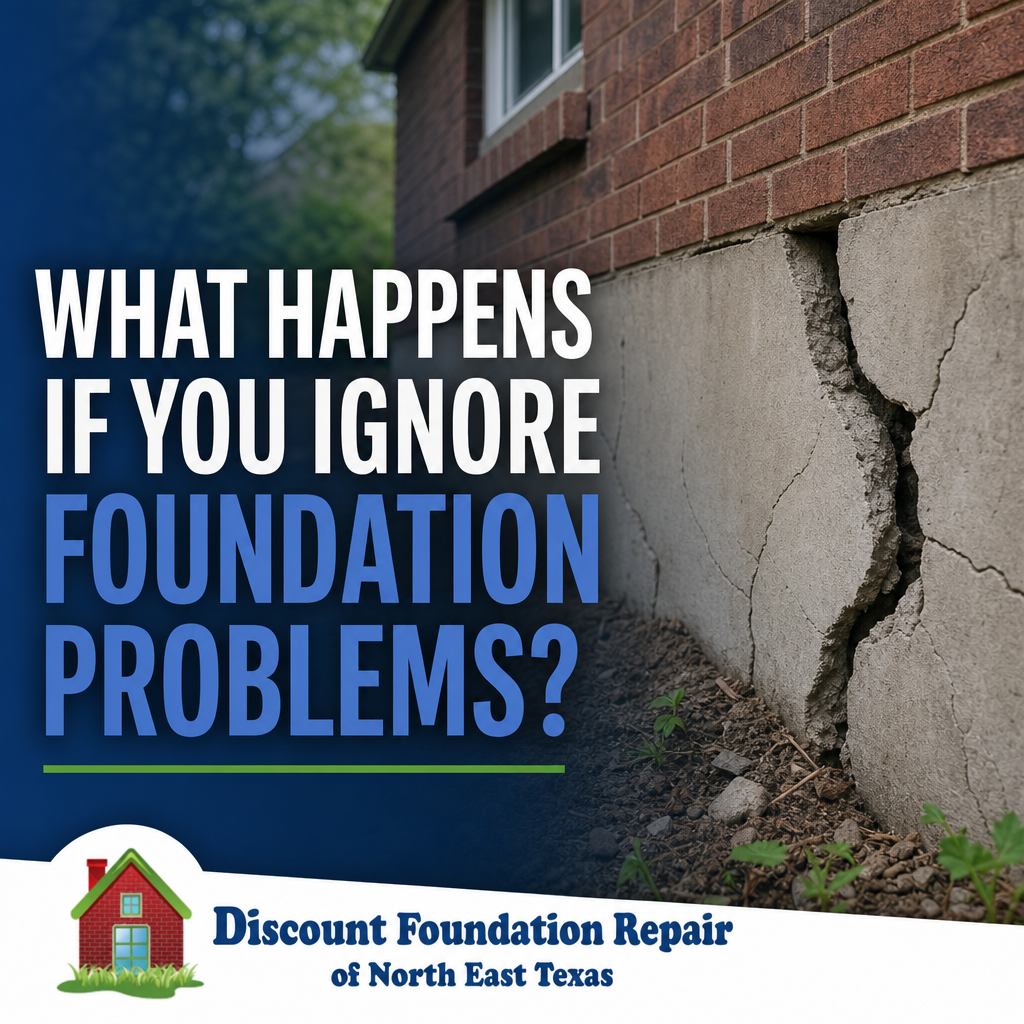
Discount Foundation Repair helps North Texas homeowners identify the hidden causes behind uneven or sloping floors before the problem turns into serious structural damage. Floors that dip, bounce, or feel out of level are often one of the first signs that something underneath the home is shifting or weakening.
Many homeowners notice uneven floors gradually. A chair starts wobbling in one room. A ball rolls across the floor on its own. Walking through the house suddenly feels different. While some floor movement may seem minor at first, uneven flooring often points to deeper foundation or structural problems that should not be ignored.
Foundation Movement Is the Most Common Cause
In Texas, the leading cause of uneven floors is foundation movement. The clay-rich soil throughout North Texas expands when it absorbs water and shrinks during dry weather. This constant expansion and contraction places pressure on the foundation beneath the home.
As the soil shifts, parts of the foundation may settle unevenly. When one section sinks lower than another, the floors above begin to slope or dip.
This type of movement affects both slab foundations and pier and beam homes, although the symptoms may appear differently depending on the foundation type.
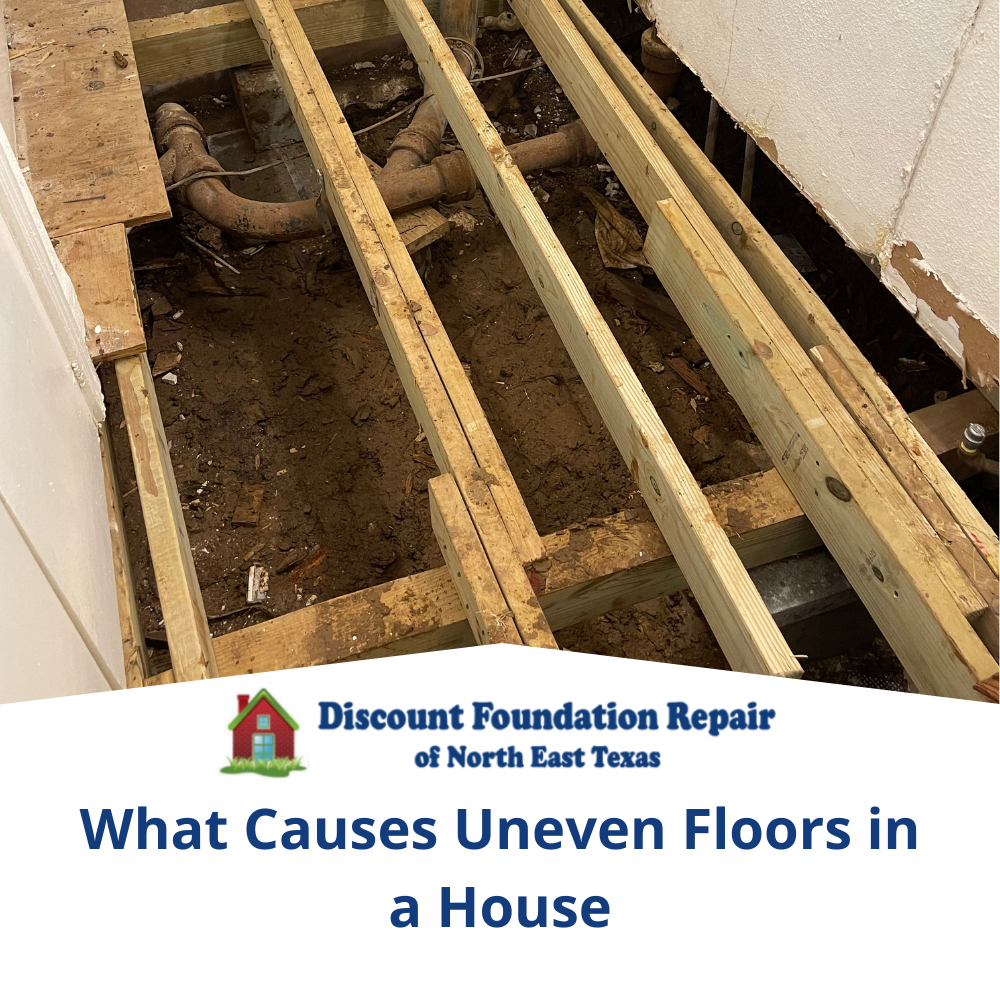
Homes with slab foundations often develop cracks in tile or flooring as the concrete shifts. Pier and beam homes may feel bouncy or sagging when support piers or beams weaken over time.
Learn more about pier and beam foundation repair
Moisture Problems Beneath the Home
Water plays a major role in floor movement. Too much moisture beneath the home can weaken support structures and soften the soil supporting the foundation.
Common moisture-related problems include:
- Plumbing leaks beneath the slab
- Poor drainage around the property
- Standing water in crawl spaces
- Gutter overflow near the foundation
When water consistently collects beneath one area of the home, that section may begin sinking faster than the rest of the structure.
In pier and beam homes, moisture can also cause wooden joists and beams to rot or weaken. This often leads to soft, sagging floors that worsen over time.
Damaged or Aging Support Beams
Older homes frequently develop uneven floors because the structural supports underneath the house begin deteriorating with age. Wood beams may crack, warp, or weaken after decades of supporting the structure.
In pier and beam foundations, support piers can also shift or sink into the soil, leaving sections of flooring without proper support.
Homeowners sometimes notice:
- Floors sagging in the center of rooms
- Squeaking or bouncing when walking
- Visible gaps between the floor and baseboards
These symptoms usually indicate that structural components beneath the home need reinforcement or replacement.
See how house leveling restores structural balance
Tree Roots and Soil Changes
Large trees near a home can contribute to uneven floors by affecting the moisture levels in the soil. Tree roots absorb significant amounts of water during hot Texas summers, causing the soil beneath portions of the foundation to dry out and shrink.
This creates uneven support beneath the house, leading to settlement on one side or corner of the structure.
Seasonal weather changes often make the problem worse. Heavy rain after long dry periods can rapidly re-expand the soil, creating additional pressure beneath the foundation.
The repeated shrinking and swelling cycle is one of the biggest reasons Texas homes experience long-term foundation movement.
Poor Construction or Settling
Some uneven floors result from normal settling, especially in older homes. Over time, all structures shift slightly as building materials adjust and compact beneath the weight of the house.
However, poor construction practices can speed up the process. Inadequate soil preparation, weak support spacing, or improper grading may cause certain sections of the home to settle unevenly much sooner than expected.
Even newer homes can experience floor movement if drainage around the property was not designed correctly.
How Uneven Floors Are Diagnosed
A professional inspection helps determine whether uneven floors are caused by cosmetic issues or structural movement beneath the home.
Foundation specialists often:
- Measure floor elevation throughout the house
- Inspect crawl spaces or slab conditions
- Check for moisture intrusion or drainage problems
- Examine support beams and foundation piers
This process identifies where movement is happening and what repairs may be necessary to stabilize the structure.
Schedule a professional foundation inspection
Why Early Repairs Matter
Uneven floors rarely improve on their own. As movement continues, homeowners may begin noticing additional problems throughout the house, including drywall cracks, sticking doors, and plumbing issues.
Addressing the problem early helps prevent larger structural repairs later. Stabilizing the foundation also protects the long-term value of the home.
“We noticed our living room floor sloping slightly but assumed it was normal settling. Discount Foundation Repair found movement under one side of the house and corrected it before it caused major damage.” — Homeowner in Keller, TX
Professional repairs not only restore stability but also help homeowners feel confident about the safety of their property.
For additional information about structural floor movement, visit the American Society of Home Inspectors.
Get the Help You Need
If you’re looking for answers about uneven floors in your home, call 817-123-4567 to schedule a professional inspection. Discount Foundation Repair provides expert evaluations and long-term solutions designed specifically for Texas homes and soil conditions.