Discount Foundation Repair helps North Texas homeowners understand what happens during the foundation repair process so there are no surprises along the way. Searching for foundation repair near me usually starts after homeowners notice cracks, uneven floors, sticking doors, or other signs of structural movement. While foundation issues can feel overwhelming at first, understanding the repair process makes it much easier to know what comes next.
Every home is different, but most foundation repair projects follow the same general process: inspection, diagnosis, stabilization, and long-term prevention. Knowing what to expect helps homeowners feel confident before work begins.
The First Step Is a Foundation Inspection
Foundation repair starts with a professional inspection. During this visit, a technician evaluates both the inside and outside of the home to determine whether the foundation has shifted and what may be causing the movement.
The inspection often includes checking:
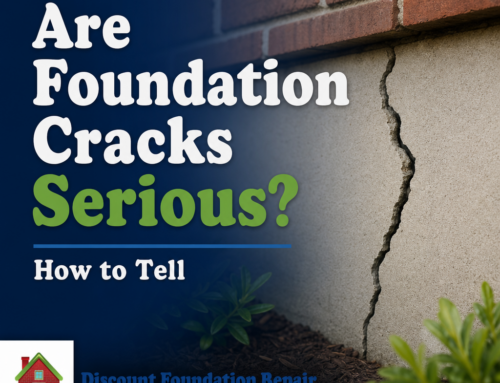
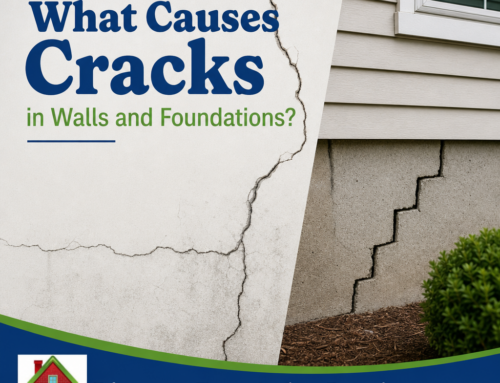
- Cracks in walls, ceilings, brick, or flooring
- Door and window alignment
- Floor elevation measurements
- Drainage conditions around the property
In many Texas homes, expansive clay soil is the biggest cause of movement. Soil expands during wet weather and shrinks during dry conditions, creating constant pressure beneath the foundation.
An inspection helps determine whether the issue is cosmetic, minor settling, or structural movement requiring repair.
Read more about early foundation warning signs
Understanding the Repair Plan
Once the inspection is complete, the contractor explains the repair plan and identifies which parts of the home need stabilization. This recommendation depends on the foundation type, soil conditions, and severity of movement.
For slab foundations, repairs often involve installing steel or concrete piers beneath sections of the home that have settled. These piers transfer the weight of the structure to more stable soil deeper underground.
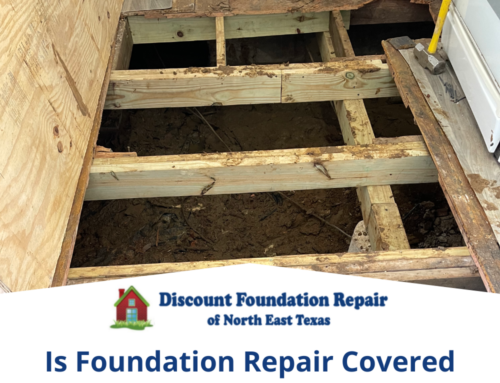
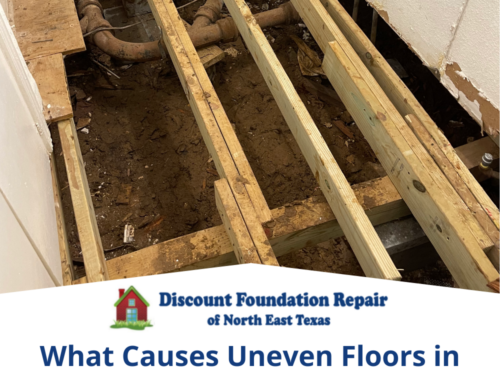
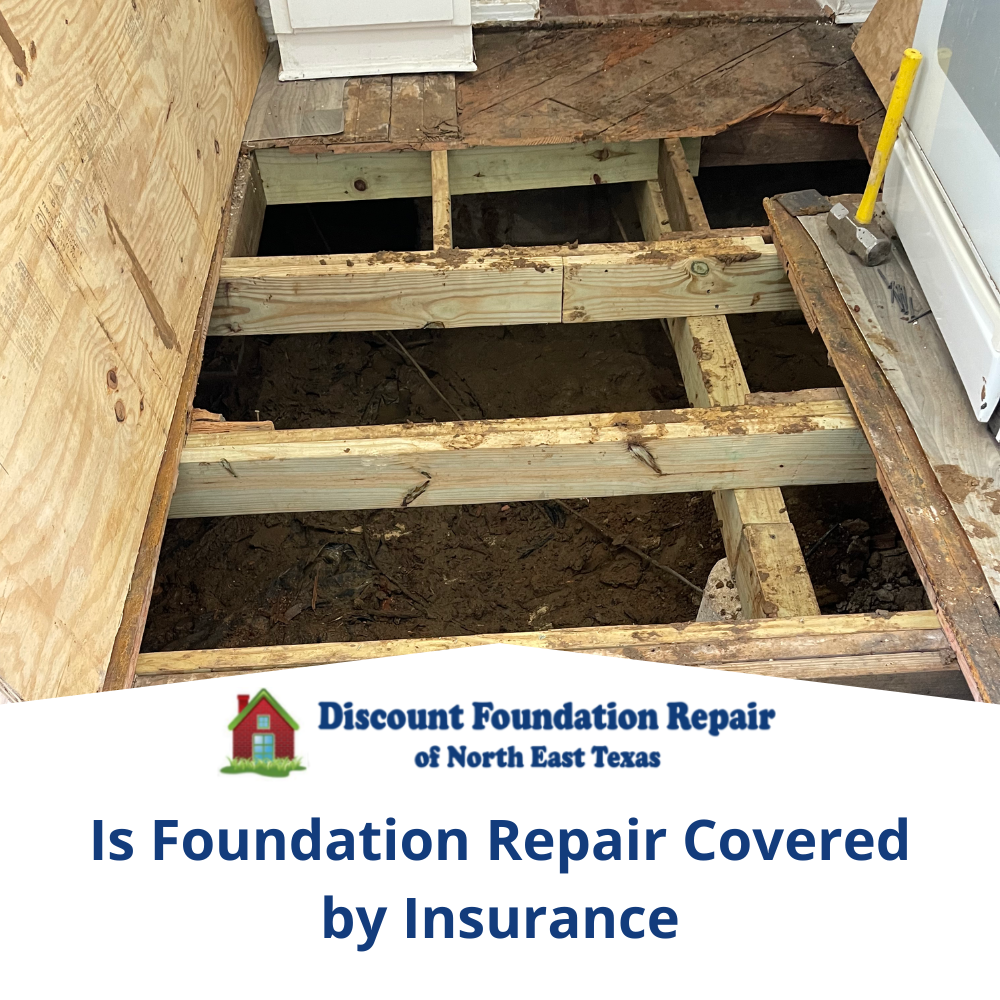
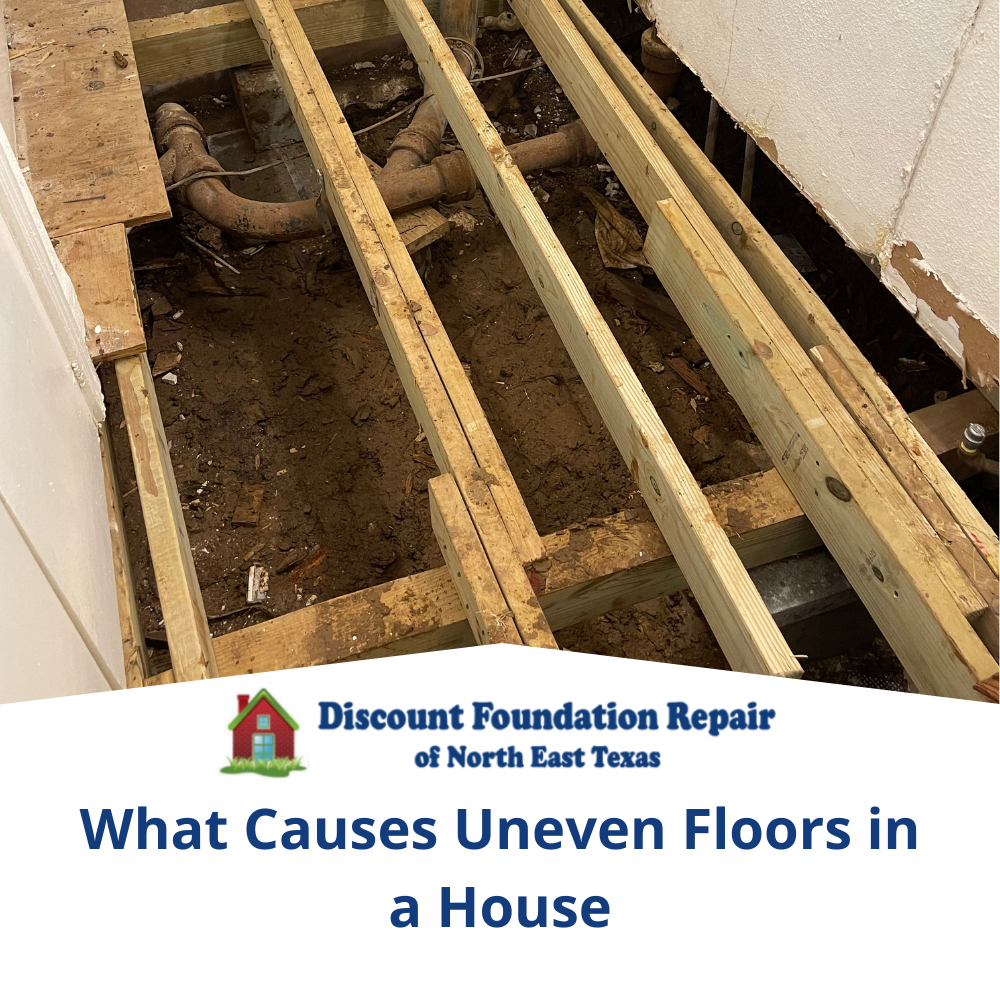
Pier and beam homes require a different approach. Repairs may include adjusting support piers, reinforcing floor joists, or replacing damaged beams beneath the crawl space.
A good contractor explains the process clearly, answers questions, and outlines what homeowners can expect during the project.
Learn how house leveling works
What Happens During Foundation Repair
Many homeowners worry that foundation repair will completely disrupt their daily lives. In reality, most projects are less invasive than expected.
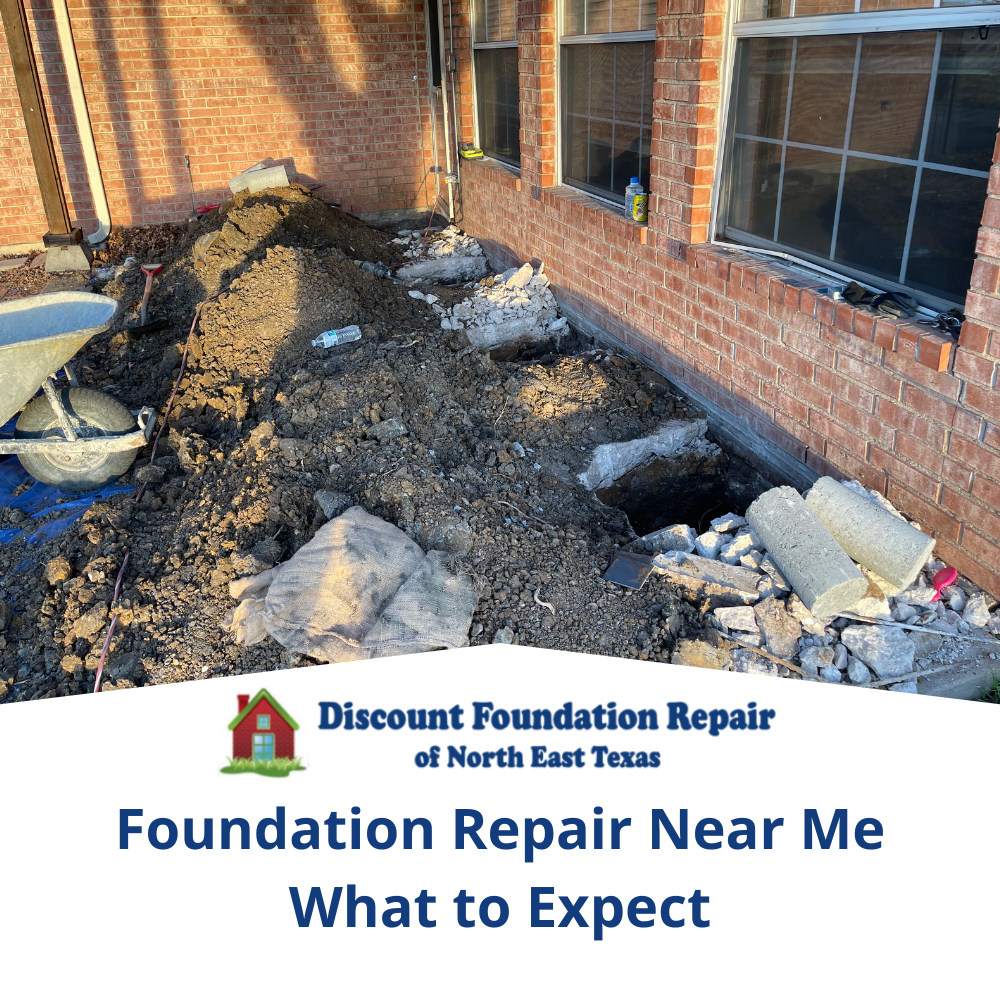
Repair crews typically begin by preparing the work areas around the home. Small sections near the foundation may be excavated to access the footing where support piers will be installed.
Hydraulic equipment is then used to carefully lift and stabilize the affected areas of the home. The goal is to restore structural support while minimizing stress on the building materials above.
Most projects are completed within a few days, depending on the size of the home and the extent of the repairs.
Homeowners may hear minor creaking sounds as the house adjusts during lifting, which is normal during stabilization.
What Happens After the Repair
After the repair is complete, the contractor usually performs a final walkthrough to explain the completed work and answer questions. Homeowners often notice immediate improvements, such as doors closing properly again or floors feeling more level.
However, some cosmetic damage may still remain. Drywall cracks or trim gaps sometimes require separate cosmetic repair after the structure has stabilized fully.
Most reputable foundation repair companies also provide warranties for the completed work. These warranties help protect homeowners if additional adjustments are needed later.
The Importance of Drainage and Maintenance
Foundation repair is not only about lifting or stabilizing the home. Long-term protection also depends on controlling moisture around the foundation.
Poor drainage is one of the leading causes of foundation movement in North Texas. Water pooling near the home causes the surrounding soil to expand unevenly, while drought conditions cause it to shrink.
After repairs, homeowners should:
- Keep gutters clean and functioning properly
- Extend downspouts away from the house
- Maintain consistent soil moisture during dry weather
These simple steps help reduce future soil movement and extend the life of the repair.
See how drainage problems affect foundations
Choosing the Right Foundation Repair Company
Not all foundation repair contractors provide the same level of experience or service. Homeowners should look for companies with strong local knowledge, clear communication, and experience working with Texas soil conditions.
Discount Foundation Repair has served North Texas homeowners for decades with professional inspections, honest recommendations, and long-term repair solutions designed specifically for local foundations.
“We were nervous after searching for foundation repair near me because we didn’t know what to expect. The team explained every step, completed the work quickly, and kept us informed the entire time.” — Homeowner in Fort Worth, TX
Working with an experienced contractor helps reduce stress and ensures repairs are done correctly the first time.
Schedule a professional foundation inspection
For additional information about foundation maintenance and structural movement, visit the International Association of Certified Home Inspectors (external link).
Get the Help You Need
If you’re looking for foundation repair near you in North Texas, call 817-123-4567 to schedule a professional inspection. Discount Foundation Repair provides honest evaluations, proven repair methods, and long-term solutions designed for Texas homes.