Are cracks in walls and foundations making you wonder if your home is settling, shifting, or developing serious structural damage that needs professional attention? Discount Foundation Repair helps homeowners understand what causes cracks in walls and foundations and provides honest foundation evaluations to protect property value, safety, and long-term stability.
Cracks can appear for many reasons, from normal material shrinkage to soil movement beneath the home. Some cracks are cosmetic, while others point to foundation settlement, drainage problems, slab movement, or structural stress. Knowing the difference matters because early foundation inspections can help prevent minor warning signs from turning into expensive damage. Discount Foundation Repair evaluates the condition of the property, explains the likely cause, and recommends repair options based on what the structure actually needs.
Common causes of cracks in walls and foundations
Most wall and foundation cracks begin with movement. Homes are heavy structures built on soil that expands, contracts, erodes, and shifts over time. When the ground below a slab or pier and beam foundation changes unevenly, the structure may move with it. That movement can create stress in drywall, brick, concrete, flooring, and framing.
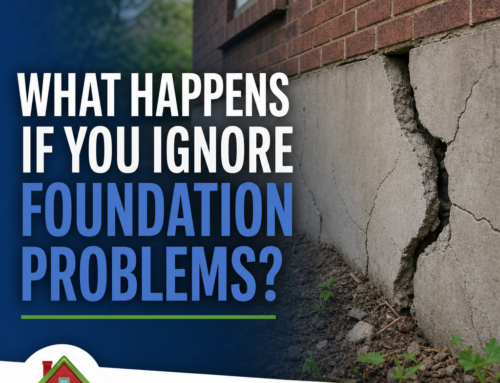
In many cases, cracks are caused by a combination of age, soil conditions, moisture changes, and construction factors. A small hairline crack may not mean the foundation is failing, but cracks that widen, spread, stair-step through brick, or return after patching deserve attention. Professional foundation repair companies look at the full pattern of damage, not just one visible crack.
Foundation cracks may also develop after plumbing leaks, poor drainage, tree root activity, or extended drought. Each issue affects the soil differently, which is one reason a proper inspection is important before choosing crack repair, drainage work, slab leveling, or structural stabilization.
Soil movement and foundation settlement under the home
Soil movement is one of the most common reasons homeowners see cracks in walls and foundations. Clay-heavy soils can swell when wet and shrink when dry. This cycle creates pressure against the foundation, then leaves gaps beneath it when the soil contracts. Over time, uneven support can lead to settlement or heaving.
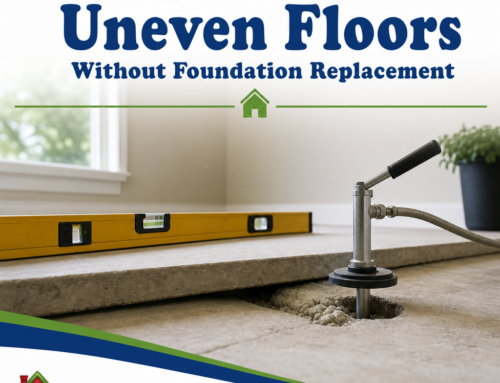
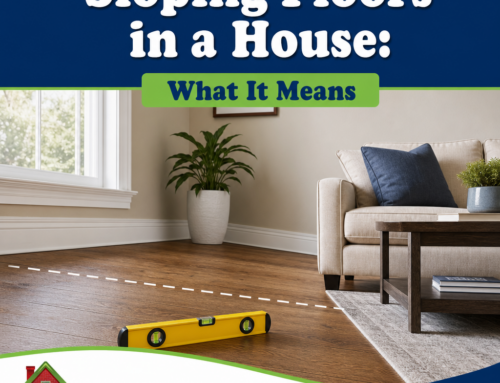
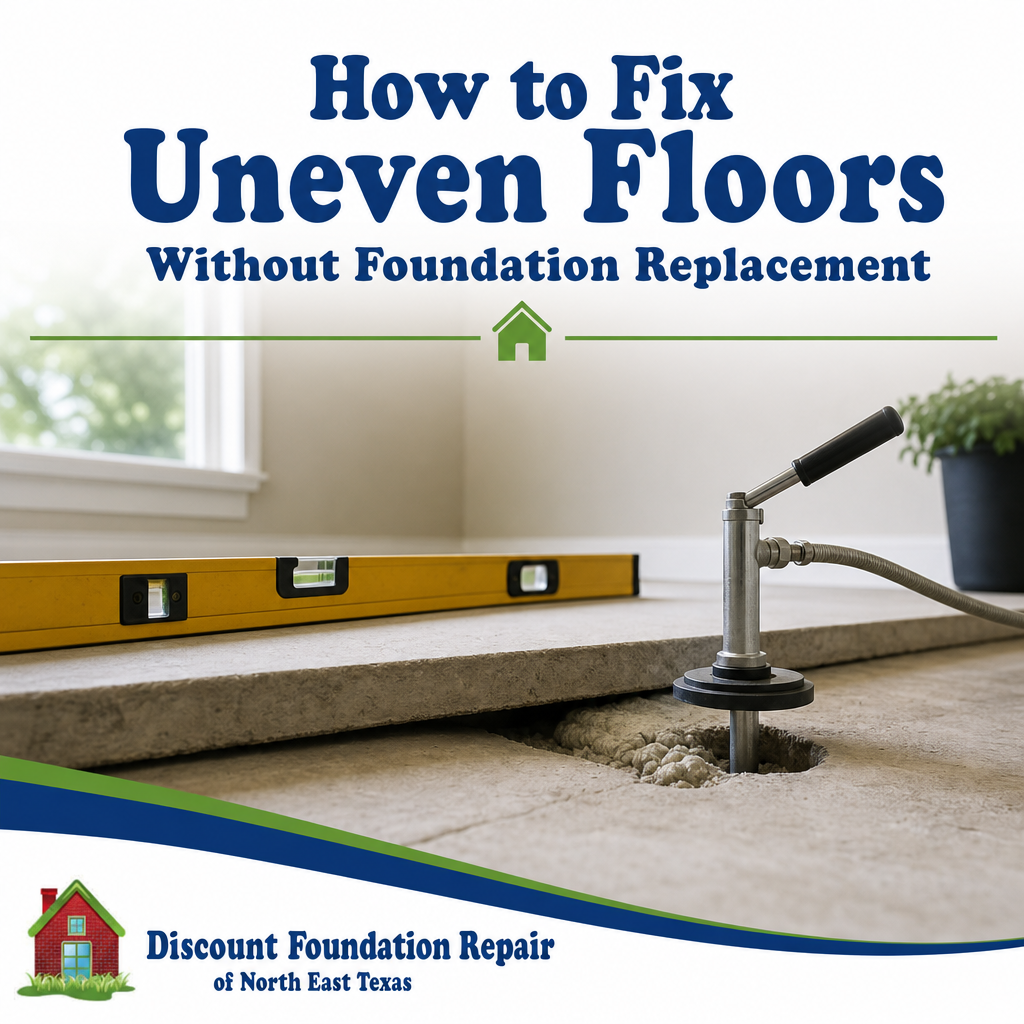
When one part of the home moves more than another, cracks often appear near windows, doors, ceiling corners, exterior brick, and concrete slabs. Doors may stick, floors may slope, and trim may separate from the wall. These symptoms often indicate that the foundation is no longer resting evenly.
Discount Foundation Repair evaluates soil-related movement carefully because the repair plan should match the cause. In some homes, foundation leveling or slab foundation repair may be needed. In others, drainage correction or moisture control may be the first step toward reducing future movement.
Drainage problems that lead to foundation cracks
Water is a major factor in foundation performance. When rainwater collects near the home instead of moving away, it can oversaturate the soil. Saturated soil becomes heavy and expansive, which may push against foundation walls or create uneven lift under a slab. When the soil dries again, it can shrink and allow the foundation to settle.
Poor drainage may come from clogged gutters, short downspouts, negative yard grading, low spots near the foundation, or hard surfaces that direct water toward the home. Even small drainage problems can become serious if they continue season after season.
Homeowners should watch for warning signs such as:
- Water pooling near the foundation after rain
- Soil pulling away from the slab during dry weather
- Cracks forming near exterior corners
- Damp crawl spaces or musty odors
- Erosion around piers, footings, or slab edges
- Repeated cracking after patching or cosmetic repairs
Drainage correction is often an important part of protecting long-term structural stability. Fixing cracks without addressing water problems may leave the cause unresolved.
Slab foundation cracks and concrete movement
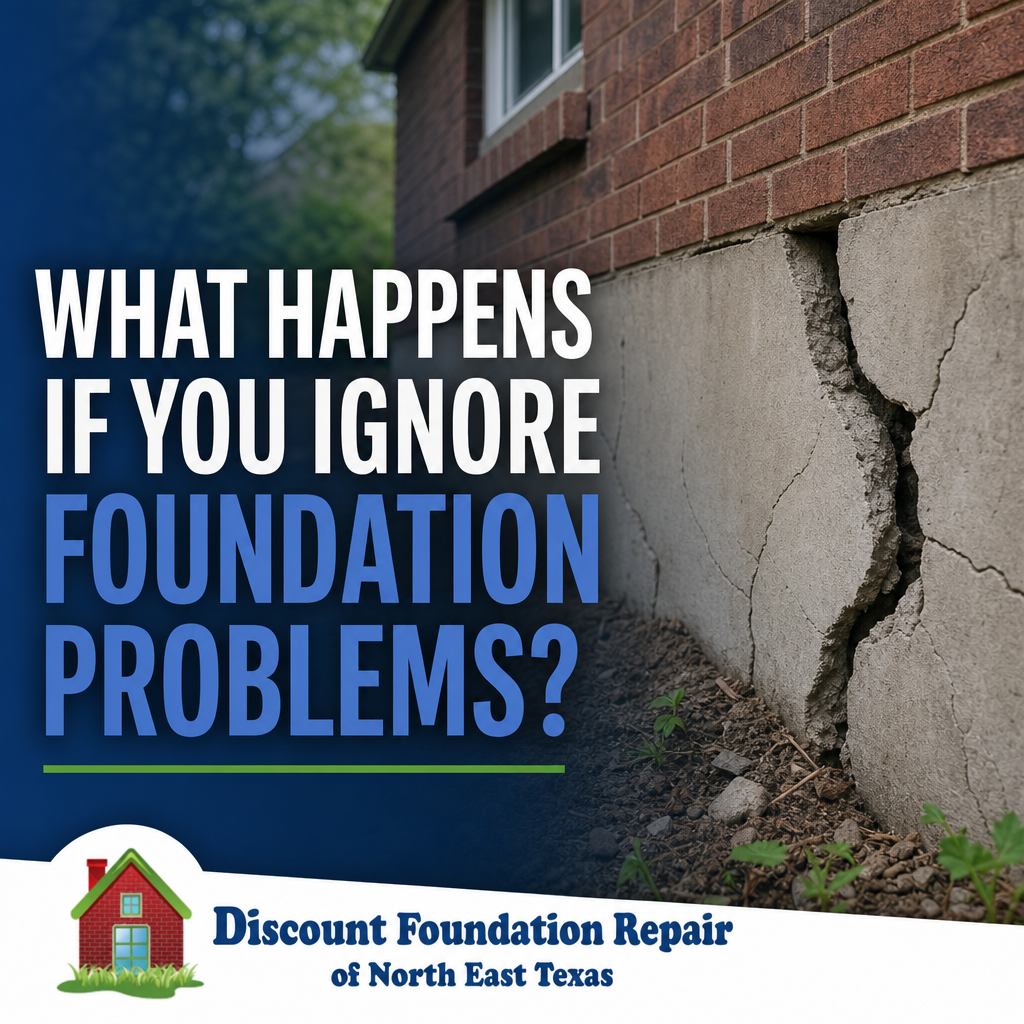
Concrete is strong, but it is not flexible. When a slab foundation shifts, settles, or experiences pressure from below, cracks may form across floors, garage slabs, patios, or interior finishes. Some concrete cracking is related to curing and shrinkage, but cracks that widen, become uneven, or align with interior wall damage may signal foundation movement.
Slab homes are especially sensitive to changing soil moisture. A plumbing leak beneath the slab can soften the soil and create voids. Drought can cause shrinkage. Poor compaction during construction may also lead to settlement years later. These conditions can create the need for slab foundation repair or slab leveling.
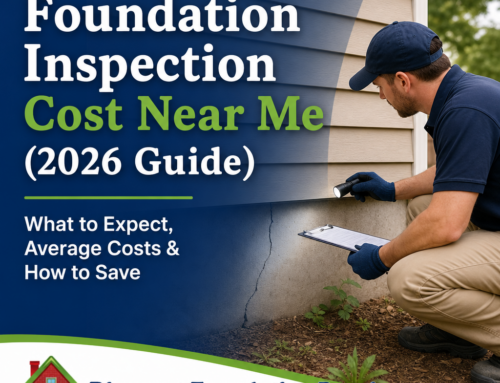
A professional evaluation helps determine whether the crack is limited to the surface or tied to deeper structural movement. Discount Foundation Repair checks interior and exterior symptoms, elevation changes, drainage patterns, and the overall condition of the foundation before recommending repairs.
Pier and beam foundation cracks and crawl space issues
Pier and beam homes can show cracks for different reasons than slab homes. Because the structure is supported by piers, beams, and joists, movement may occur when wood components weaken, piers settle, crawl spaces hold moisture, or soil shifts beneath individual supports.
Common signs include cracks in interior walls, bouncy floors, gaps around baseboards, sticking doors, and uneven rooms. Moisture in the crawl space can damage wood and reduce support. Soil erosion around piers can also leave parts of the home inadequately supported.
Pier and beam repair may involve adjusting supports, replacing damaged wood, stabilizing piers, improving crawl space ventilation, or correcting drainage around the home. The right repair depends on what is causing the movement. A careful inspection helps avoid unnecessary work while still addressing structural concerns.
Wall cracks around doors, windows, brick, and ceilings
The location and shape of a crack can provide clues about its cause. Vertical hairline cracks in drywall may be minor, especially in newer homes. Diagonal cracks extending from door or window corners often suggest movement or stress in the framing. Stair-step cracks in brick or block walls can indicate settlement.
Ceiling cracks may develop when framing shifts, roof loads transfer unevenly, or the foundation settles below load-bearing areas. Cracks that appear along with sloping floors, separating trim, or doors that no longer latch should not be ignored.
Exterior cracks are just as important. Brick veneer, stucco, and concrete block can show foundation movement before interior symptoms become severe. If cracks are spreading or multiple areas of the home are affected, scheduling a foundation inspection can help identify the source and limit additional damage.
Repair costs, home value, safety, and long-term foundation stability
Homeowners usually want clear answers about cost, safety, timelines, and the risk of damage getting worse. Foundation repair costs depend on the type of foundation, the severity of movement, drainage conditions, access to the affected area, and the repair method required. Minor crack repair or drainage correction may cost less than full house leveling or structural stabilization.
Delaying repairs can allow cracks to widen, flooring to separate, plumbing lines to stress, and doors or windows to become harder to use. Foundation movement may also affect real estate transactions, insurance discussions, and buyer confidence. Addressing the problem early can help protect home value and reduce the chance of more disruptive repairs later.
A trustworthy company should explain the findings clearly, provide practical options, and avoid scare tactics. Discount Foundation Repair focuses on honest evaluations, fair recommendations, experienced crews, and dependable workmanship for residential and commercial properties. Whether the issue calls for house leveling, slab leveling, crack repair, or drainage improvements, the goal is long-term structural stability based on the property’s actual condition.
Get the help you need for cracks in walls and foundations
Get the help you need when cracks in walls and foundations start raising concerns about settlement, drainage, or structural movement. Discount Foundation Repair provides thorough inspections, clear explanations, and repair options designed around the needs of your home or commercial property.
Our team evaluates slab foundations, pier and beam homes, wall cracks, drainage problems, and signs of uneven movement. If repair is needed, we can discuss practical solutions such as foundation leveling, slab foundation repair, pier and beam repair, drainage correction, structural stabilization, and related services.
Cracks do not always mean major damage, but they should be taken seriously. A professional assessment gives you reliable information and helps you make a confident decision. Contact Discount Foundation Repair to schedule an inspection and protect your property from worsening foundation damage.