Are you wondering about Sloping Floors in a House: What It Means and whether Discount Foundation Repair can help protect your home from structural damage before the problem gets worse?
Sloping floors often mean that part of your home has moved, settled, weakened, or shifted out of level. Sometimes the issue is minor and related to normal aging. Other times, it points to foundation settlement, pier and beam movement, slab problems, moisture damage, drainage issues, or structural framing concerns. The safest first step is a professional inspection so you understand what is causing the slope and what repair options fit your property.
What sloping floors in a house can tell you about foundation movement
A floor that dips, leans, or feels uneven underfoot is often a visible sign of movement below the surface. Homes naturally settle over time, but noticeable slopes may indicate that the foundation is no longer supporting the structure evenly. This can happen with slab foundations, pier and beam homes, crawl space structures, and older houses with shifting soil conditions.
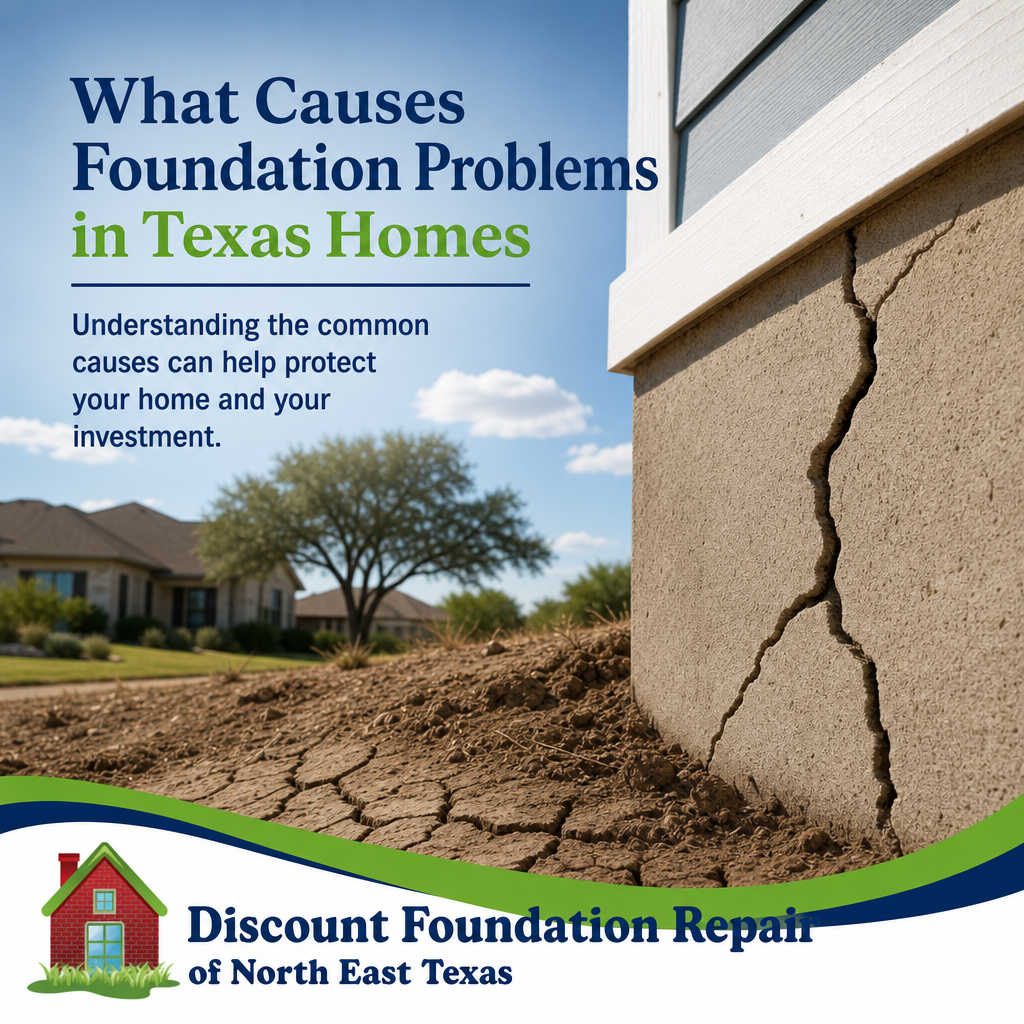
In many cases, sloping floors in a house are connected to soil expansion, soil shrinkage, poor drainage, deteriorated supports, or settlement beneath load-bearing areas. When one section of the home moves differently than another, floors may begin to tilt, door frames may shift, and cracks may appear in walls, ceilings, tile, or brick.
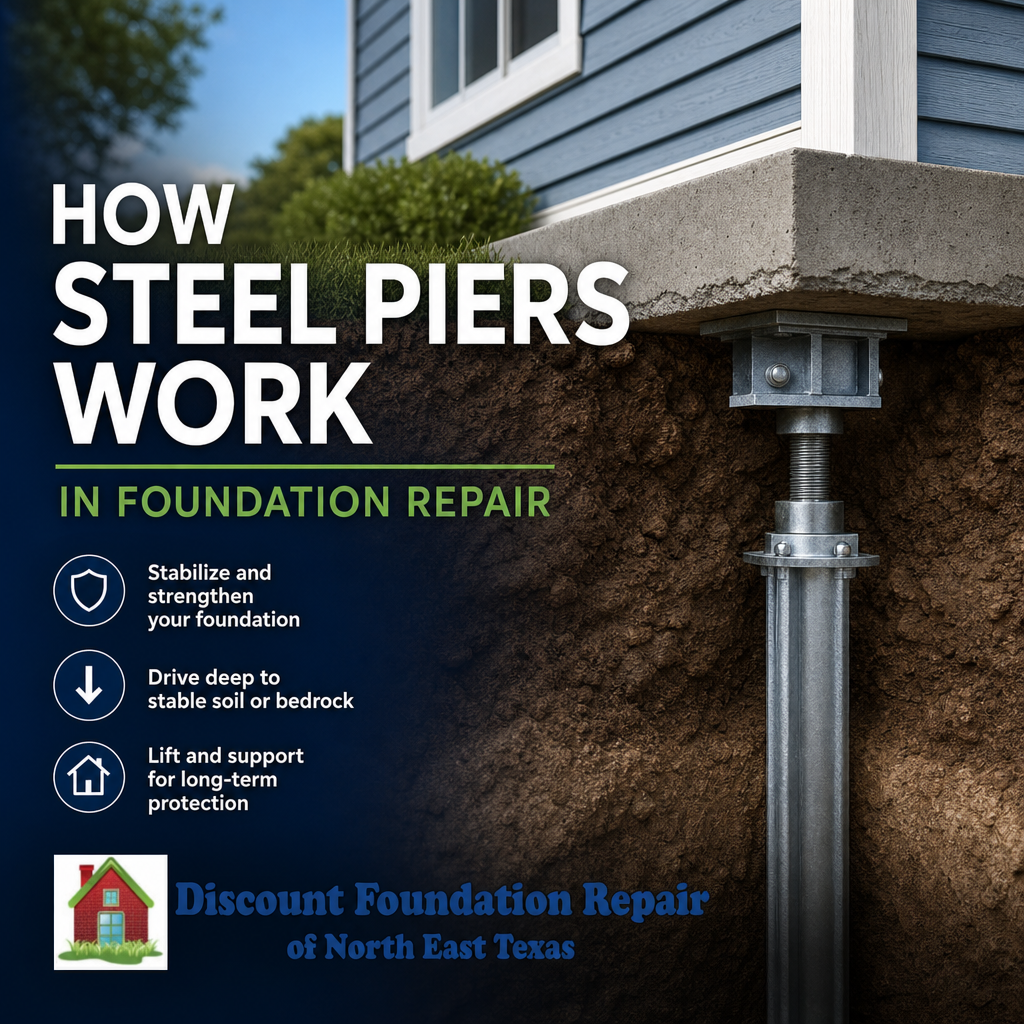
Discount Foundation Repair looks at the full structural picture, not just the floor surface. An honest inspection may include checking elevation changes, visible cracks, support conditions, drainage patterns, and signs of ongoing movement. This helps determine whether the home may need foundation repair, foundation leveling, pier adjustments, drainage correction, or another practical solution.
Common causes of uneven floors and structural settlement
Uneven floors can develop from several sources, and the right repair depends on the cause. In slab homes, soil movement under the concrete can create low spots or sections that settle unevenly. This may lead to cracks in the slab, gaps at baseboards, sticking doors, and floor surfaces that feel out of level.
In pier and beam homes, sloping floors may come from weakened beams, settling piers, moisture-damaged wood, crawl space drainage problems, or inadequate support spacing. Pier and beam repair may involve adjusting supports, replacing damaged components, improving load distribution, or addressing moisture that contributed to deterioration.
Drainage is another major factor. When water collects near the foundation, soil can soften, expand, wash out, or place added pressure against the structure. Over time, this may contribute to settlement, floor movement, and foundation cracks. That is one reason Discount Foundation Repair considers drainage correction as part of long-term structural stability.
Warning signs that sloped floors may need a foundation inspection
Not every uneven floor means major structural damage, but certain signs should not be ignored. If the slope is new, getting worse, or paired with other symptoms, scheduling a foundation inspection can help prevent larger repair needs later.
Watch for these warning signs:
- Doors or windows that stick, drag, or will not latch properly
- Cracks in drywall, brick, ceilings, tile, or exterior walls
- Gaps between walls, floors, trim, or cabinets
- Floors that feel soft, bouncy, sagging, or noticeably tilted
- Cracks in a concrete slab or separation around the foundation
- Water pooling near the home after rain
- Crawl space moisture, wood rot, or shifting supports
These symptoms can point to foundation settlement, framing stress, or soil-related movement. A professional evaluation gives homeowners clearer answers before choosing slab foundation repair, house leveling, crack repair, or structural stabilization.
Slab foundation issues versus pier and beam floor slope problems
Slab foundation problems often show up as tile cracks, uneven flooring, diagonal wall cracks, or doors that no longer fit squarely in the frame. Since the concrete slab supports the home, movement underneath it can affect several rooms at once. Depending on the condition, slab leveling or targeted stabilization may help restore better support.
Pier and beam homes behave differently. The floor system sits above a crawl space with piers, beams, joists, and other supports. Sloping may occur when piers settle, beams deteriorate, or moisture weakens wood components. This type of home often allows crews to access the support system more directly, but the repair still needs to match the actual condition underneath.
Discount Foundation Repair provides residential and commercial foundation services, so our crews understand that each property has different structural demands. A small home, rental property, office building, or commercial structure may require a different approach based on soil, load, access, age, and the extent of movement.
Foundation repair costs, timelines, home value, and long-term stability
Homeowners usually want to know how serious the problem is, what it may cost, how long repairs may take, and whether the issue could affect resale value. Those are fair concerns. Sloping floors can make buyers nervous, reduce confidence during inspections, and lead to additional damage if movement continues unchecked.
Repair costs depend on the cause, foundation type, severity of settlement, drainage conditions, access, materials, and the amount of leveling or stabilization needed. A minor adjustment in a pier and beam home may be very different from a larger slab foundation repair project involving multiple support points. Timelines also vary, but an inspection can give you a practical explanation of the recommended work.
Long-term stability is not just about lifting a low area. It also means addressing contributing factors such as water near the foundation, poor grading, plumbing leaks, soil movement, or damaged supports. Choosing the right foundation repair company matters because a rushed or incomplete repair can leave important issues unresolved.
When you need help with sloping floors in your house
When you need clear answers about sloping floors, Discount Foundation Repair can inspect your property, explain what may be causing the movement, and recommend repair options based on the actual condition of your home or building. Our goal is to help protect your safety, property value, and long-term structural stability with dependable workmanship and honest guidance.
If your floors are sloping, sagging, cracking, or getting worse, do not wait for the damage to spread. Contact Discount Foundation Repair to schedule a foundation inspection and get a practical estimate for house leveling, drainage correction, crack repair, foundation leveling, or structural stabilization.