Wondering what foundation repair before and after really looks like and how Discount Foundation Repair can help protect your home from structural damage, uneven floors, wall cracks, and long-term foundation movement?
Foundation repair before and after is not just about closing cracks or making a floor feel level again. It is about understanding what caused the movement, choosing the right repair method, correcting contributing issues when needed, and helping your home regain better structural support. Homeowners often want to know what will change, how disruptive repairs may be, what signs may improve, and what to expect after the crew leaves. Discount Foundation Repair provides honest evaluations, practical repair options, and dependable workmanship for residential and commercial properties.
What happens during a foundation inspection before repairs begin
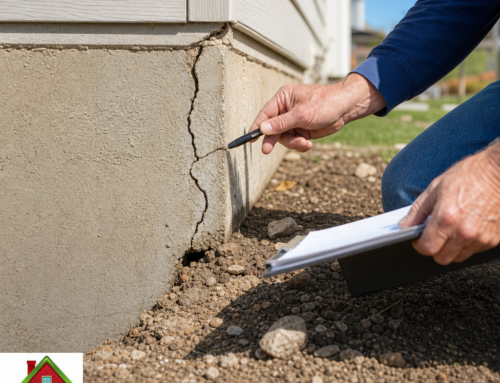
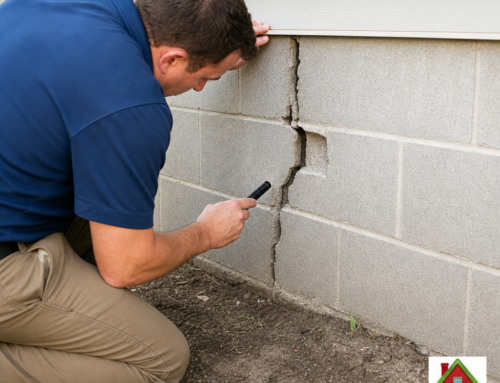
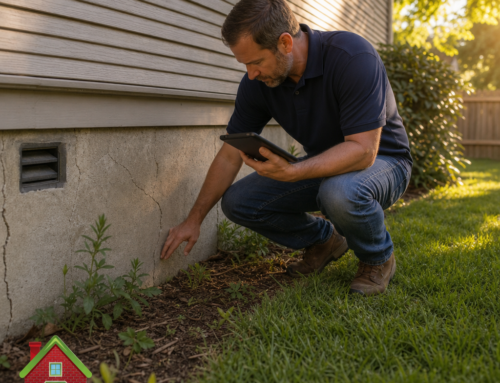
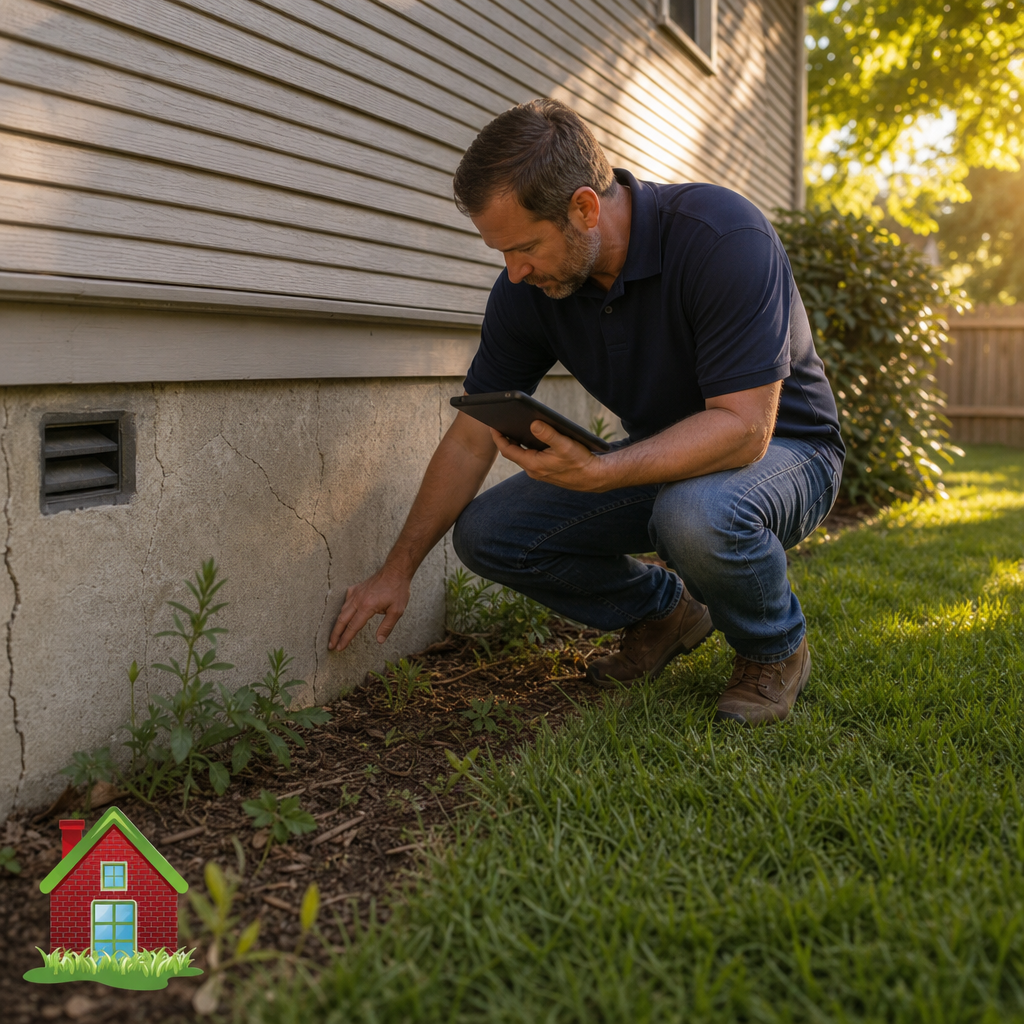
A proper repair plan starts with a detailed foundation inspection. Before any foundation repair work is recommended, the property should be reviewed for visible damage, floor elevation changes, drainage conditions, soil movement, and structural stress. This helps determine whether the issue is related to settlement, moisture changes, poor drainage, aging materials, plumbing leaks, or a combination of factors.
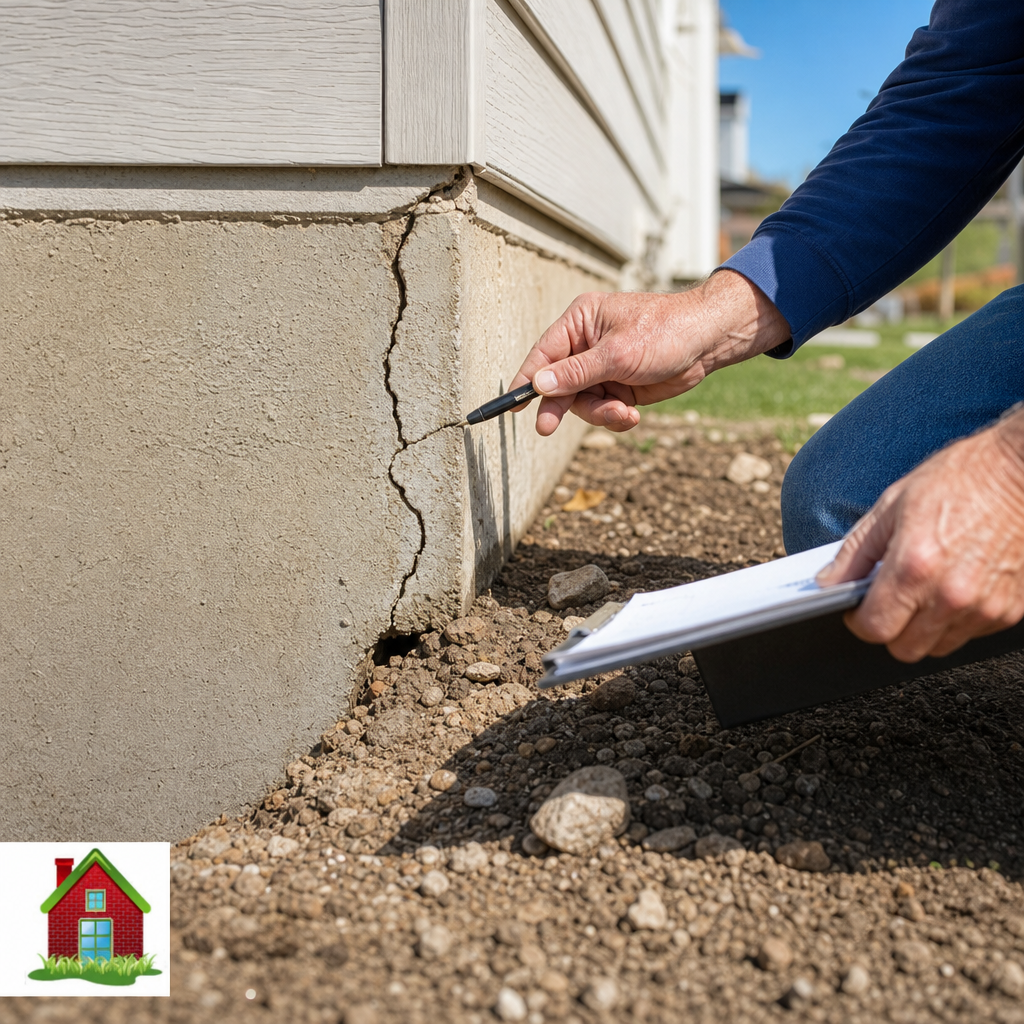
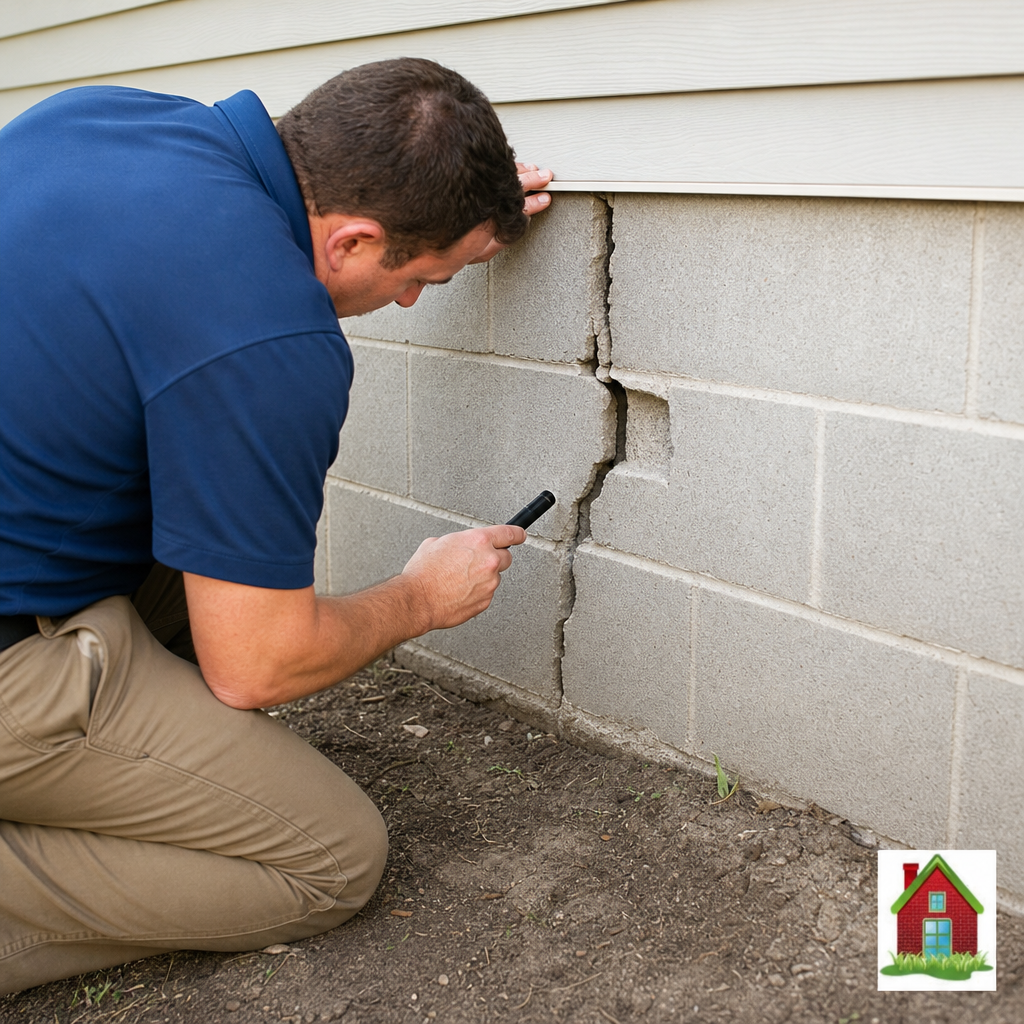
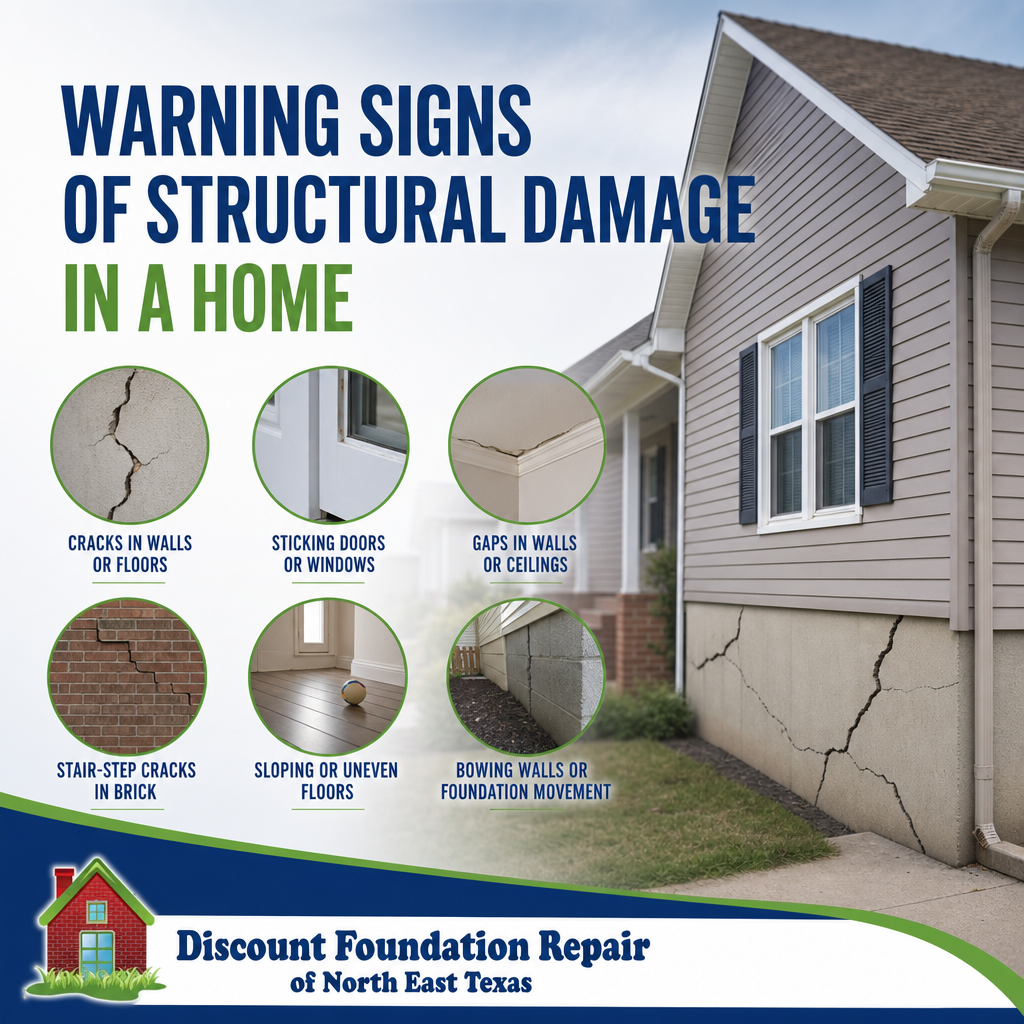
During the inspection, technicians may look for wall cracks, sticking doors, uneven floors, gaps around trim, separation near windows, brick cracks, slab cracks, and crawl space problems. For pier and beam homes, the evaluation may include checking beams, joists, piers, moisture levels, and signs of wood deterioration. For slab homes, the focus is often on elevation differences, crack patterns, soil conditions, and exterior drainage.
The “before” stage is important because no two foundation problems are exactly the same. Discount Foundation Repair focuses on honest foundation evaluations and repair recommendations based on the property’s condition instead of using a one-size-fits-all approach.
Common before signs that show foundation settlement or structural movement
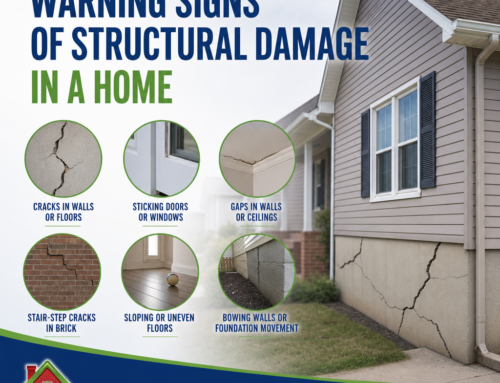
Many homeowners call for help after noticing small issues that gradually become harder to ignore. Foundation damage can show up inside and outside the home, and the visible symptoms may not always point directly to the source of the problem. That is one reason professional foundation inspections are so valuable.
Common before-repair warning signs include:
- Interior drywall cracks near doors, windows, or ceilings
- Stair-step cracks in brick or exterior masonry
- Doors and windows that stick, drag, or no longer latch correctly
- Sloping, uneven, or soft floors
- Gaps between walls, ceilings, floors, or cabinets
- Cracks in tile, concrete, or the slab surface
- Water pooling around the foundation after rain
- Crawl space moisture, sagging floors, or shifting supports
These signs can worsen when soil expands and contracts due to moisture changes. Poor drainage, leaking gutters, improper grading, and plumbing issues can all contribute to foundation movement. Addressing the structural issue without considering water and soil conditions may leave the home exposed to future movement.
What foundation repair looks like during the repair process
Once the inspection is complete and the repair plan is approved, the crew prepares the work areas. Depending on the property, this may involve accessing the crawl space, preparing areas around the foundation perimeter, installing support systems, or working near affected sections of the slab. Good communication matters, especially when homeowners want to know which areas of the property may be temporarily affected.
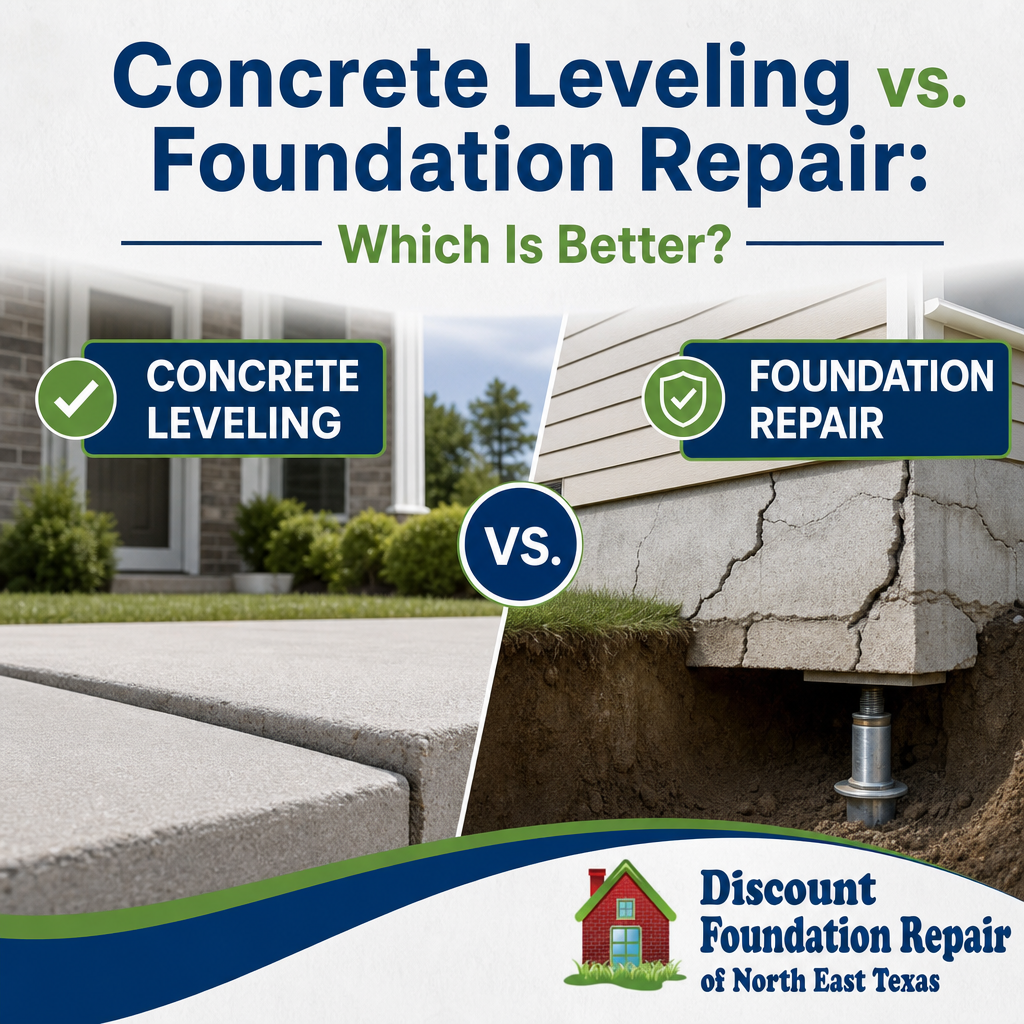
For slab foundation repair, crews may use piers or other stabilization methods to support settled areas and improve structural alignment. The exact method depends on soil conditions, foundation design, severity of settlement, and accessibility. The goal is to improve support, reduce ongoing movement, and help return the structure closer to a stable position when conditions allow.
For pier and beam repair, the work may include adjusting or replacing piers, repairing beams, adding supports, addressing damaged wood, or improving crawl space conditions. In some cases, house leveling may be part of the repair plan to address sagging or uneven areas. Experienced crews take care to make measured adjustments because forcing a structure too quickly can create additional stress.
Foundation repair before and after results homeowners can expect
After foundation work is completed, homeowners often notice that floors feel more stable, doors and windows operate better, and visible cracks may stop spreading. In some cases, gaps may narrow, trim may align better, and sloped areas may feel less severe. The amount of visible improvement depends on the age of the home, the amount of movement, building materials, and how long the damage existed before repairs began.
It is important to have realistic expectations. Foundation repair is designed to improve support and stability, not make every cosmetic flaw disappear automatically. Drywall cracks, brick cracks, tile damage, trim separation, or flooring issues may still need cosmetic repair after the structure has been stabilized. Many homeowners wait a short period after structural work before scheduling cosmetic repairs so the home can settle into its adjusted position.
A good “after” result also includes a better understanding of the factors that caused the problem. Discount Foundation Repair may discuss drainage correction, grading, moisture control, or maintenance steps that help reduce stress on the foundation over time.
Drainage correction and soil movement after foundation repairs
Foundation performance is closely tied to soil moisture. Expansive soils can swell when wet and shrink during dry conditions, creating pressure changes around the home. If water continues to collect near the foundation after repairs, the structure may remain vulnerable to ongoing stress.
That is where drainage correction becomes an important part of long-term property protection. Solutions may include improving grading, extending downspouts, redirecting runoff, managing low spots, or recommending drainage improvements based on the site. Not every home needs the same drainage work, but every foundation benefits from better moisture control.
After repairs, homeowners should monitor how water moves during heavy rain. Standing water near the slab, erosion around the perimeter, or soggy crawl space conditions should be addressed promptly. Foundation repair and drainage planning work together to support long-term structural stability.
What homeowners should know about repair cost, timelines, safety, and home value
Homeowners care about cost, disruption, property value, safety, and whether the repair plan makes sense. Foundation repair pricing depends on the type of foundation, severity of movement, number of supports needed, access conditions, soil behavior, drainage problems, and whether additional structural or crawl space repairs are required. A minor crack repair will not cost the same as a larger stabilization or leveling project.
Timelines also vary. Some repairs can be completed quickly, while more involved projects may take longer due to excavation, pier installation, crawl space work, concrete access, or weather conditions. A dependable company should explain the expected schedule, areas affected, and what the homeowner can do to prepare.
Structural safety is another major concern. Foundation movement can affect framing, masonry, floors, plumbing, and overall comfort inside the home. Timely repairs can help prevent worsening structural damage and protect home value, especially before selling, refinancing, or making major renovations. Choosing the right foundation repair company means looking for clear communication, experienced crews, practical recommendations, fair pricing, and a willingness to explain both the repair and the cause of the movement.
When you need foundation repair before and after guidance from a dependable local team
When you need clear answers about foundation repair before and after, Discount Foundation Repair is ready to help with honest evaluations, practical repair options, and experienced workmanship. Our team works with homeowners, property managers, real estate professionals, and commercial property owners who need dependable support for structural movement, slab issues, pier and beam problems, drainage concerns, and crack repair.
From the first inspection to the final walkthrough, the goal is to help you understand what is happening, what repair options fit your property, and how to protect your investment moving forward. If you have cracks, uneven floors, sticking doors, or concerns about foundation settlement, scheduling an inspection is the best next step. Discount Foundation Repair can help you move from uncertainty to a clear repair plan built around stability, safety, and long-term property protection.