Do foundation problems affect home value, and could hidden structural movement make your home harder to sell or refinance? Discount Foundation Repair helps homeowners identify foundation damage early and choose practical repairs that protect safety, value, and long-term stability.
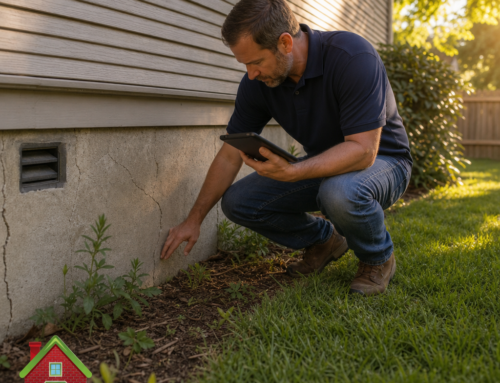
Yes, foundation problems can affect home value because buyers, lenders, inspectors, and appraisers take structural issues seriously. Cracks, uneven floors, sticking doors, drainage problems, and slab movement can raise concerns about repair costs and future damage. The good news is that a professional inspection and the right repair plan can help you understand the severity of the problem, protect your property, and make informed decisions before the issue becomes more expensive.
How foundation problems lower home value during a sale
Foundation damage can reduce buyer confidence quickly. Even if the home looks attractive, visible cracks or sloping floors may cause buyers to wonder whether the property is safe, stable, or worth the asking price. Many buyers either walk away, ask for a lower price, or request that foundation repairs be completed before closing.
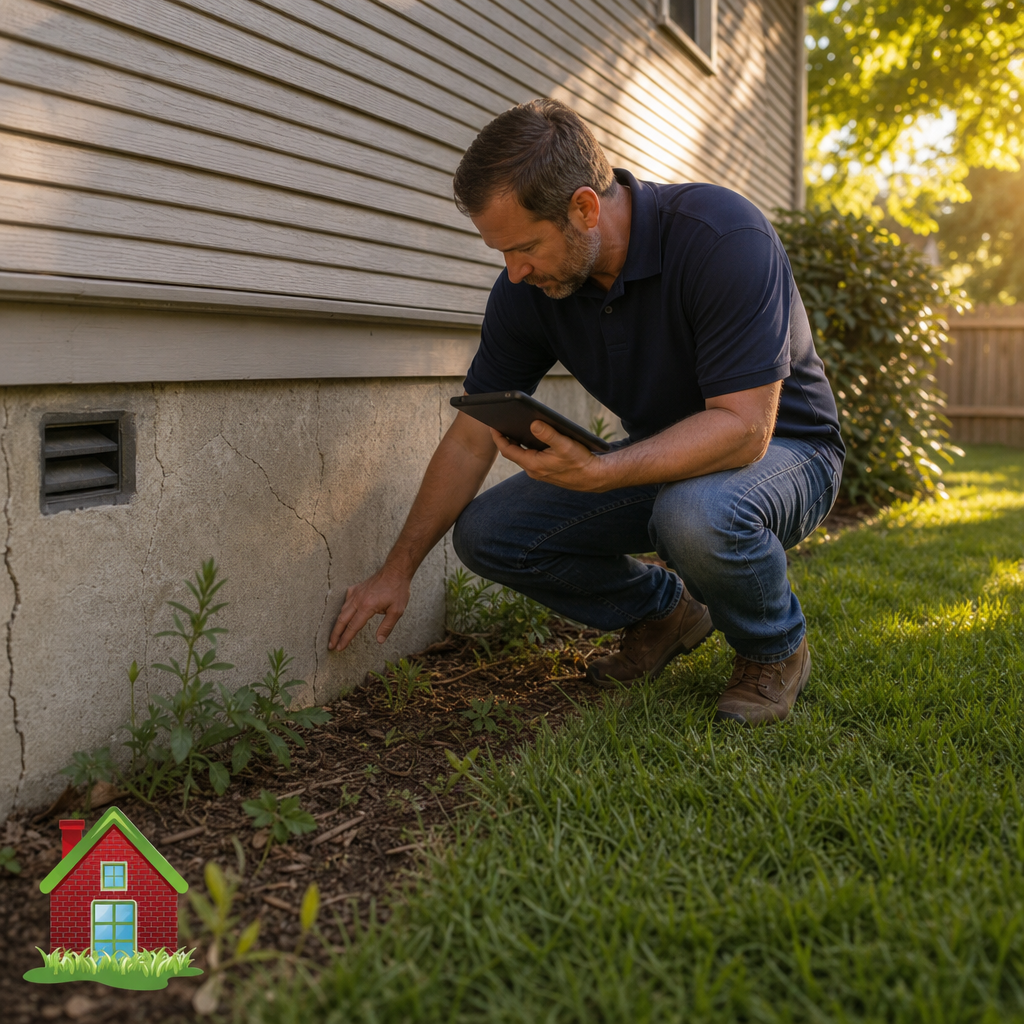
A home inspection report that mentions structural movement can also affect negotiations. Buyers may request a licensed foundation evaluation, repair estimate, or proof that previous work was completed properly. This is where an honest assessment from Discount Foundation Repair can help homeowners understand whether they need foundation repair, drainage correction, crack repair, or more extensive structural stabilization.
Common foundation issues buyers and inspectors notice
Some foundation concerns are easy to spot, while others develop slowly over time. Homeowners may get used to small cracks or doors that stick, but inspectors are trained to recognize patterns that may point to soil movement, slab settlement, or pier and beam issues.
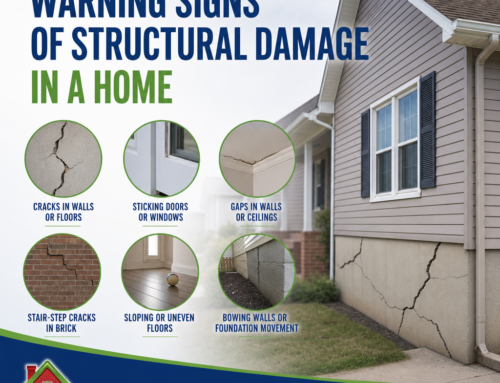
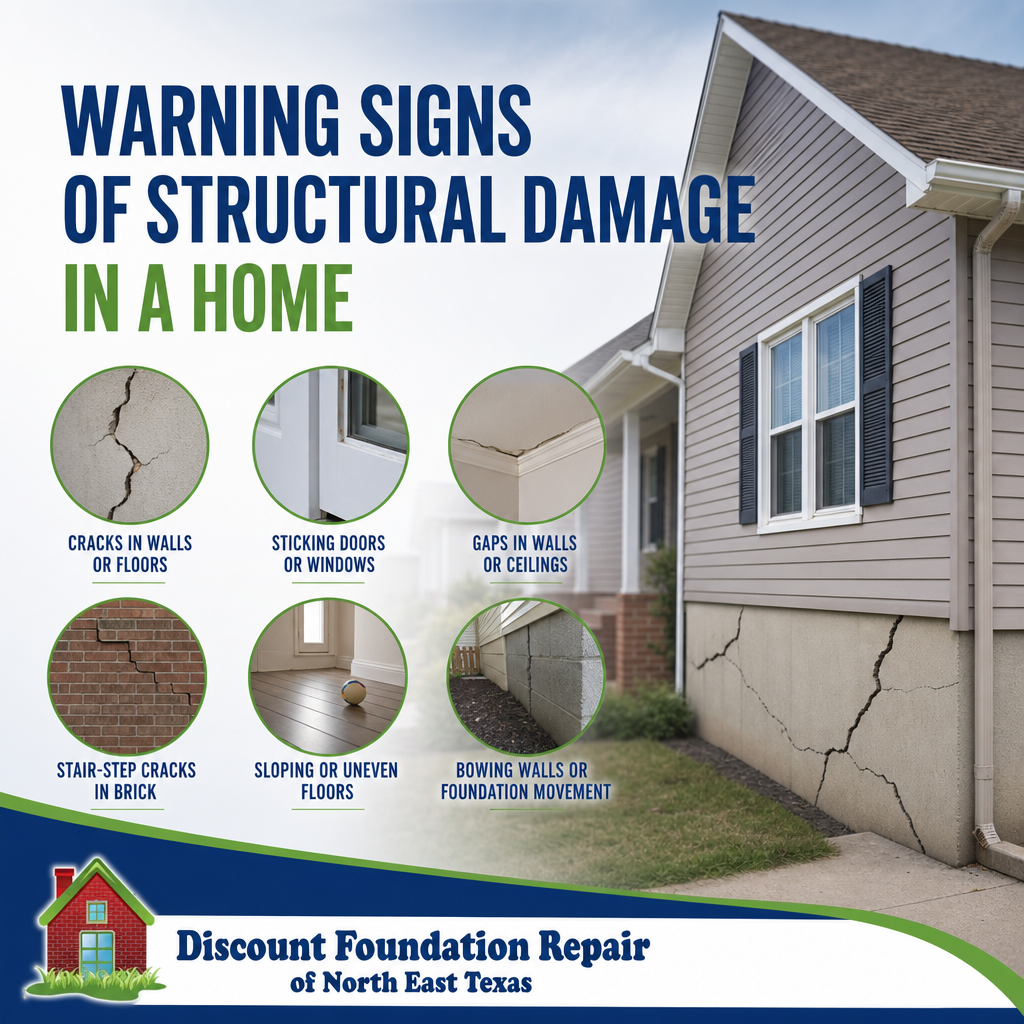
Warning signs that may affect home value include:
- Cracks in brick, drywall, tile, or exterior siding
- Uneven or sloping floors
- Doors and windows that stick or fail to latch
- Gaps around trim, walls, or garage doors
- Water pooling near the foundation
- Separation between walls, ceilings, or cabinets
- Bouncy floors in pier and beam homes
- Previous patchwork without structural correction
These signs do not always mean the home needs major repairs, but they should not be ignored. A professional foundation inspection can identify whether the issue is cosmetic, moisture-related, or connected to active movement.
How slab foundation repair protects property value
Homes with concrete slabs are common, and slab movement can happen when soil expands, shrinks, erodes, or loses support. Plumbing leaks, poor drainage, tree roots, and seasonal moisture changes can all contribute to settlement or cracking. If left untreated, slab movement may lead to damaged flooring, wall cracks, and misaligned framing.
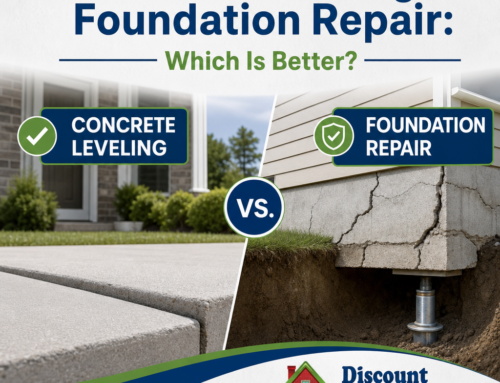
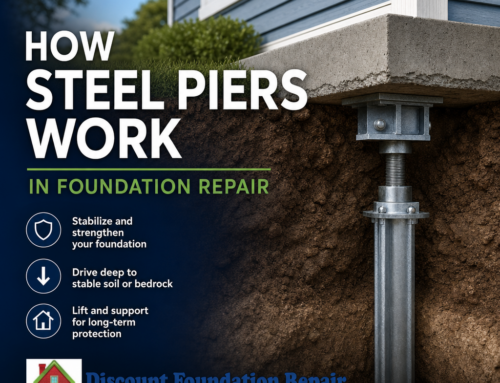
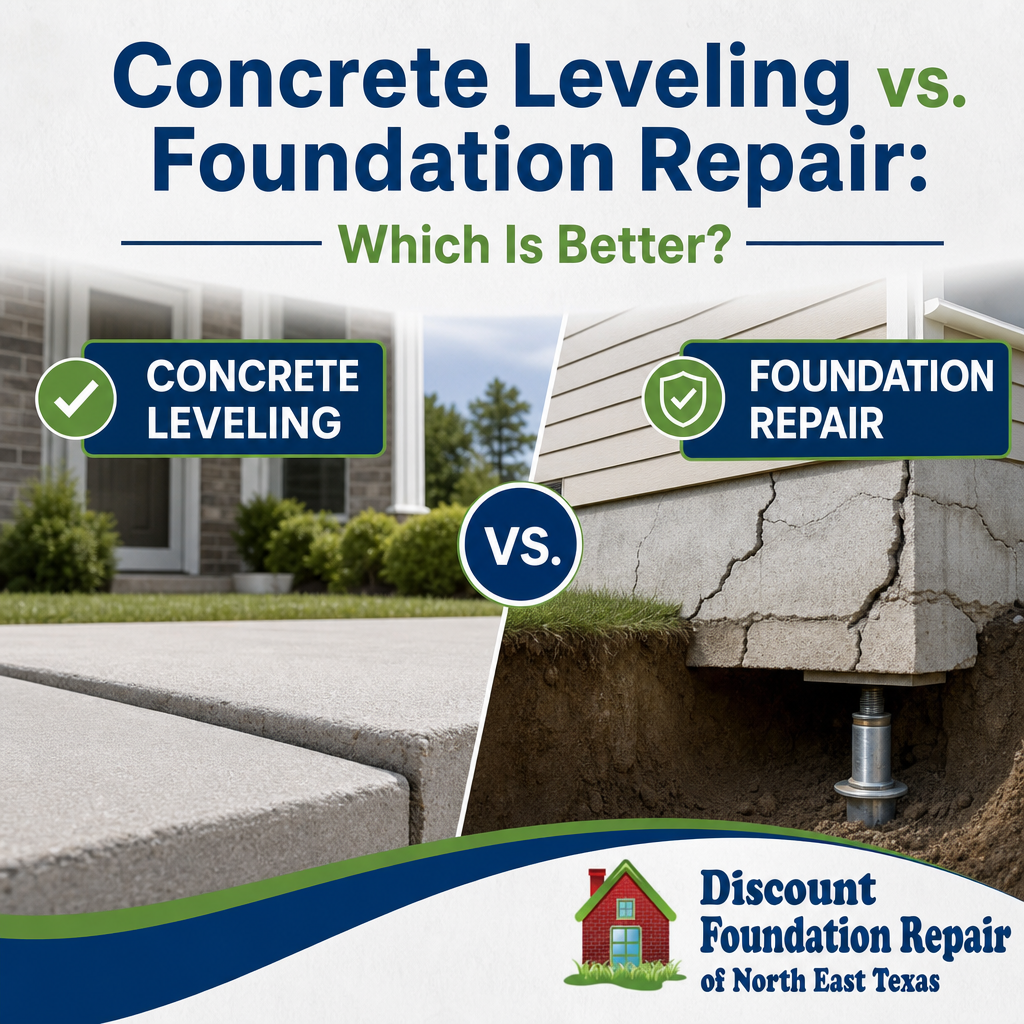
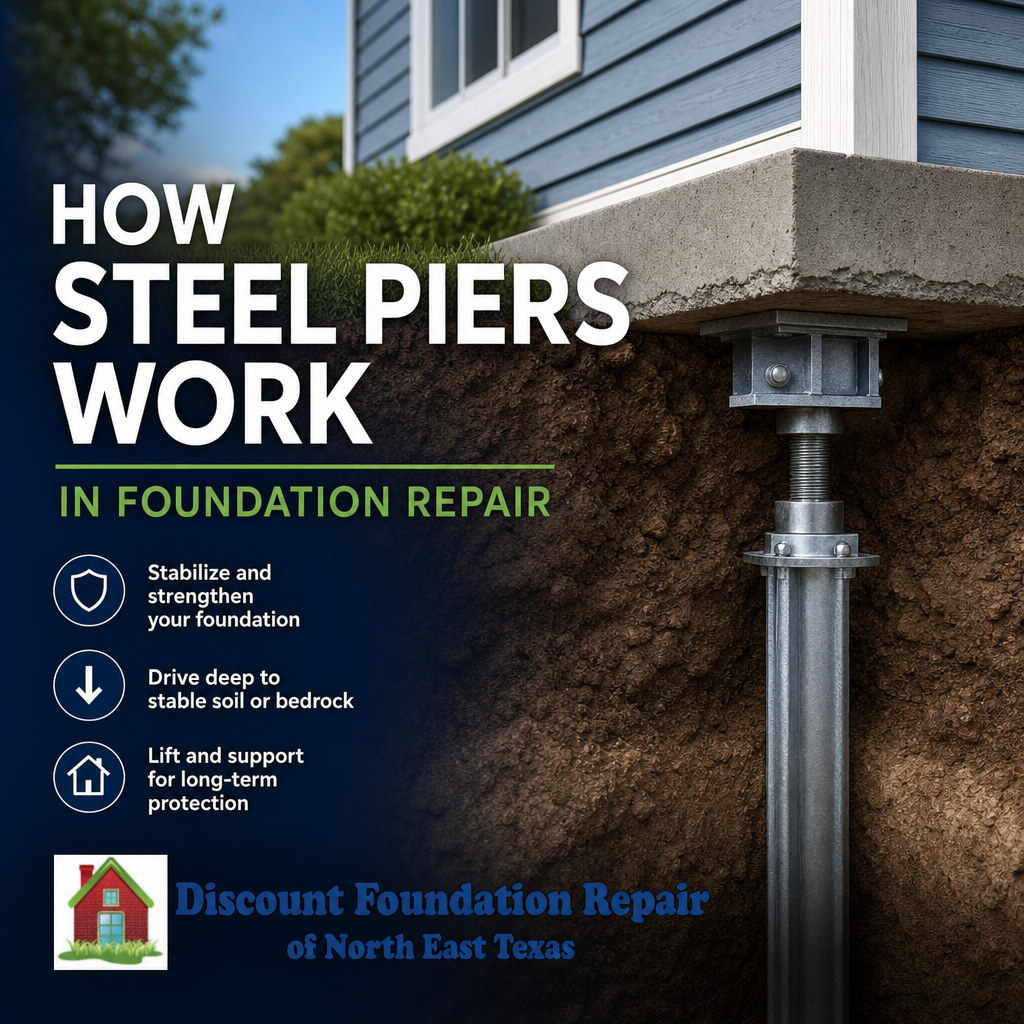
Slab foundation repair is designed to stabilize the affected areas based on the condition of the property. Depending on the inspection findings, repair options may include piers, slab leveling, crack repair, drainage correction, or other structural solutions. Discount Foundation Repair focuses on repair recommendations that fit the actual problem rather than using a one-size-fits-all approach.
Pier and beam foundation problems and resale concerns
Pier and beam homes can experience sagging floors, wood deterioration, shifting supports, moisture damage, or poor ventilation beneath the home. These issues can be especially concerning to buyers because crawl space problems are often hidden until an inspection reveals them.
Professional pier and beam repair may include adjusting supports, replacing damaged components, improving load distribution, or addressing moisture-related concerns. Since these homes often depend on proper airflow and stable support systems, drainage and water control are important parts of protecting the structure. Repairing pier and beam problems before listing a home can make the sales process smoother and reduce last-minute negotiation stress.
Drainage problems, soil movement, and foundation damage
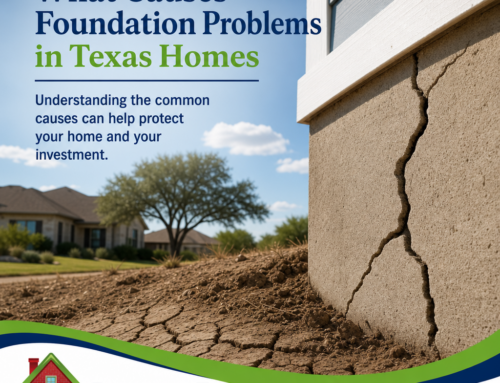
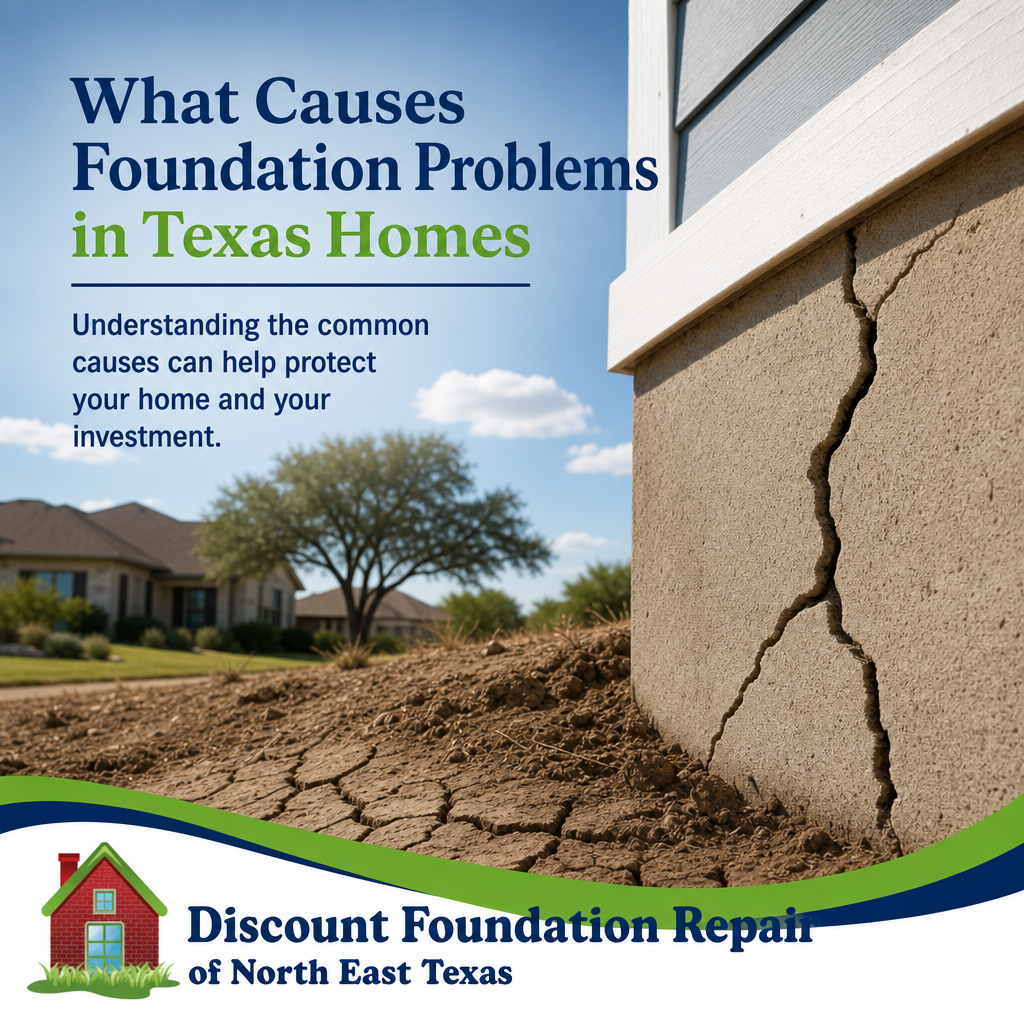
Many foundation issues are connected to water. When soil around a home becomes too wet, it can expand and push against the foundation. When it dries out, it can shrink and leave voids beneath the structure. Over time, this cycle can cause settlement, cracks, and uneven floors.
Drainage correction may include grading improvements, gutter extensions, surface drains, French drains, or other water-management solutions. These repairs help reduce ongoing stress on the foundation. While drainage work alone may not correct existing structural movement, it can support long-term stability when combined with appropriate house leveling or foundation stabilization.
Can you sell a house with foundation problems?
Yes, you can sell a house with foundation problems, but disclosure laws, buyer expectations, and financing requirements can affect the process. Some buyers may accept the home as-is if the price reflects the needed work. Others may require repairs before closing, especially if the foundation issue affects safety, habitability, or loan approval.
Having a foundation inspection before listing gives you more control. Instead of waiting for a buyer’s inspector to discover the issue, you can understand the condition of the property, gather repair estimates, and decide whether to complete repairs or disclose the findings. A clear repair plan from Discount Foundation Repair can also help real estate professionals explain the situation more confidently to potential buyers.
Foundation repair costs, home safety, timelines, and long-term value
Homeowners usually care most about cost, safety, property value, repair timelines, and whether the problem will get worse. Foundation repair costs can vary based on the type of foundation, severity of movement, soil conditions, drainage concerns, access to the damaged areas, and the repair method needed. Minor crack repair or drainage improvements may cost less than extensive foundation leveling or structural stabilization.
Delaying repairs can allow damage to spread into flooring, framing, plumbing, windows, masonry, and interior finishes. That can increase costs and make the home harder to sell later. A timely foundation inspection helps determine whether immediate repair is needed or if the issue can be monitored.
Choosing the right foundation repair company matters. Homeowners should look for clear communication, practical recommendations, experienced crews, and repair options based on the property’s condition. Discount Foundation Repair provides honest evaluations for residential and commercial properties, helping customers understand both the structural concern and the steps that may protect long-term value.
Get the help you need before foundation damage affects your home value
Get the help you need from Discount Foundation Repair if you are concerned about cracks, uneven floors, slab movement, drainage problems, or resale value. Our team provides dependable inspections, practical repair recommendations, and experienced workmanship for homeowners, property managers, and real estate professionals.
Whether you need foundation leveling, slab leveling, crack repair, drainage correction, pier and beam repair, or commercial foundation services, we can help you make a confident decision. Addressing foundation problems early can protect your home’s safety, reduce the risk of worsening damage, and support stronger property value when it is time to sell, refinance, or plan future improvements.