How often should you schedule a foundation inspection if you want to protect your home from costly structural damage? Discount Foundation Repair helps homeowners spot early movement, evaluate soil and drainage concerns, and choose practical repair options before problems get worse.
Most homeowners should visually inspect their foundation at least twice a year and schedule a professional foundation inspection any time warning signs appear. Seasonal soil movement, poor drainage, plumbing leaks, drought conditions, and normal settling can all affect the way a home sits over time. Regular inspections help catch small cracks, uneven floors, sticking doors, and exterior gaps before they become larger structural concerns.
How often homeowners should inspect slab and pier and beam foundations
A good rule is to check your foundation once in the spring and once in the fall. These seasonal checks allow you to see how your home reacts after periods of heavy rain, dry weather, heat, or changing soil moisture. Expansive clay soil, common in many areas, can swell when wet and shrink during dry periods, placing stress on slab and pier and beam foundations.
If your home has a concrete slab, look closely at cracks in the brick, sheetrock, tile, and exterior foundation edge. Slab movement can show up as separation around windows, uneven flooring, or gaps between walls and trim. Homes with crawl spaces or pier and beam systems may show signs such as bouncy floors, sagging areas, wood deterioration, or moisture problems beneath the structure.
Older homes, properties with past foundation work, and houses built on sloped lots may need more frequent attention. If you already know your property has drainage issues or shifting soil, a yearly professional evaluation can help you stay ahead of damage.
Foundation warning signs that call for an inspection soon
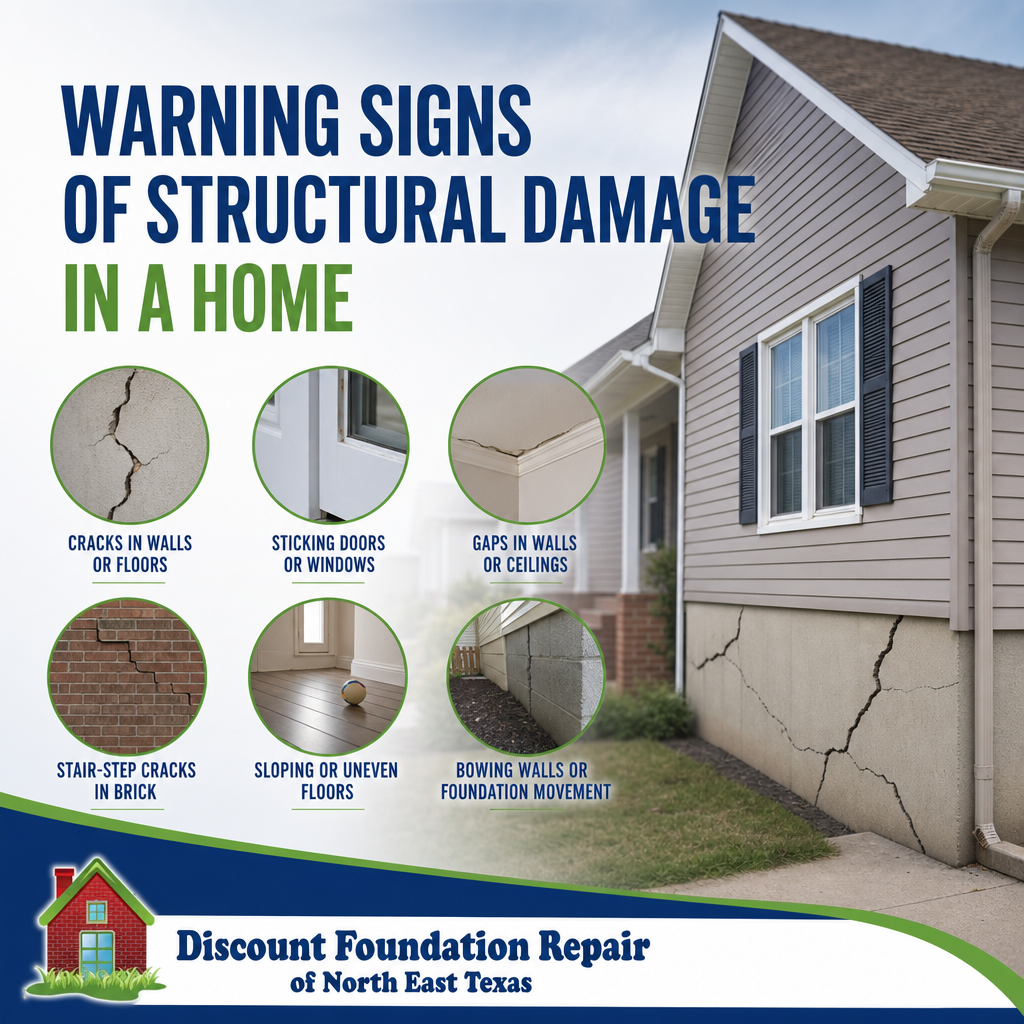
Some foundation problems develop slowly, but the signs are often visible if you know what to look for. A quick walk around the inside and outside of your home can reveal changes that deserve attention. You do not need to diagnose the issue yourself; you only need to notice when something looks different.
Common warning signs include:
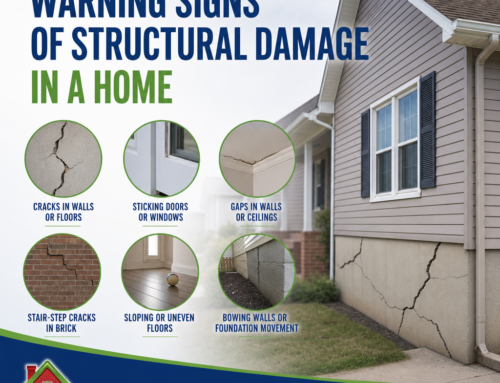
- Cracks in interior drywall, especially above doors or windows
- Stair-step cracks in brick or masonry
- Doors and windows that stick, drag, or no longer latch properly
- Sloping, uneven, or soft-feeling floors
- Gaps between walls, ceilings, trim, or cabinets
- Cracks in tile, concrete patios, garage floors, or walkways
- Water pooling near the foundation after rain
- Crawl space moisture, wood rot, or musty odors
- Chimney separation or exterior wall movement
If you notice more than one of these issues, it is smart to schedule an inspection. Many symptoms can be related to normal wear, framing movement, moisture, or foundation settlement, so an honest evaluation helps separate minor cosmetic concerns from structural movement that may need foundation repair.
Seasonal soil movement and drainage problems near your foundation
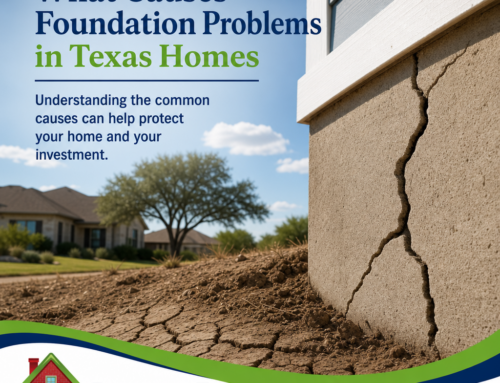
Soil moisture has a major impact on foundation performance. When soil becomes too wet, it can expand and push against the foundation. When it dries out, it can shrink and create voids that allow parts of the structure to settle. This constant cycle is one of the most common causes of cracks, uneven floors, and structural stress.
Drainage is just as important as the foundation itself. Gutters, downspouts, grading, flower beds, and surface water all affect soil conditions around your home. If rainwater drains toward the house instead of away from it, the soil beside the foundation can become unstable. Over time, this can contribute to slab movement, crawl space moisture, and exterior cracking.
Discount Foundation Repair looks at more than visible cracks. A proper evaluation considers drainage patterns, soil behavior, nearby trees, plumbing concerns, and the type of foundation under the property. In many cases, drainage correction can be part of protecting long-term structural stability.
Professional foundation inspection after heavy rain, drought, or plumbing leaks
You should consider a professional inspection after major weather changes, especially extended drought or heavy rainfall. These conditions can cause rapid soil expansion or shrinkage. Even if damage is not obvious right away, small changes may begin showing up in floors, walls, and doors over the following weeks or months.
Plumbing leaks are another serious concern. A leak under a slab or near the foundation can soften soil, wash out support, or create uneven settlement. If you have had plumbing repairs, unexplained water bills, damp flooring, or suspected leaks, a foundation evaluation can help determine whether movement has occurred.
Real estate transactions are also a good time to inspect the foundation. Buyers want confidence in the structure, sellers want to avoid surprises, and property managers need to protect long-term asset value. A clear inspection can help everyone understand the home’s condition before making decisions.
Slab foundation repair and pier and beam repair inspection schedules
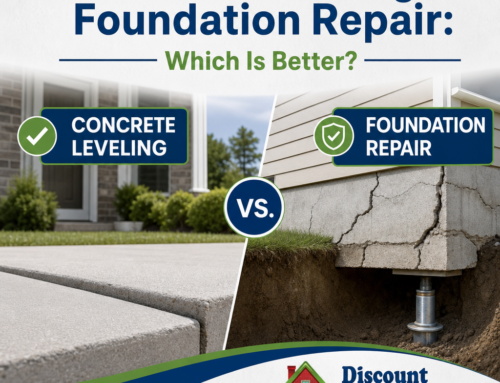
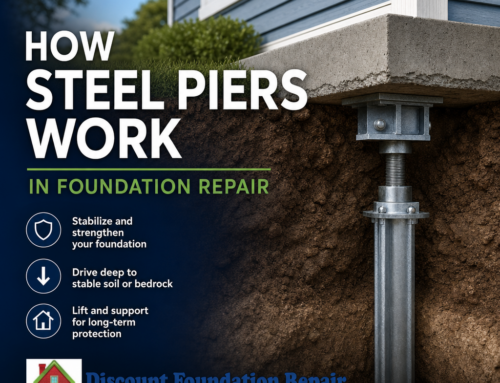
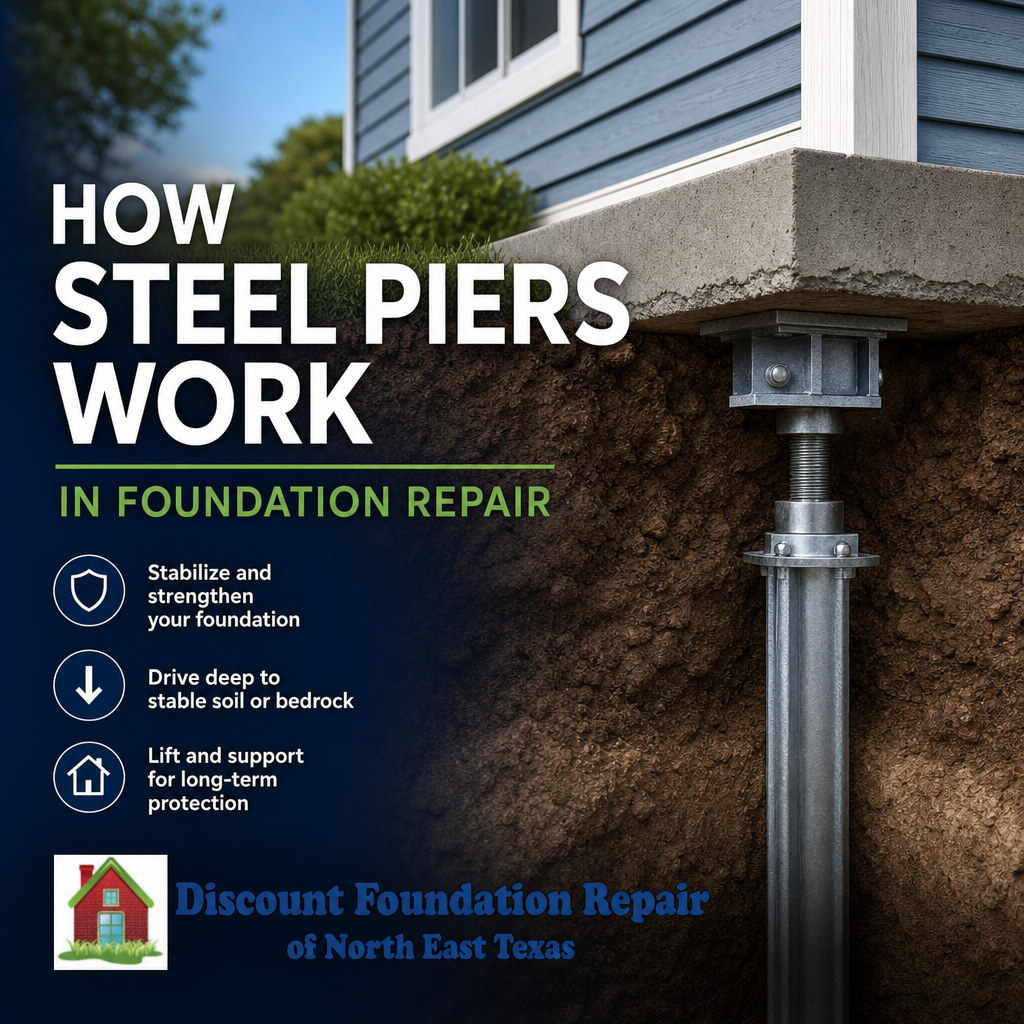
Not every foundation type needs the same inspection routine. Slab homes often need close attention to cracks, drainage, plumbing leaks, and floor level changes. Since much of the system is hidden beneath concrete, surface symptoms become especially important. If movement is confirmed, slab foundation repair options may include piers, stabilization methods, crack repair, or drainage improvements based on site conditions.
Pier and beam homes require a different approach. Crawl spaces should be checked for moisture, wood damage, shifting piers, poor ventilation, and uneven support. If floors feel soft, sagging, or out of level, an inspection can identify whether the issue is related to beams, joists, piers, soil, or water exposure. Pier and beam repair may involve leveling, replacing damaged wood, adjusting supports, or correcting moisture concerns.
Commercial properties should also stay on an inspection schedule. Larger buildings, heavier loads, and frequent use can make structural movement more costly if ignored. Property managers and business owners benefit from routine evaluations that document changes and support planned maintenance.
Foundation leveling, crack repair, and long-term structural stability
A foundation inspection does not always mean major repairs are needed. Sometimes cracks are cosmetic, drainage improvements are enough, or the home simply needs monitoring. The goal is to understand what is happening before choosing a repair plan. Honest information helps homeowners avoid unnecessary work while still protecting the structure.
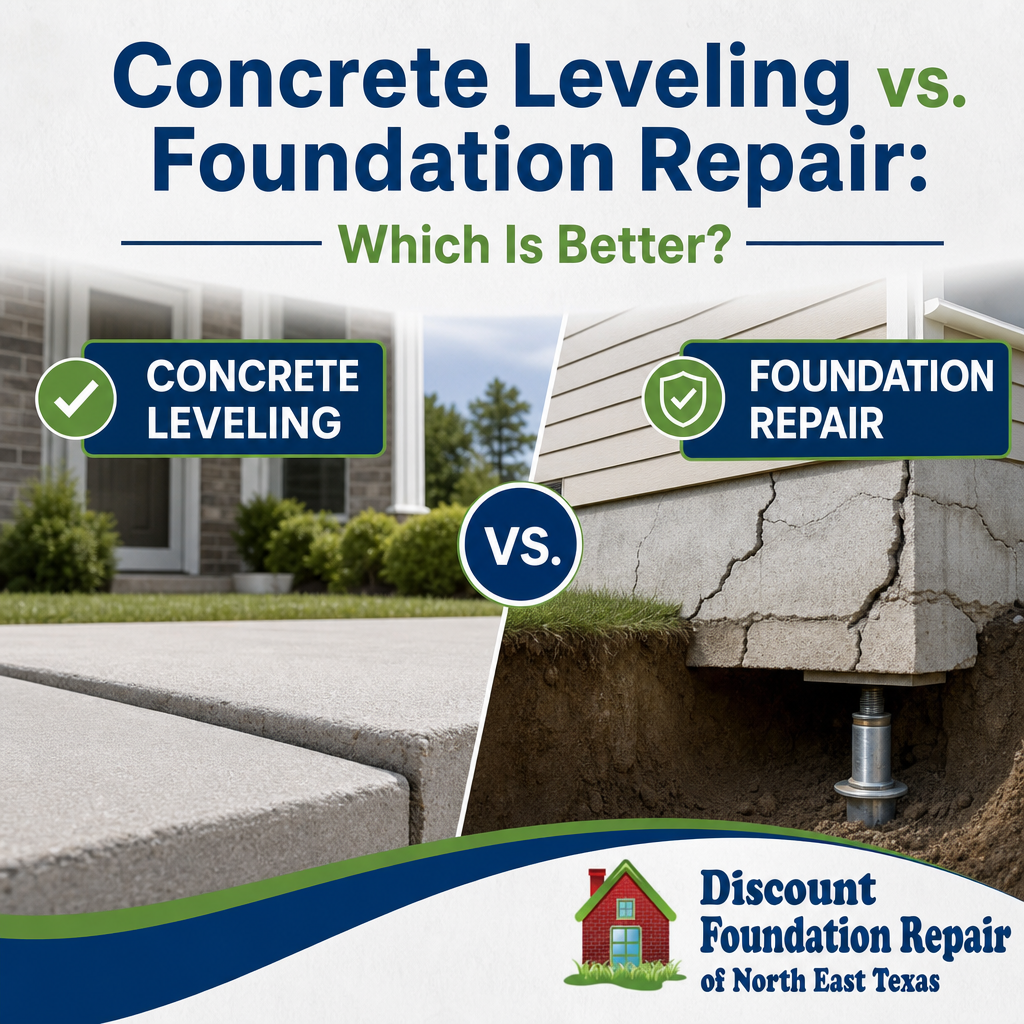
When movement is active or affecting the home’s safety and performance, foundation leveling may be recommended. Leveling is designed to improve support and address settlement, but the method depends on the foundation type, soil conditions, amount of movement, and visible damage. Crack repair may also be needed after stabilization to protect surfaces and reduce water intrusion.
Long-term stability depends on more than lifting or supporting a structure. Drainage, grading, moisture control, tree root activity, and plumbing issues can all affect future movement. A dependable repair company should explain these factors clearly so you understand both the immediate issue and the conditions contributing to it.
Foundation inspection costs, home value, safety, and repair timelines
Homeowners often worry about cost first, and that is understandable. Foundation concerns can feel stressful because they affect the structure, resale value, and safety of the property. The cost of an inspection or repair depends on the size of the home, type of foundation, severity of movement, access conditions, drainage problems, and repair method needed.
Catching issues early can help limit related damage. Foundation movement may lead to cracked walls, damaged flooring, roofline stress, plumbing problems, window gaps, and moisture intrusion. Waiting too long can allow small repairs to become more involved. A timely inspection gives you a clearer picture of what needs attention now and what can be monitored.
Timelines vary by property. Some inspections can be completed quickly, while repairs may take longer depending on engineering needs, access, weather, and the scope of work. When choosing a foundation repair company, look for clear communication, experienced crews, practical recommendations, fair pricing, and a willingness to discuss drainage and soil conditions, not just visible cracks.
Get the help you need with a dependable foundation inspection
Get the help you need from Discount Foundation Repair if you are unsure how often to inspect your foundation or you have started noticing cracks, uneven floors, sticking doors, or drainage problems around your home. A professional evaluation can help identify whether your property is experiencing normal settling, moisture-related movement, or a structural concern that needs repair.
Discount Foundation Repair provides honest foundation evaluations, residential and commercial foundation expertise, crack repair, house leveling, slab leveling, drainage guidance, and structural stabilization options based on the condition of your property. If something feels off with your home, scheduling an inspection is a practical first step toward protecting safety, home value, and long-term stability.