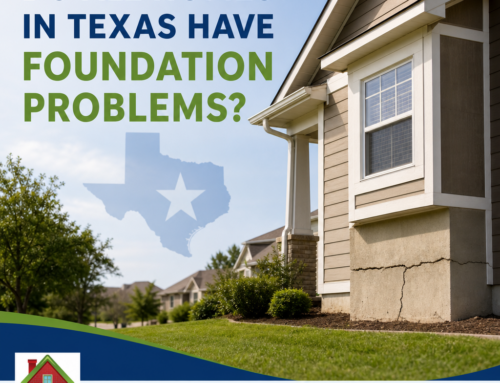
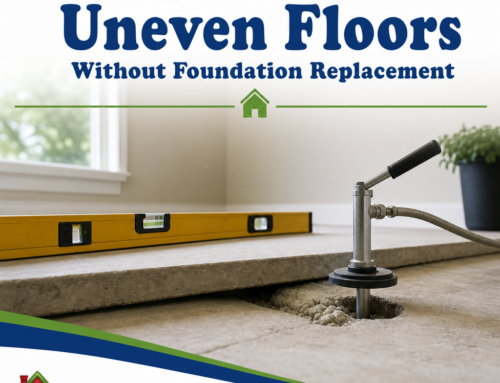
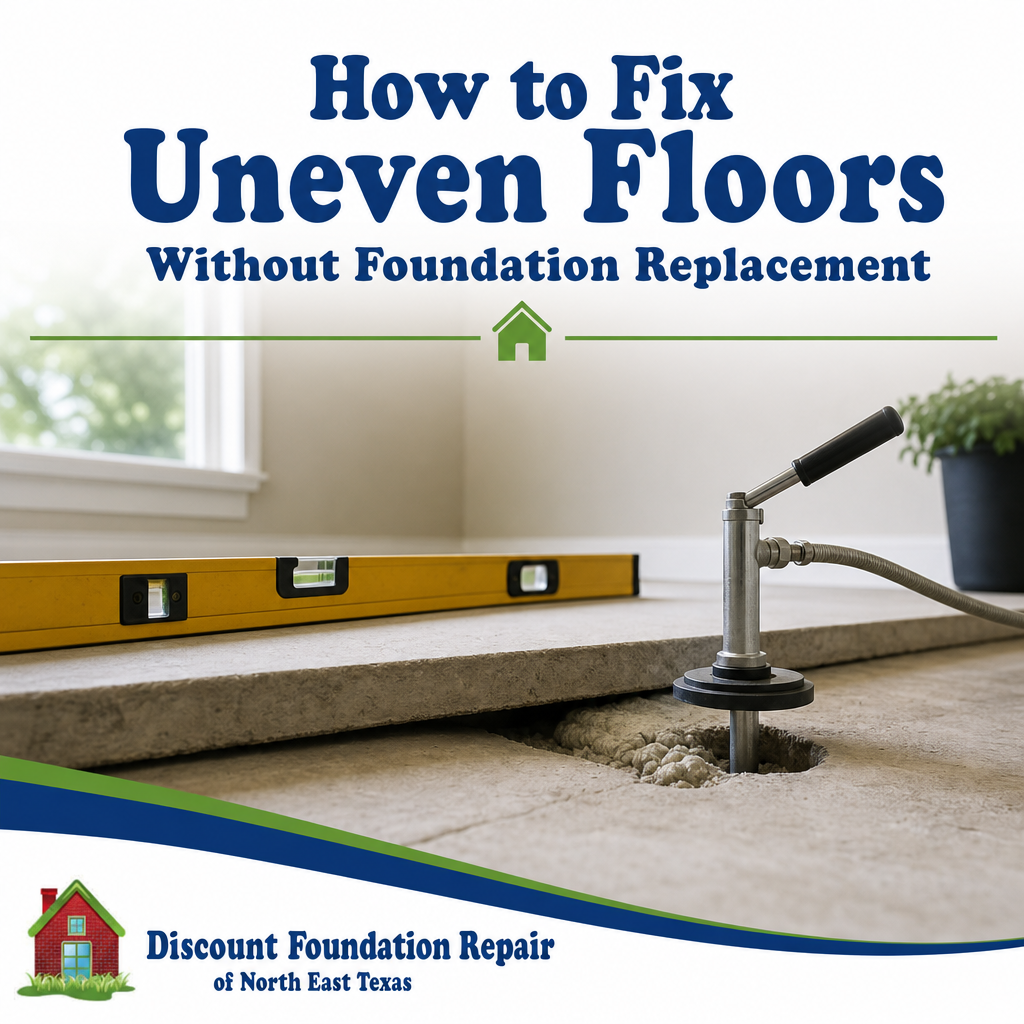
Are you seeing cracks, sticking doors, or uneven floors and wondering what causes foundation problems in Texas homes before the damage gets worse? Discount Foundation Repair helps homeowners identify soil, drainage, and structural issues early so they can protect their property with the right foundation repair solution.
Foundation problems in Texas homes are most often caused by expansive clay soil, extreme moisture changes, poor drainage, plumbing leaks, tree roots, and shifting structural loads. Texas weather can move from long dry spells to heavy rainfall quickly, causing the ground beneath a home to shrink, swell, and move. Over time, that movement can affect slabs, pier and beam systems, walls, floors, and the overall stability of the structure. Understanding the cause is the first step toward choosing the right repair approach, whether that means foundation repair, slab leveling, drainage correction, crack repair, or house leveling.
Expansive Clay Soil Under Texas Homes Can Cause Foundation Movement
Many Texas homes are built on expansive clay soil, which is one of the most common reasons foundations shift. Clay soil absorbs water during wet periods and expands. During hot, dry weather, it loses moisture and shrinks. This cycle creates pressure changes beneath the foundation, which can lead to settlement, heaving, cracks, and uneven floors.
This soil movement does not always happen evenly across the property. One side of the house may hold more moisture due to shade, landscaping, poor grading, or drainage patterns, while another side dries out faster. That uneven soil activity can place stress on slabs and pier and beam foundations.
For homeowners, this means foundation issues are not always caused by the structure alone. The soil under and around the home plays a major role. A proper foundation inspection should look at visible damage, elevation changes, drainage conditions, and the way the soil interacts with the home.
Poor Drainage Around the Foundation Leads to Soil Instability
Water that collects near a foundation can create serious structural concerns. When gutters, downspouts, yard grading, or surface drainage do not move water away from the home, the soil can become oversaturated. This can cause swelling, soft spots, erosion, and uneven support beneath the structure.
Poor drainage may also cause one area of the foundation to move more than another. Over time, this can lead to stair-step brick cracks, gaps around windows, sloping floors, and interior drywall cracks. In slab homes, water pressure and soil expansion can contribute to the need for slab foundation repair or slab leveling.
Drainage correction is often an important part of long-term foundation performance. While structural repairs address movement that has already occurred, water control helps reduce future stress on the foundation. Discount Foundation Repair evaluates drainage and soil conditions along with structural signs so homeowners can make informed decisions.
Texas Drought, Heat, and Tree Roots Can Pull Moisture from Soil
Dry Texas summers can cause clay soil to contract significantly. When soil pulls away from the foundation, the structure may lose consistent support. This can result in sinking sections, cracks, and misaligned doors or windows. Long drought periods are especially hard on homes that already have drainage or soil balance issues.
Tree roots can make the problem worse. Large trees near the home may draw moisture from the soil, especially during dry weather. As roots compete for water, the soil can shrink unevenly near the foundation. This does not mean every tree is a problem, but root activity should be considered when foundation movement appears near shaded or heavily landscaped areas.
A foundation inspection can help determine whether drought-related soil shrinkage, root activity, or another issue is contributing to the damage. In some cases, repair options may include foundation leveling, structural stabilization, moisture management recommendations, or drainage improvements.
Plumbing Leaks Beneath Slabs Can Damage Foundation Support
Plumbing leaks are another common cause of foundation problems in Texas homes, especially with slab foundations. A leak beneath the slab can saturate the soil and cause it to expand, soften, or wash away. This changes the support under the concrete and may contribute to cracks, raised areas, or sinking sections.
Signs of a possible plumbing-related foundation issue can include warm spots on floors, unexplained water bills, damp flooring, mildew odors, or foundation movement concentrated in one area. A plumbing leak does not always create immediate visible damage, but over time it can affect soil stability and lead to structural concerns.
When water problems are suspected, homeowners may need both plumbing evaluation and foundation inspection. Repair planning should be based on the property’s actual condition, not assumptions. Discount Foundation Repair can assess the structural symptoms and help homeowners understand whether slab leveling, crack repair, or other foundation repair services may be appropriate after the water issue is addressed.
Poor Soil Compaction and Construction Conditions May Contribute to Settlement
Some foundation problems begin before a home is even finished. If soil was not compacted properly before construction, the foundation may settle as the ground compresses over time. Fill dirt, uneven site preparation, and improper grading can all affect how well the soil supports the structure.
Settlement may appear years after construction, depending on weather patterns, drainage, and property use. In neighborhoods with varied soil depth or sloped lots, movement may be more noticeable. Homes with additions, heavy exterior features, or changing load conditions may also experience stress if the supporting soil is not stable.
This is one reason professional foundation inspections are so important. A trained eye can separate normal cosmetic wear from signs of structural movement. Whether the property needs monitoring, house leveling, pier and beam repair, or structural stabilization depends on the type of foundation and the severity of movement.
Warning Signs of Foundation Damage Texas Homeowners Should Not Ignore
Foundation problems often begin with small changes. Catching them early can help prevent worsening structural damage and reduce the risk of more involved repairs later. Homeowners should pay attention to patterns, not just isolated cracks or one sticking door.
Common warning signs include:
- Interior drywall cracks near doors, windows, or ceilings
- Stair-step cracks in brick or exterior masonry
- Doors and windows that stick, drag, or no longer latch properly
- Uneven, sloping, or bouncy floors
- Gaps between walls, trim, floors, or ceilings
- Cracks in tile, concrete, or the slab
- Separation around chimneys, porches, or exterior walls
- Standing water or poor drainage near the foundation
One symptom alone does not always mean major structural damage, but several signs together should be inspected. Discount Foundation Repair provides honest foundation evaluations to help homeowners understand what is happening and what repair options fit the property’s condition.
Foundation Repair Costs, Timelines, Safety, and Protecting Home Value
Most homeowners worry about cost first, and that is understandable. Foundation repair costs depend on the type of foundation, amount of movement, soil conditions, drainage problems, accessibility, and the repair method needed. A minor crack repair or drainage correction may be very different from full house leveling or extensive pier and beam repair.
Timelines also vary. Some repairs can be completed relatively quickly, while more complex structural stabilization may require additional planning, utility checks, or coordination with plumbing and drainage work. A dependable foundation repair company should explain the process clearly, discuss potential property impacts, and avoid pressure-based recommendations.
Protecting home value and safety is often the real priority. Foundation movement can affect flooring, walls, plumbing, windows, rooflines, and resale confidence. Real estate professionals and property managers also know that unresolved foundation damage can complicate inspections, negotiations, and financing. Choosing experienced crews matters because the goal is not just lifting or leveling; it is matching the repair approach to the structure, soil, and long-term stability concerns.
When You Need Help Understanding Foundation Problems in Texas Homes
When you need practical answers about foundation problems in Texas homes, Discount Foundation Repair can inspect the warning signs, evaluate soil and drainage factors, and recommend repair options based on the property’s actual condition. Our team works with residential and commercial properties, including slab foundations, pier and beam homes, and structures showing settlement or movement.
We focus on honest evaluations, dependable workmanship, and clear communication. Whether you need foundation leveling, pier and beam repair, drainage correction, crack repair, slab foundation repair, or a professional foundation inspection, we can help you understand the next step without unnecessary confusion.
Foundation problems usually get worse when they are ignored. If you have cracks, uneven floors, sticking doors, or water collecting near your home, scheduling an inspection is a smart way to protect your property, safety, and long-term value. Contact Discount Foundation Repair to request an estimate and get straightforward guidance from a team that understands Texas soil, structural movement, and practical repair solutions.