We provide trusted foundation repair and inspection services to help homeowners understand when to worry about foundation cracks—and when a small line could mean a bigger structural issue.
Cracks in your foundation, walls, or floors are more common than most people realize, but not all of them are harmless. Some are simply signs of natural settling, while others point to movement beneath your home that needs professional attention. At Discount Foundation Repair Specialists, we help homeowners across Irving, Watauga, and Grapevine identify what’s happening under their homes and decide the right next step before small problems turn into costly repairs.
Foundation Cracks
Concrete naturally shrinks as it cures, and temperature changes cause it to expand and contract. These shifts can lead to fine hairline cracks that are mostly cosmetic. However, when cracks widen, deepen, or multiply, they often signal that the soil beneath your home is moving or losing support.
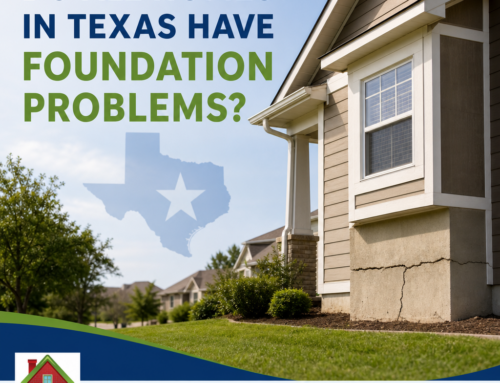
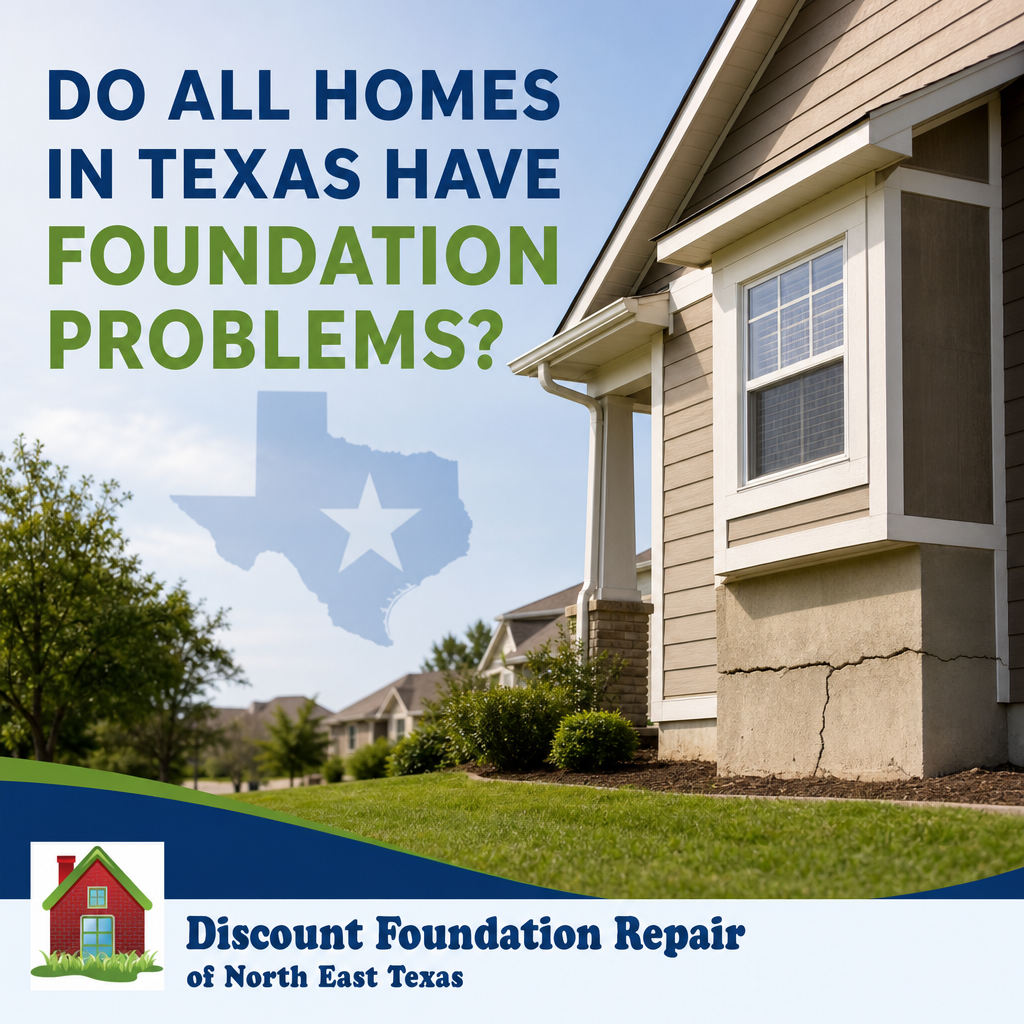
In Texas, where clay-heavy soil expands when wet and contracts when dry, this movement is common. The challenge is knowing which cracks are normal and which indicate foundation settlement or structural damage.

The Different Types of Foundation Cracks
Each crack tells a different story about what’s happening beneath your home.
-
Hairline cracks: Usually less than 1/16 inch wide, these are common in new foundations or recently poured slabs. They typically don’t pose a serious threat unless they grow over time.
-
Vertical cracks: These often result from normal settling but should be monitored closely. If they widen or lengthen, they may indicate ongoing soil movement.
-
Diagonal cracks: Cracks that run at a 30- to 75-degree angle suggest uneven settlement—one part of the foundation is dropping more than another.
-
Horizontal cracks: These are the most concerning. Horizontal cracks often mean external pressure, such as expanding soil or hydrostatic pressure, is pushing against the foundation.
The direction, width, and pattern of a crack can reveal whether your home needs cosmetic sealing or structural repair.
Warning Signs That Cracks Need Professional Evaluation
Not all cracks require immediate repair, but certain signs mean it’s time to call a foundation expert:
-
Cracks wider than 1/8 inch or growing over time
-
Gaps that allow moisture or pests to enter
-
Step-shaped cracks along brick walls
-
Cracks accompanied by sloping floors or uneven doors
-
Separation between walls, ceilings, or windows
-
Horizontal cracks along the foundation walls
These issues often indicate that your foundation is shifting or settling unevenly—and the longer they’re ignored, the more damage they can cause.
Foundation Cracks Form in Texas Homes
Soil composition and climate are major contributors to foundation cracks in North Texas. Our region’s expansive clay soil absorbs water during rainy seasons and shrinks in drought, creating constant movement beneath your home.
Other causes include:
-
Poor drainage: Water pooling near your foundation increases soil expansion.
-
Plumbing leaks: Leaks under the slab can wash out supporting soil, creating voids.
-
Tree roots: Large roots absorb moisture, drying out soil near the home.
-
Improper grading: When the yard slopes toward the house, water collects around the foundation.
The combination of moisture imbalance and soil movement creates stress that concrete can’t always withstand—resulting in cracking, settlement, or both.
What to Do if You Notice Foundation Cracks
If you spot cracks in your walls, floors, or exterior brickwork, don’t panic—but don’t ignore them either. Start by documenting the cracks with photos and measurements. Monitor them every few weeks to see if they widen, deepen, or spread.
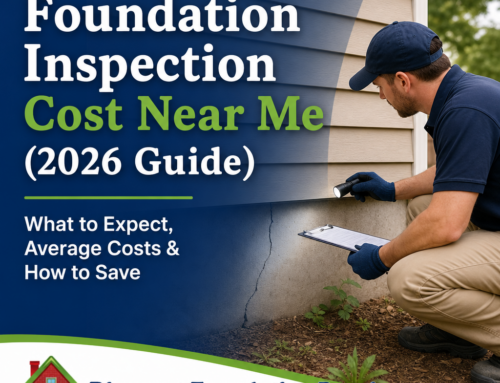
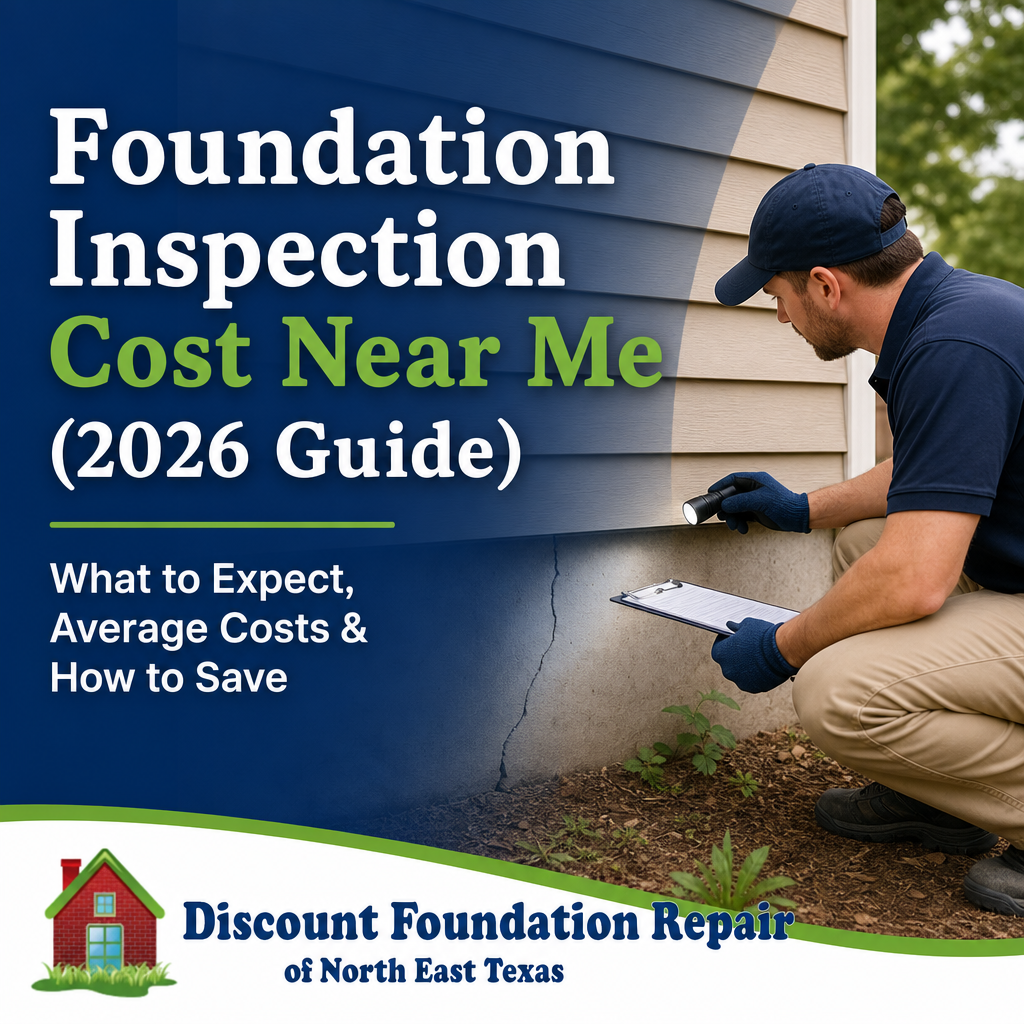
If the cracks appear near doors, windows, or floors that seem uneven, it’s time to schedule a professional foundation inspection. Our experts at Discount Foundation Repair Specialists provide free inspections, measuring elevation levels and identifying whether the cracks are cosmetic or structural.
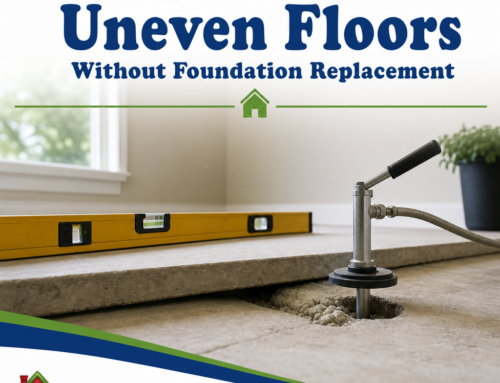
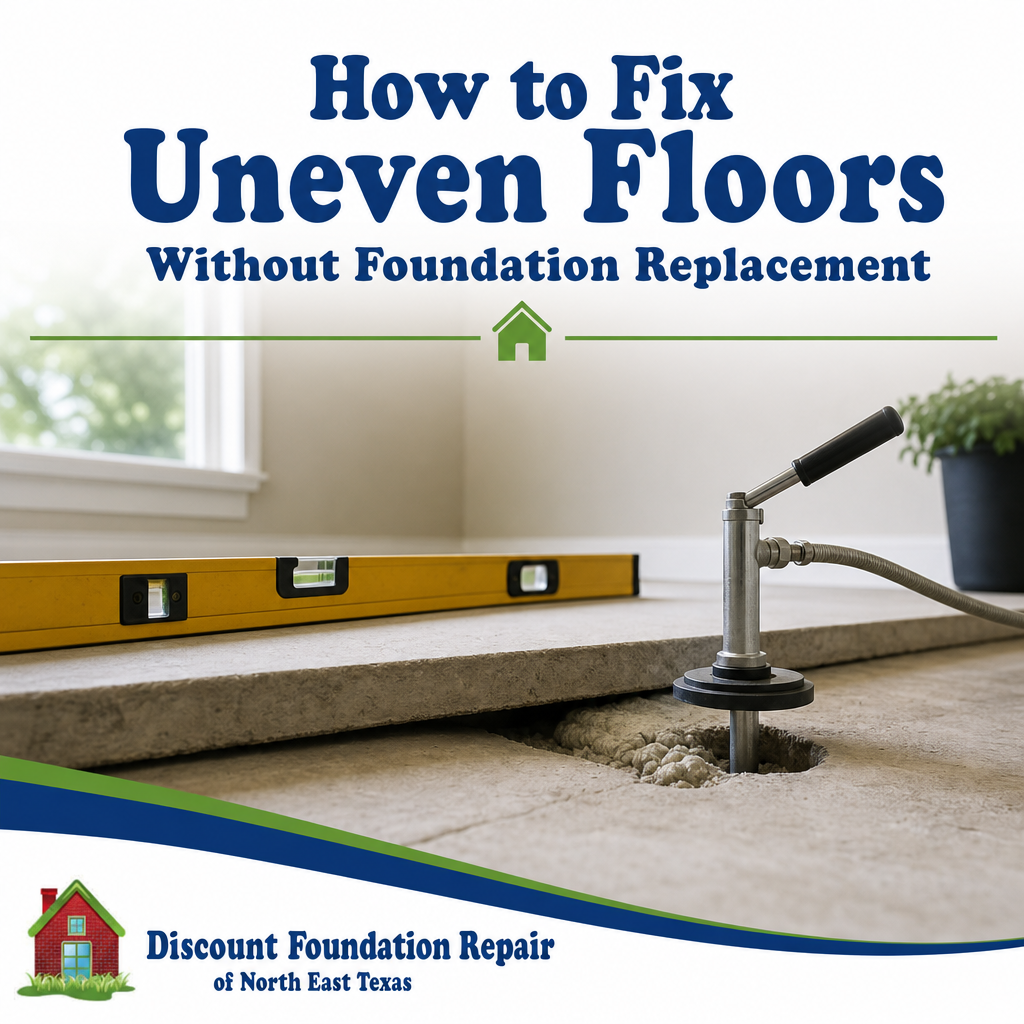
When repairs are needed, we use proven methods like steel or concrete piers to stabilize and level your home. Addressing the issue early prevents larger cracks, protects your home’s structure, and avoids more expensive fixes later.
The Cost of Waiting Too Long
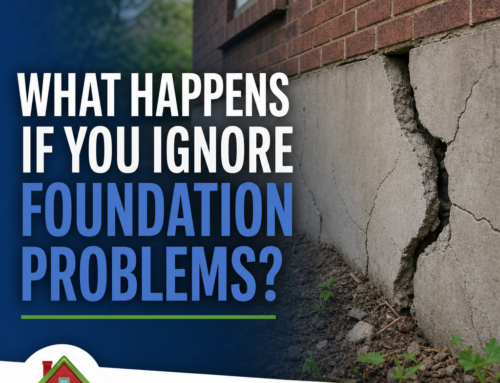
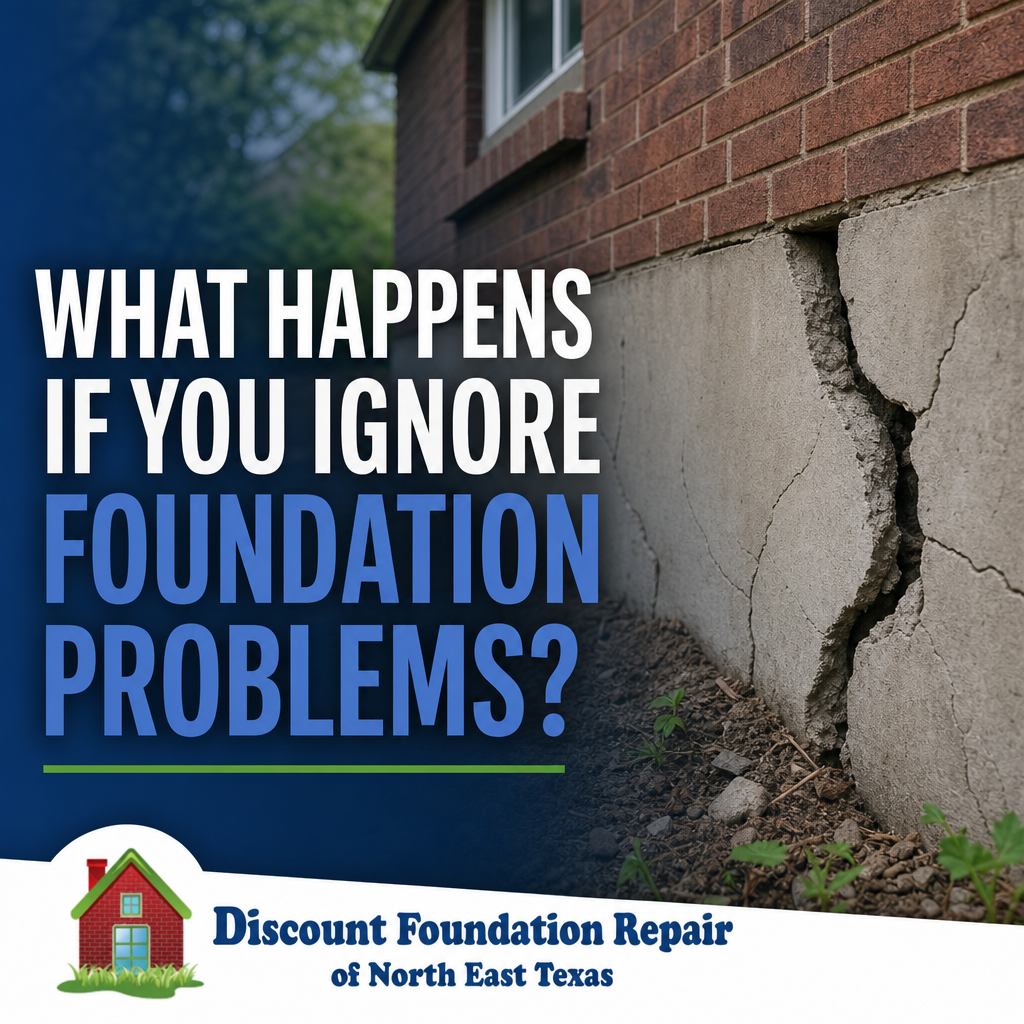
Foundation damage doesn’t repair itself—it worsens over time. Cracks that start small can lead to major structural damage, including broken plumbing lines, roof misalignment, and interior wall separation. The longer you wait, the more complex (and expensive) the repairs become.
Timely evaluation and foundation repair not only save money but also preserve your home’s safety, appearance, and resale value. Homebuyers are wary of visible foundation issues, but documented repairs with warranties give them peace of mind and confidence in your property.
Protecting Your Home After Repairs
After cracks are repaired and your foundation is stabilized, maintaining proper soil and moisture balance is key to preventing future movement. A few preventive steps include:
-
Keeping gutters clean and directing water away from the foundation.
-
Maintaining consistent soil moisture with soaker hoses during dry months.
-
Avoiding over-watering near the house.
-
Installing French drains or regrading the yard for better drainage.
These small measures go a long way in protecting your investment.
Get Expert Help for Foundation Cracks in Irving and Surrounding Areas
If you’ve noticed cracks in your foundation or walls, it’s time to get clarity and peace of mind. At Discount Foundation Repair Specialists, we offer free inspections to determine whether your home’s cracks are harmless or need immediate attention.
We provide foundation repair, leveling, and stabilization across Irving, Watauga, and Grapevine, using proven systems backed by strong warranties. Our experienced team explains every step clearly so you can make informed decisions about your home.
Don’t let uncertainty about foundation cracks keep you guessing—call us today to schedule your free inspection and get your home back on solid ground.