We provide expert foundation repair and house leveling for homes in Irving, Watauga, and Grapevine—pinpointing vertical foundation cracks, their causes, and the best fix so your property stays safe, sellable, and loan-ready.
Vertical cracks look simple, but they’re speaking a language your home can’t ignore. Some are cosmetic hairlines; others point to settlement, drainage failures, or construction gaps that will grow if left alone. At Discount Foundation Repair Specialists, we start with a thorough foundation inspection, explain what the crack means, and pair it with a repair plan that fits your budget and timeline.
Signs of Vertical Foundation Cracks You Shouldn’t Ignore
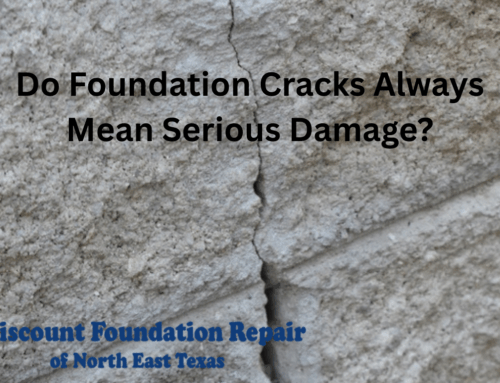
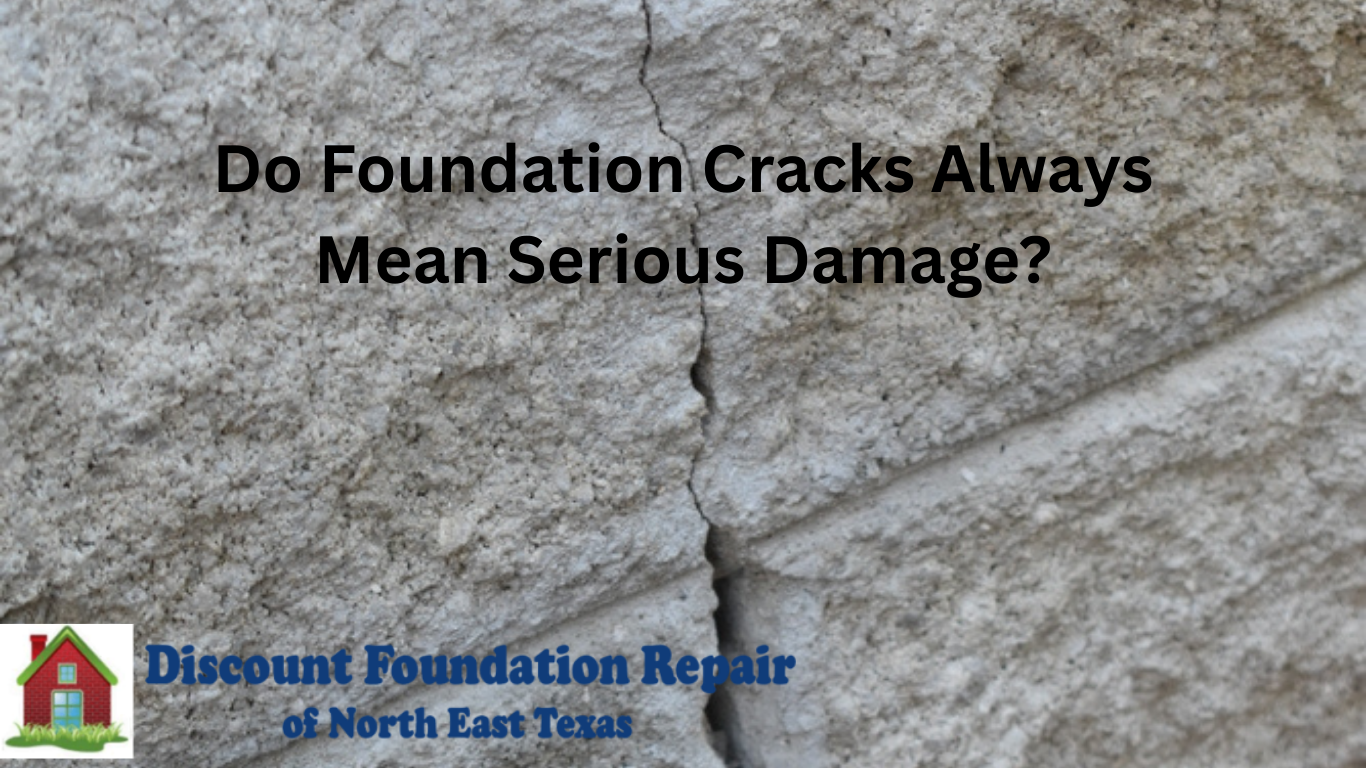
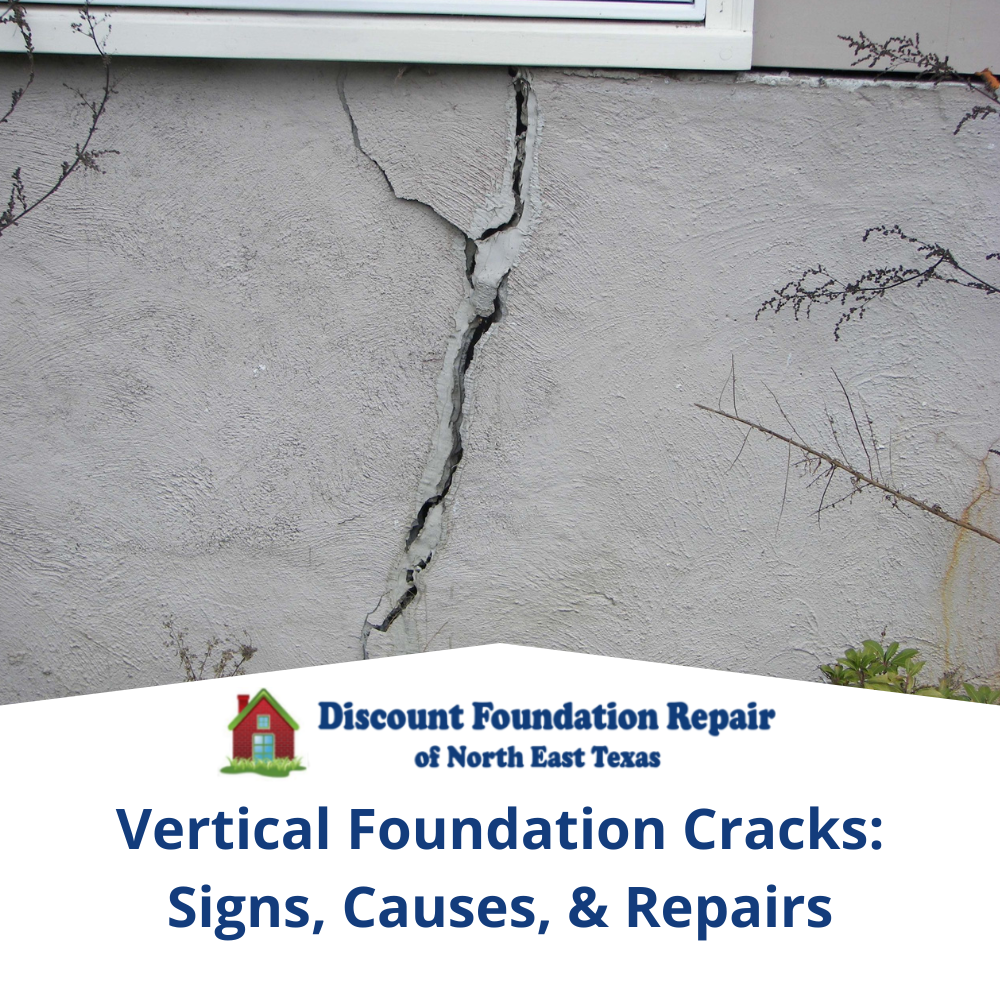
Vertical cracks usually run straight up and down—or close to it—on concrete slab edges, stem walls, or interior masonry. Hairline lines that don’t widen might be normal shrinkage; wider or growing cracks suggest active movement. Watch for sticky doors, fresh drywall splits, and trim gaps near the crack zone; those cues often confirm your foundation is shifting, not just your paint.
-
Hairline (paper-thin) cracks that don’t change: monitor.
-
1/8″ and wider, or cracks that keep opening: schedule an inspection.
-
Cracks paired with floor slope or brick step-cracks: treat as urgent.
Common Causes of Vertical Foundation Cracks in Texas Homes
Our North Texas climate puts foundations under stress. Clay-rich soils swell after rain and contract during dry spells, prying against concrete and then letting it drop. Add poor grading or gutter issues, and moisture swings get more extreme.
Another driver is under-slab plumbing leaks that wash out soil pockets. On newer builds, inadequate compaction around the perimeter can show up as neat vertical splits a few seasons after move-in. Trees planted too close can also pull moisture from soil, encouraging settlement and crack formation.
How Pros Diagnose a Vertical Crack (and What That Tells You)
We begin at the crack and work outward. Measurements with precision levels map floor elevations to see if the home is dipping or humping. Outside, we review drainage patterns, downspout discharge, and soil contact. Inside, we log door function, trim separations, tile grout breaks, and ceiling lines to triangulate movement.
If the crack is uniform and not widening, it may be shrinkage. If it stair-steps through brick or shows offset (one side higher), that’s settlement. Consistent crack patterns near corners often signal perimeter drop. This diagnosis matters because it guides whether you need moisture management, structural support, or both.
Repair Options for Vertical Foundation Cracks and When Each Makes Sense
For cosmetic shrinkage cracks, a flexible sealant or epoxy fill keeps moisture and pests out and tidies the edge. That’s maintenance, not structure. When settlement is confirmed, we stabilize and lift using deep supports so movement stops at its source.
On slab homes, steel or concrete piers transfer the load to stable strata, then we gently lift to recover elevations. On pier-and-beam, we shim and add supports, correcting sag and restoring bearing points. After stabilization, we address the crack with sealants or mortar repair so the finish looks clean and protected.
If the cause is water, drainage upgrades matter as much as the structural fix: gutter extensions, re-grading for positive slope, and sometimes French drains to keep Texas clay soil from cycling so hard.
Cost, Timing, and What Homeowners Care About Most
Most clients want to know, “Is it safe, how fast can you do it, and what will it cost?” Safety comes first. True structural settlement rarely means immediate danger, but it does mean mounting damage to finishes and mechanicals if you wait. We prioritize stabilization to stop ongoing movement, then lift if the structure and finishes allow.
Next is timing. Many projects finish in one to three days, depending on access, pier count, and weather. We stage work to keep your home functional, and we clean as we go so there’s minimal disruption. If you’re prepping to sell or refinance, we can align repairs with your appraisal or listing date and provide documentation buyers and lenders expect.
Budget depends on pier type and quantity, access (porches, landscaping, hardscape), and whether drainage corrections are required. We build options: essential stabilization now, plus moisture improvements that protect your investment long-term. Transparent scopes and photos help you see exactly what you’re paying for.
Lastly, warranties and paperwork matter. Buyers love seeing a transferable warranty tied to a reputable contractor. Your report, elevation readings, and repair photos become a trust-building package that can support price, reduce days on market, and keep deals from stalling.
Preventing Vertical Foundation Cracks from Coming Back
Once stabilized, keep water consistent. Maintain gutters, push downspouts 6–10 feet from the slab, and keep soil grade sloping away. Avoid over-watering beds against the foundation; use soaker hoses strategically during drought to prevent extremes. Watch large trees; root barriers or adjusted watering can balance moisture demand without losing shade.
Seasonal checkups help too. A quick walk-around after heavy rain or a long dry spell catches early signs before they grow. If you note changes—new gaps, fresh brick lines, or door shifts—log the date and call for a check. Early action is almost always cheaper.
If You’re Looking for Straight Answers and Solid Repairs
If you’re looking for clear guidance on vertical foundation cracks, Discount Foundation Repair Specialists is ready to help. We diagnose the cause, explain the fix, and deliver durable house leveling and stabilization for homes in Irving, Watauga, and Grapevine. You’ll get a plain-language report, photos, and a solution built around your timeline and budget. Schedule your foundation inspection today, and keep your home standing strong—on purpose.