Discount Foundation Repair helps homeowners identify seasonal threats to their homes—especially when cold weather causes hidden foundation problems to surface. While most people associate foundation movement with hot, dry weather, cold temperatures can also cause shifting, especially when soil freezes, contracts, or holds moisture unevenly.
Knowing the signs of winter-related foundation movement can help prevent small issues from becoming major repairs.
How Cold Weather Affects Texas Foundations
Cold snaps in Texas might not be long-lasting, but they can still affect the ground beneath your home. During freezing conditions, moisture in the soil may expand. When it thaws, it contracts again. This back-and-forth movement puts pressure on slab and pier and beam foundations alike.
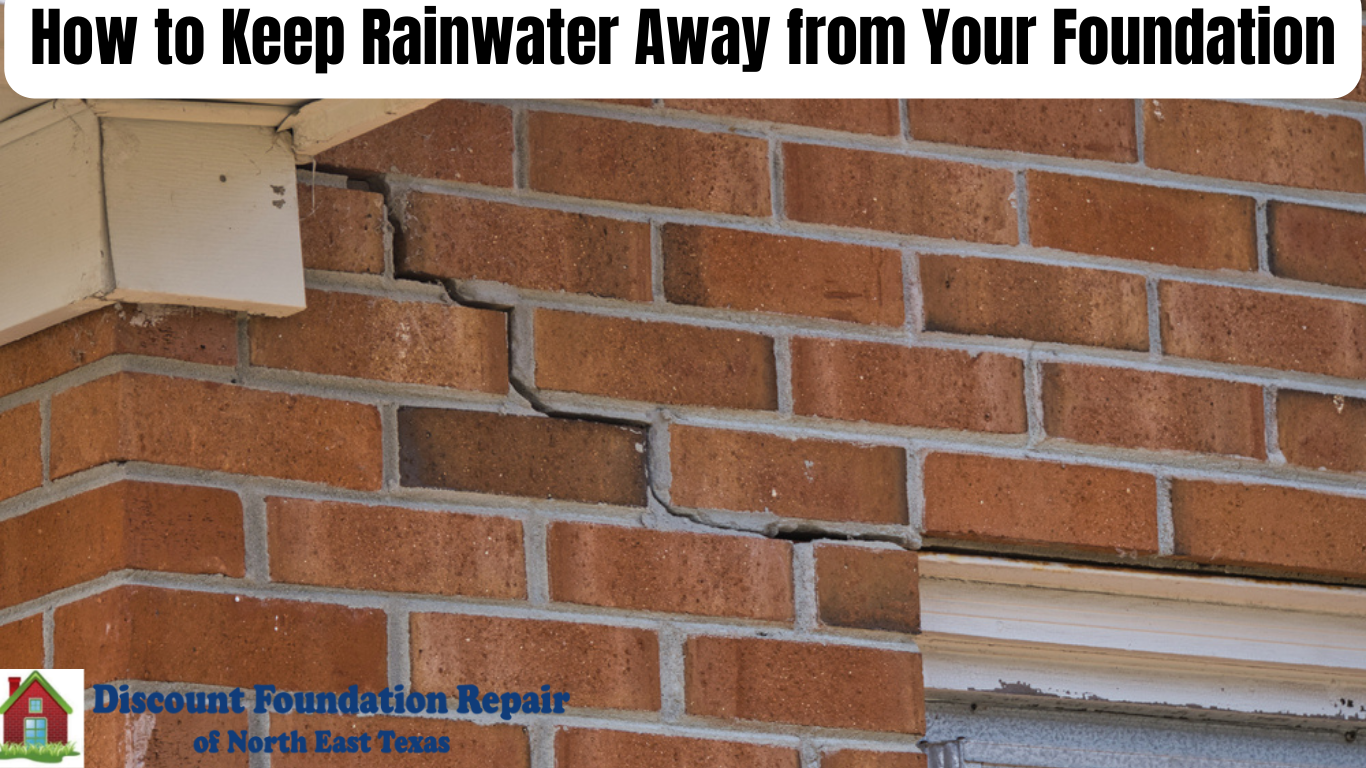
In North Texas, where soil has a high clay content, moisture levels rise and fall dramatically throughout the winter. Rain followed by cold can lead to shifting, frost heave, or sudden cracks—especially around the edges of the foundation.
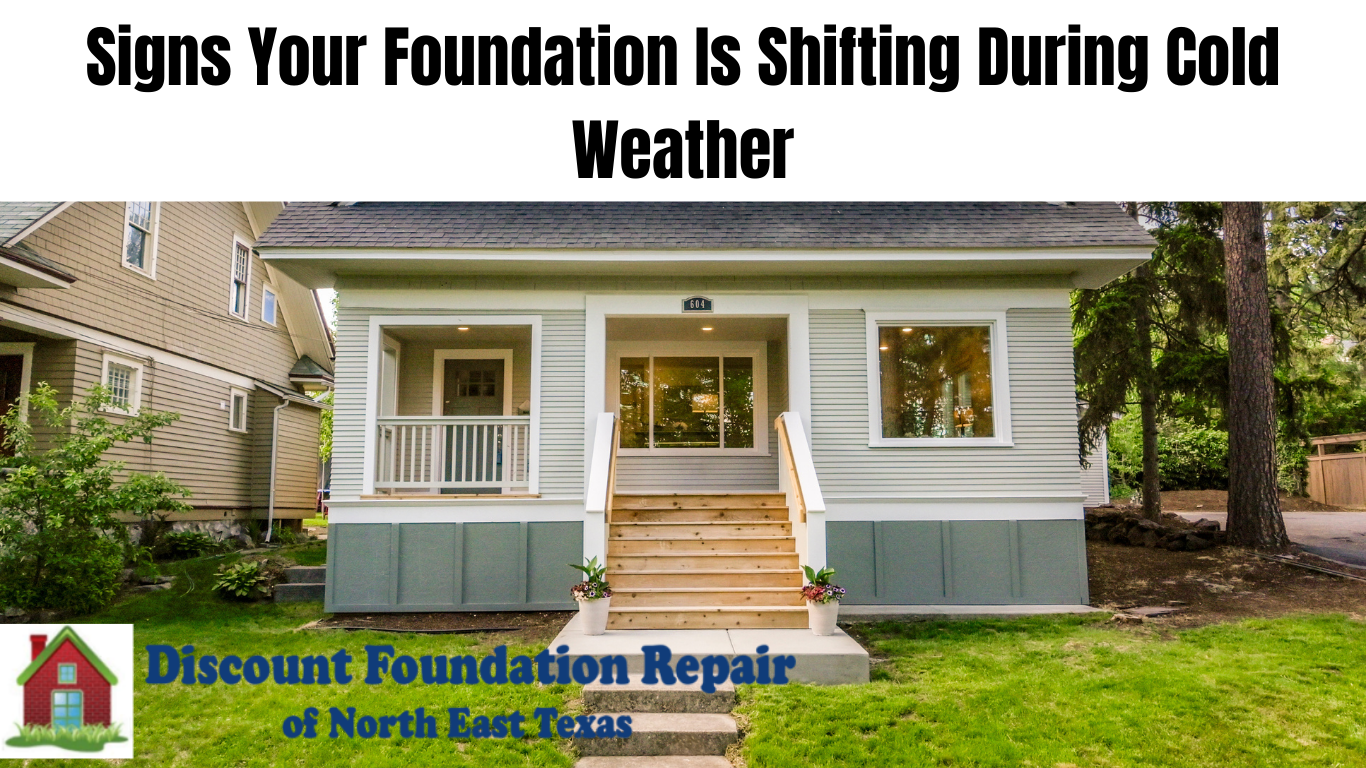
Homes that are already showing signs of wear are more vulnerable to these temperature swings.
Common Signs of Winter Foundation Shifts
Homeowners often overlook winter-related changes in their homes. But certain symptoms appear or worsen during cold weather:
- New or widening cracks in drywall, ceiling corners, or floor tiles
- Sticking doors and windows, especially on exterior walls
- Cold air leaks near baseboards or window frames
- Sloping floors or uneven sections that feel new
- Gaps between walls and trim or countertops
Learn about other early warning signs of foundation damage
Why Winter Foundation Damage Can Escalate
If foundation issues start or worsen during cold months, they can accelerate with each freeze-thaw cycle. When temperatures warm up, the soil may settle into a new, lower position—leaving parts of your foundation unsupported.
Cracks that formed in winter may allow spring rain to seep beneath the home, leading to more movement or erosion. Even minor winter damage can create long-term instability if ignored.
How Pier and Beam Homes React in Winter
Cold air moving through crawl spaces can affect pier and beam foundations differently than slabs. Wood beams can expand or contract slightly with temperature and moisture changes. If the crawl space isn’t sealed or drained properly, it may lead to:
- Bouncy or sagging floors
- Floorboard separation
- Cold drafts or mildew odor
Sealing, ventilating, and maintaining drainage in the crawl space is especially important during winter.
See how pier and beam foundations are stabilized
What You Can Do Now
If you suspect shifting or cold-weather foundation stress, it’s best to act early. Steps you can take now include:
1. Inspect visible areas regularly
Walk your home’s exterior and interior during cold spells. Look for new cracks, separation, or uneven areas.
2. Monitor moisture and drainage
Make sure water drains away from the foundation. Clear gutters and extend downspouts to prevent pooling near the slab or crawl space.
3. Schedule a professional inspection
Foundation specialists can assess movement and recommend affordable stabilization before damage spreads.
Book a winter inspection with Discount Foundation Repair
Real Results from Winter Repairs
“We started noticing floor cracks and stiff doors during that cold snap in January. Turns out part of our foundation had sunk slightly. The team fixed it with new piers, and everything is level again.” — Fort Worth homeowner
Winter foundation repair isn’t just possible—it’s often ideal. Soil is easier to assess when it’s not saturated with spring or summer rain, and homeowners can act before damage increases.
For additional reading, the U.S. Department of Energy offers tips on spotting cold air leaks—another sign of potential movement.