Discount Foundation Repair helps homeowners understand the warning signs of structural movement and what those signs mean for their homes. When cracks appear in a foundation wall, many homeowners immediately worry about major structural damage. The truth is that some cracks are normal, while others signal that the foundation may need professional attention.
Understanding the difference between minor settling cracks and structural problems can help homeowners decide when to monitor the issue and when to schedule a professional inspection.
What Causes Cracks in Foundation Walls?
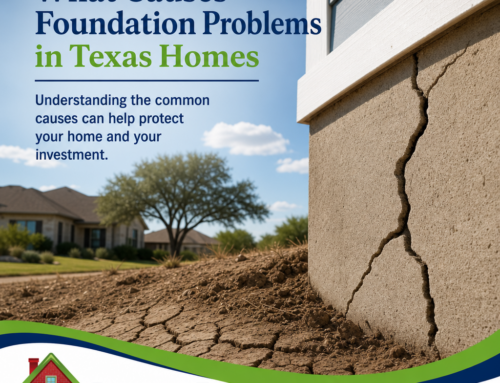
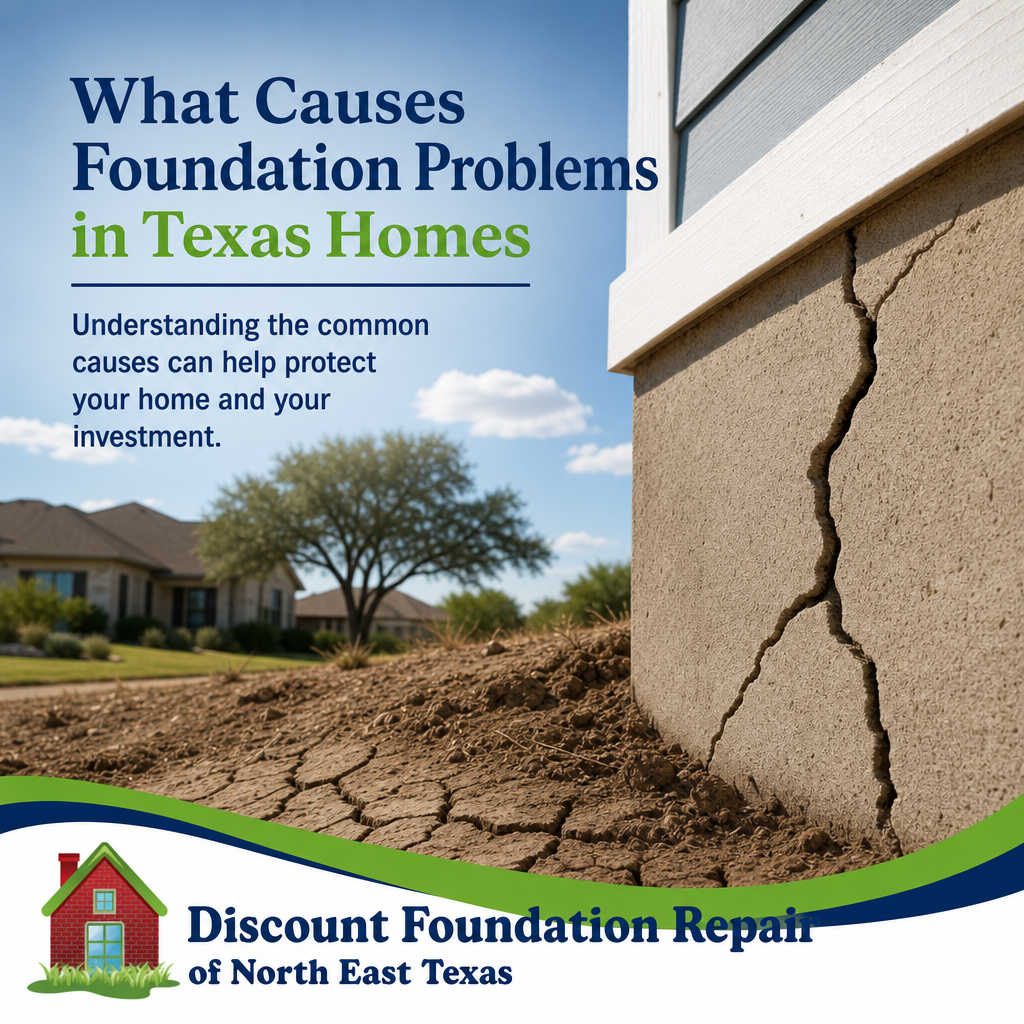
Foundation cracks happen for several reasons, but in Texas the most common cause is soil movement. The clay-heavy soil found throughout North Texas expands when wet and shrinks when dry. This constant cycle places pressure on foundation walls and slabs.
Over time, that pressure can cause concrete to crack. Homes may also develop cracks due to natural settling, aging materials, or drainage problems around the property.
Other contributing factors include tree roots pulling moisture from the soil, plumbing leaks beneath the foundation, and poor water drainage near the home. When multiple factors combine, the stress on the foundation increases and cracks may begin to form.
Types of Foundation Cracks and What They Mean
Not every crack means your home has a serious structural issue. The location, size, and direction of the crack often reveal whether the damage is cosmetic or structural.
Common types of cracks include:
-
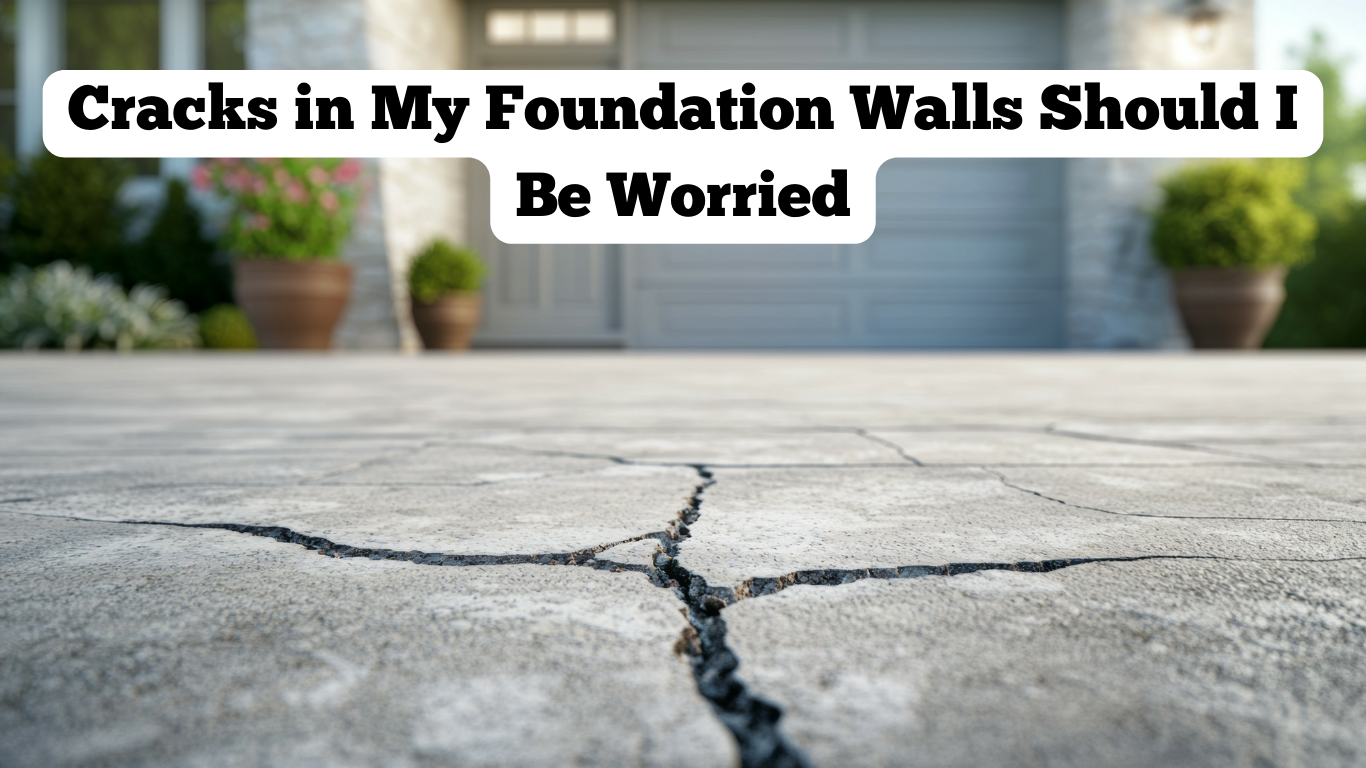
Hairline cracks – These are thin cracks that appear as concrete cures or settles. They are usually cosmetic and rarely structural.
-
Vertical cracks – Often caused by normal settling. They should still be monitored but are not always dangerous.
-
Diagonal cracks – These may indicate uneven settling or shifting soil beneath the home.
-
Horizontal cracks – These are more serious and may signal pressure from expanding soil or water pushing against the wall.
Homeowners should pay attention to cracks that continue to grow or appear alongside other symptoms such as uneven floors or sticking doors.
Read more about early warning signs of foundation damage
When Foundation Cracks Become a Serious Problem
Some cracks remain stable for years, but others indicate that the foundation is actively shifting. If a crack widens, spreads, or appears suddenly, it may point to structural movement that requires repair.
Cracks should be evaluated by a professional if they show these warning signs:
-
The crack is wider than ¼ inch
-
The crack continues to grow over time
-
Multiple cracks appear in different areas of the home
-
Doors and windows begin sticking
-
Floors feel uneven or sloped
These symptoms often mean the foundation is settling unevenly or losing support beneath certain areas.
Why Ignoring Foundation Cracks Can Be Risky
It may be tempting to ignore a crack if it seems small, but even minor cracks can worsen if the underlying cause remains unaddressed. As soil shifts beneath the foundation, cracks may widen and allow moisture to enter the structure.
Over time, this can lead to additional problems such as wall separation, plumbing damage, and interior structural issues. Water intrusion through foundation cracks can also encourage mold growth and deterioration of building materials.
Early inspections help homeowners catch problems before they require larger structural repairs.
How Foundation Specialists Diagnose the Problem
A professional foundation inspection evaluates both the visible cracks and the conditions causing them. Technicians look at the entire structure rather than focusing on a single crack.
During an inspection, specialists typically:
-
Examine the size and direction of cracks
-
Check interior walls, floors, and ceilings for signs of movement
-
Measure floor elevation across the home
-
Inspect drainage conditions and soil around the foundation
These steps help determine whether the crack is cosmetic or a sign of foundation movement.
Schedule a professional foundation inspection
Possible Solutions for Foundation Cracks
The right repair depends on what caused the crack in the first place. Cosmetic cracks may only require sealing or patching, while structural cracks may require stabilization.
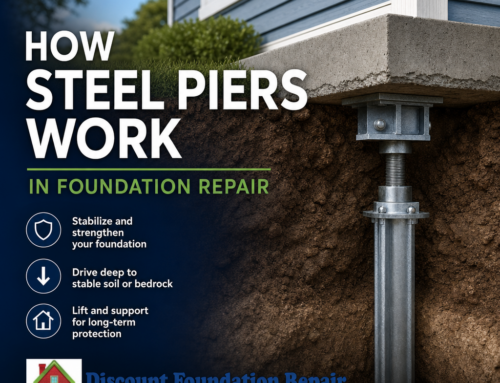
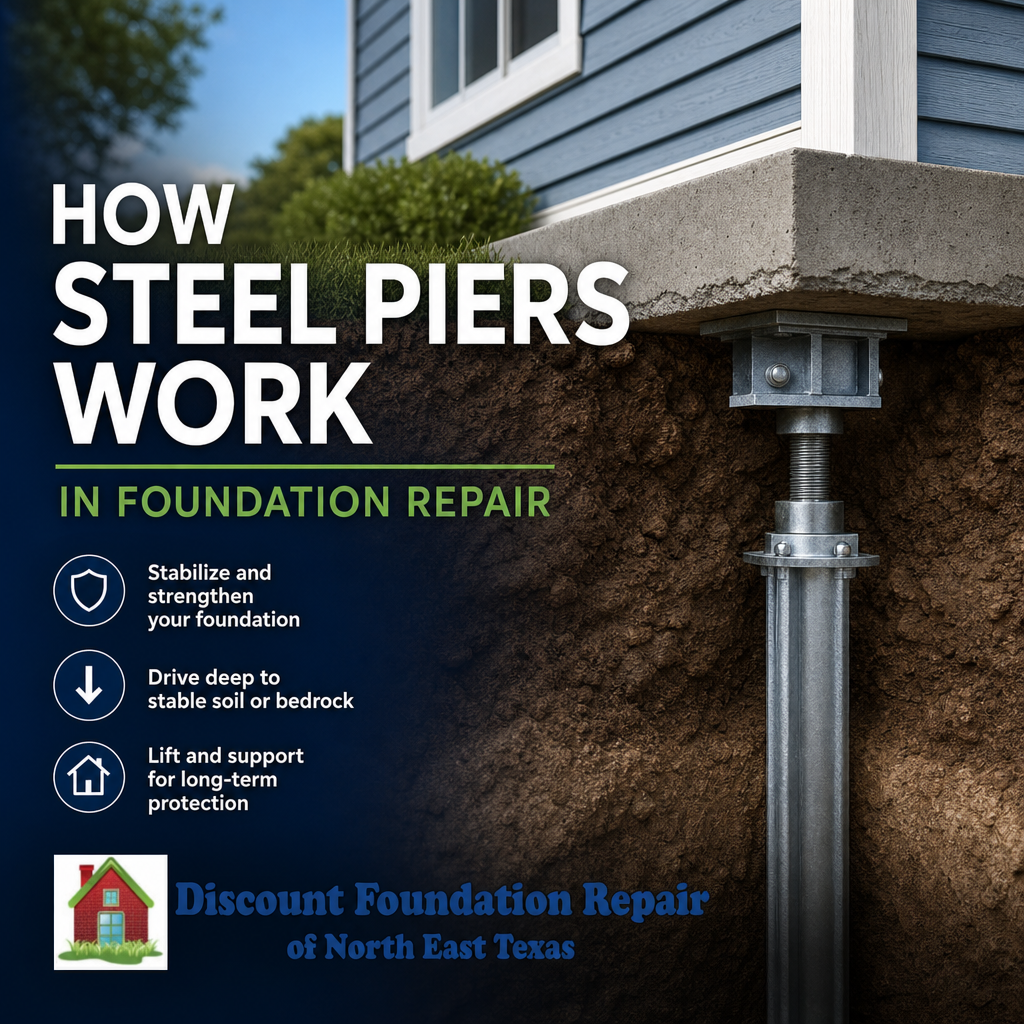
Common repair solutions include installing support piers beneath areas that have settled, improving drainage to control moisture levels, or reinforcing pier and beam supports under crawl space homes.
Each repair plan should be customized to the home’s foundation type and the surrounding soil conditions.
Learn how slab foundation repair works
For additional information on structural cracks and concrete behavior, the American Concrete Institute provides guidance on concrete crack evaluation.
What Homeowners Care About Most
For many homeowners, the biggest concern is whether the crack means their home is unsafe or losing value. The good news is that most foundation problems can be repaired successfully when addressed early.
Discount Foundation Repair has helped homeowners across North Texas diagnose and repair foundation issues with clear communication and dependable solutions. Their team understands local soil conditions and explains every step of the repair process so homeowners know exactly what to expect.
“We noticed a crack in our foundation wall and thought the worst. The inspection showed it was early settling, and they stabilized the area before it got worse. The whole process was straightforward and stress-free.” — Homeowner in Fort Worth
Early action protects both the structure of the home and its long-term value.
Get the Help You Need
If you’re looking for expert help with foundation cracks in North Texas, call 817-123-4567 to schedule a professional inspection. Discount Foundation Repair provides honest evaluations and long-lasting repair solutions that keep your home stable and secure.