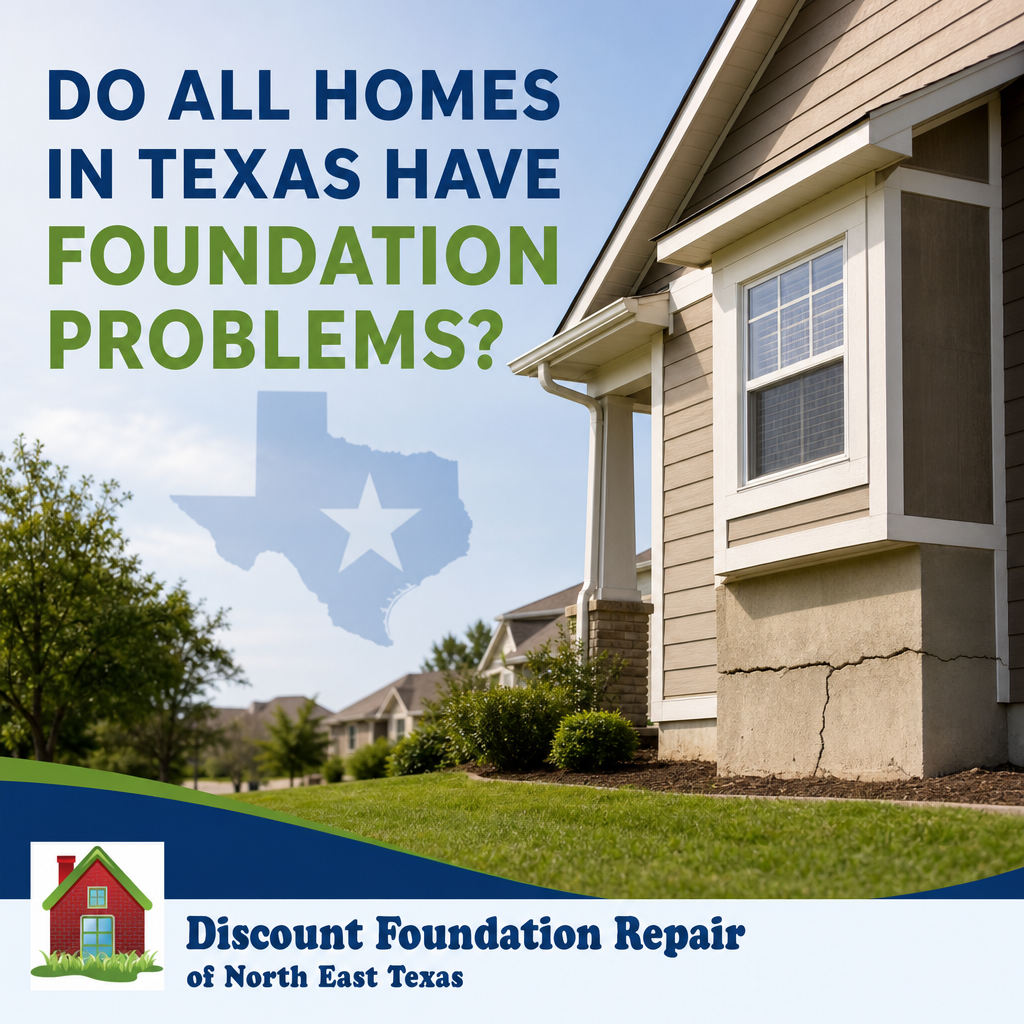
Wondering how steel piers work in foundation repair and whether they can help stop your home from sinking, cracking, or shifting? Discount Foundation Repair provides honest evaluations and practical repair options to help protect your property from structural damage.
Steel piers are one of the most common solutions used when a foundation has settled because weak surface soils can no longer support the structure properly. Instead of relying only on unstable soil near the surface, steel piers are driven deep into the ground until they reach stronger load-bearing strata. Once installed, they help support and stabilize the foundation, reducing stress on walls, floors, doors, windows, and the overall structure.
For homeowners dealing with cracks, sloping floors, sticking doors, or separation around brick and trim, understanding steel piers foundation repair can make the repair process feel less overwhelming. Discount Foundation Repair helps homeowners, property managers, and real estate professionals determine whether steel piers, drainage correction, slab leveling, pier and beam repair, or another repair method is the right fit for the property’s condition.
How steel piers stabilize sinking slab foundations
Steel piers are designed to transfer the weight of a home or building from weak upper soils to deeper, more stable soil layers. During foundation repair, small access areas are typically excavated around the affected section of the foundation. Steel pier sections are then hydraulically driven into the ground, one segment at a time, until they meet sufficient resistance.
Once the piers reach a stable depth, brackets are attached to the foundation. These brackets connect the structure to the pier system, allowing the load to be supported by the deeper bearing layer. In some cases, the foundation may be carefully lifted toward a more stable position, depending on the structure, the amount of movement, and the repair plan.
This process is often used in slab foundation repair because concrete slabs can move when expansive clay soil shrinks, swells, erodes, or loses moisture unevenly. Steel piers do not remove soil movement from the property, but they can provide deeper support where settlement has already caused structural stress.
Signs your home may need steel pier foundation repair
Foundation settlement can show up in several areas of the home. Some symptoms look minor at first but may point to movement below the slab or support system. A professional foundation inspection can help determine whether steel piers are needed or whether drainage correction, crack repair, or another solution is more appropriate.
Common warning signs include:
- Stair-step cracks in brick or masonry
- Interior drywall cracks around doors and windows
- Doors or windows that stick, drag, or no longer latch properly
- Uneven, sloping, or soft-feeling floors
- Gaps between walls, ceilings, trim, or cabinets
- Cracks across concrete slabs, patios, or garage floors
- Separation around exterior walls, fascia, or chimney areas
These issues do not always mean the home needs piers, but they should not be ignored. Foundation movement can continue if soil conditions, drainage problems, plumbing leaks, or structural loads are left unaddressed. Discount Foundation Repair looks at the full picture before recommending foundation leveling, slab leveling, crack repair, or pier installation.
Steel piers compared to concrete piers and other repair options
Steel piers are often selected when deeper support is needed. Because they are installed in sections and driven to load-bearing soil, they can reach depths that may not be practical with some shallow repair methods. This makes them useful for homes affected by significant settlement or unstable upper soil layers.
Concrete piers may be used in some situations, but they can be limited by depth, soil conditions, and installation approach. Other repair options may include drainage correction, polyurethane foam for certain slab leveling needs, pier and beam adjustments, shimming, structural stabilization, or localized crack repair. The best solution depends on the structure, soil behavior, foundation type, and severity of movement.
A reliable company should not recommend the same repair for every property. Discount Foundation Repair evaluates residential and commercial foundation issues carefully so customers understand the available options. The goal is not just to address visible cracks, but to improve long-term structural stability and reduce the risk of worsening property damage.
Drainage and soil movement around steel pier repairs
Steel piers can provide strong support below the foundation, but drainage and soil moisture still matter. Many foundation problems begin when water collects near the slab, washes soil away, or causes expansive clay to swell. During dry periods, that same soil may shrink and pull away from the foundation, leaving portions of the structure unsupported.
Good drainage helps limit stress on the foundation system. Homeowners should keep gutters clean, extend downspouts away from the home, correct negative grading, and watch for pooling water near the slab. If poor drainage contributed to settlement, pier installation alone may not fully address the conditions around the home.
Discount Foundation Repair considers drainage and soil movement when recommending house leveling, slab foundation repair, or structural stabilization. Addressing water flow can help protect the repair investment and support better long-term performance of the foundation system.
Steel pier foundation repair costs, timelines, and property protection
Homeowners usually want clear answers about repair costs, timelines, safety, and how the work may affect their property. Steel pier foundation repair costs depend on the number of piers needed, how deep they must be driven, the amount of settlement, access around the foundation, soil conditions, and whether drainage or crack repair is also needed. A careful inspection is the best way to get a realistic estimate.
Timelines vary by project size. Some residential repairs may be completed in a few days, while more complex structural or commercial foundation services can take longer. During the estimate process, homeowners should ask how the crew will access the work areas, what areas may need excavation, how lifting will be monitored, and what steps are taken to reduce disruption.
Choosing the right foundation repair company matters. Look for experienced crews, straightforward communication, repair options based on the actual property condition, and a clear explanation of drainage concerns. A dependable company should help you protect home value, improve structural safety, and avoid unnecessary repairs.
Get the help you need with steel pier foundation repair
Get the help you need if your home is showing signs of settlement, cracks, uneven floors, or structural movement. Discount Foundation Repair provides honest foundation evaluations, practical recommendations, and dependable workmanship for homeowners and property professionals concerned about long-term stability.
Our team can inspect your slab, pier and beam foundation, drainage conditions, and visible structural damage to determine whether steel piers, slab leveling, crack repair, drainage correction, or another repair method makes sense. If you’re concerned about foundation movement, schedule an inspection with Discount Foundation Repair and get clear guidance before the damage becomes more costly.