Discount Foundation Repair helps homeowners protect their homes by addressing one of the most common causes of foundation problems: uncontrolled rainwater. Rain may seem harmless, but over time, poor drainage can shift soil, weaken supports, and cause cracks that spread across floors and walls.
By learning how to manage runoff and redirect water safely, you can avoid costly repairs and keep your foundation solid for years to come.
Why Rainwater Is a Threat to Your Foundation
When rain falls around your home, the water naturally seeks the lowest point—which is often the soil surrounding your foundation. If that water has nowhere to go, it begins to soak the ground, causing the clay-rich soil to swell. This expansion places uneven pressure on your foundation.
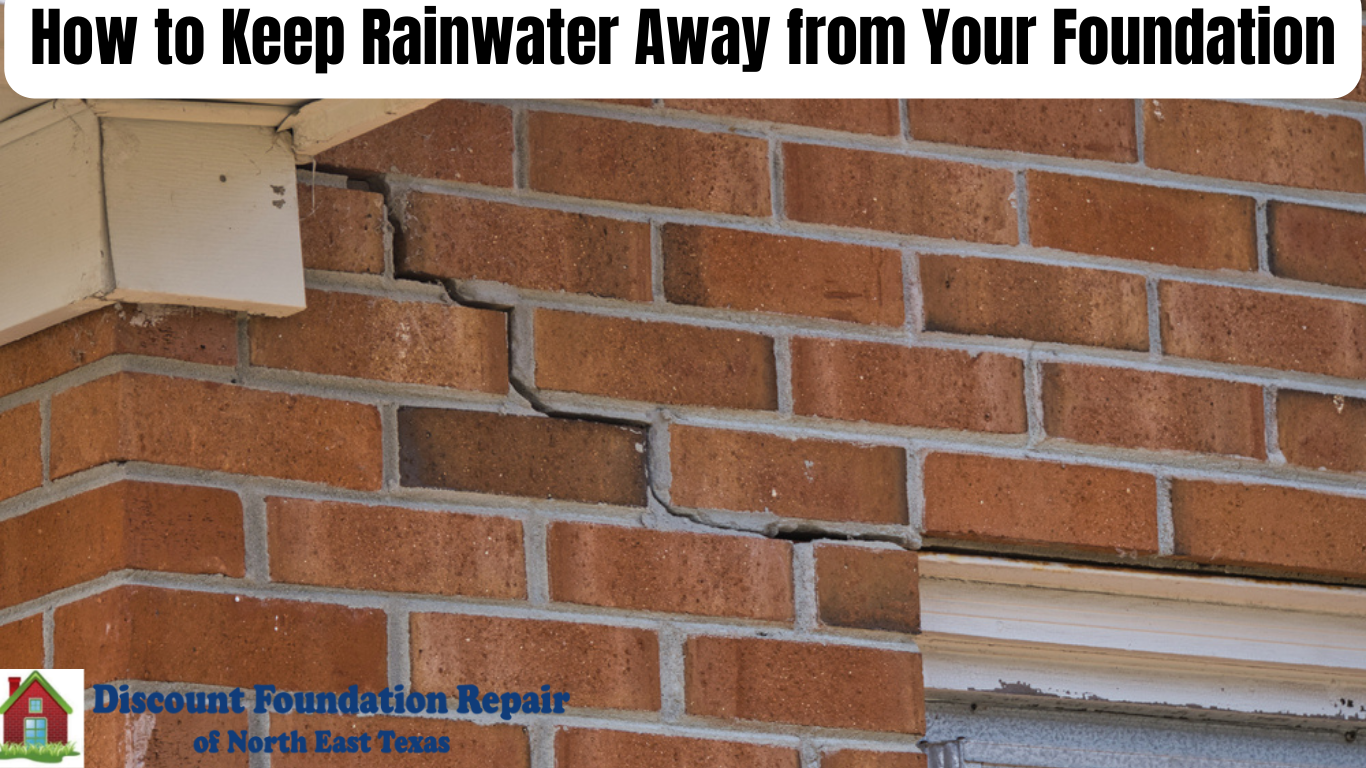
Once the rain stops, the soil contracts as it dries. These constant shifts in volume and pressure lead to cracks, sinking, and misalignment in slab or pier and beam foundations alike.
Even light, steady rain can cause damage over time if drainage isn’t addressed.
Common Signs of Poor Drainage Around a Home
It’s not always obvious when rainwater is causing problems. Here are a few clues to watch for:
- Pools of water near the foundation after storms
- Mold or mildew on the lower walls inside the home
- Cracks in the exterior brick or foundation
- Wet crawl space or basement conditions
- Soil erosion or exposed roots near the home
Learn more about early warning signs of foundation damage
Best Ways to Redirect Rainwater
There are several proven strategies to move water away from your foundation before it becomes a problem. Each one addresses a different part of your property’s drainage system.
1. Extend Downspouts
Many homes have downspouts that release rainwater right at the base of the foundation. By adding extensions that move water at least 4 to 6 feet away from the house, you reduce the risk of pooling and soil expansion.
2. Grade the Landscape
The soil around your home should slope away from the foundation. A gentle grade—about 5% or 6 inches over 10 feet—helps rainwater flow away naturally. Regrading may be necessary if erosion or settling has created low spots.
3. Install a French Drain
This underground system collects and redirects water using gravel-filled trenches and perforated pipes. French drains are ideal for homes on slopes or with chronic water pooling.
4. Clean and Maintain Gutters
Clogged gutters overflow and dump water directly onto the soil below. Keeping them clear ensures water flows to downspouts and away from your home.
See how drainage affects foundation health
Tips for Pier and Beam Homes
Homes with crawl spaces face additional challenges. Excess moisture under the home can lead to mold, wood rot, and settling floor joists. In these cases, sealing the crawl space and installing vapor barriers or sump pumps can help protect the foundation from rain-related issues.
Pier and beam homes may also need additional ventilation or drainage improvements around the perimeter skirting.
What Happens If You Don’t Act
Ignoring rainwater drainage problems can lead to:
- Foundation cracks or shifting
- Interior wall and ceiling damage
- Uneven or sloping floors
- Plumbing issues caused by foundation movement
- Lower property value and increased repair costs
“After every storm, we had puddles along the side of our house. Over time, we noticed cracks and sticking doors. Discount Foundation Repair helped fix our drainage and prevent further damage.” — Homeowner in North Texas
Schedule a foundation inspection if you suspect water issues
For detailed outdoor drainage advice, the EPA’s Residential Rainwater Management Guide offers helpful ideas for protecting your property.
Get the Help You Need
When you need solutions for rainwater near your foundation, call 817-226-7221. Discount Foundation Repair provides inspections, drainage plans, and long-term fixes to keep your home stable and dry.