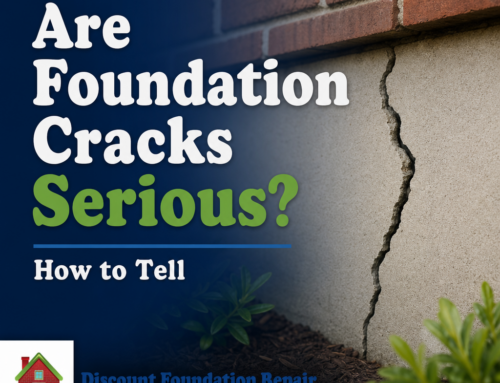
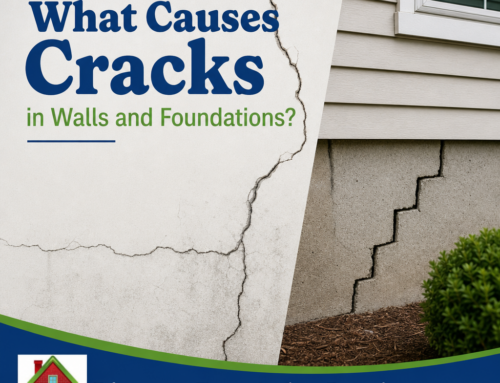
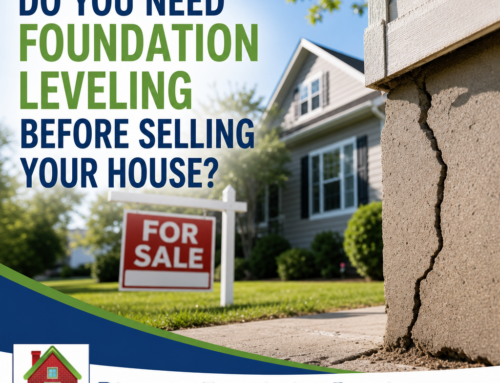
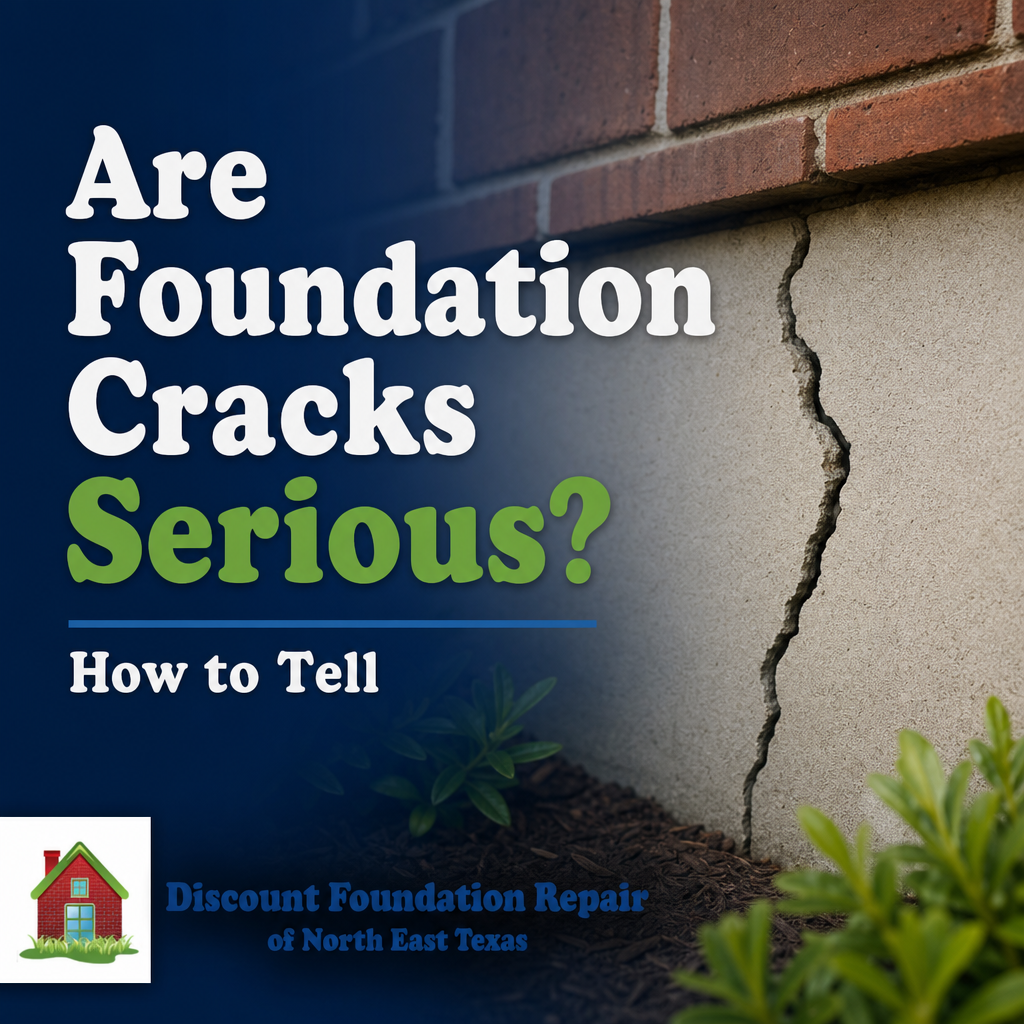
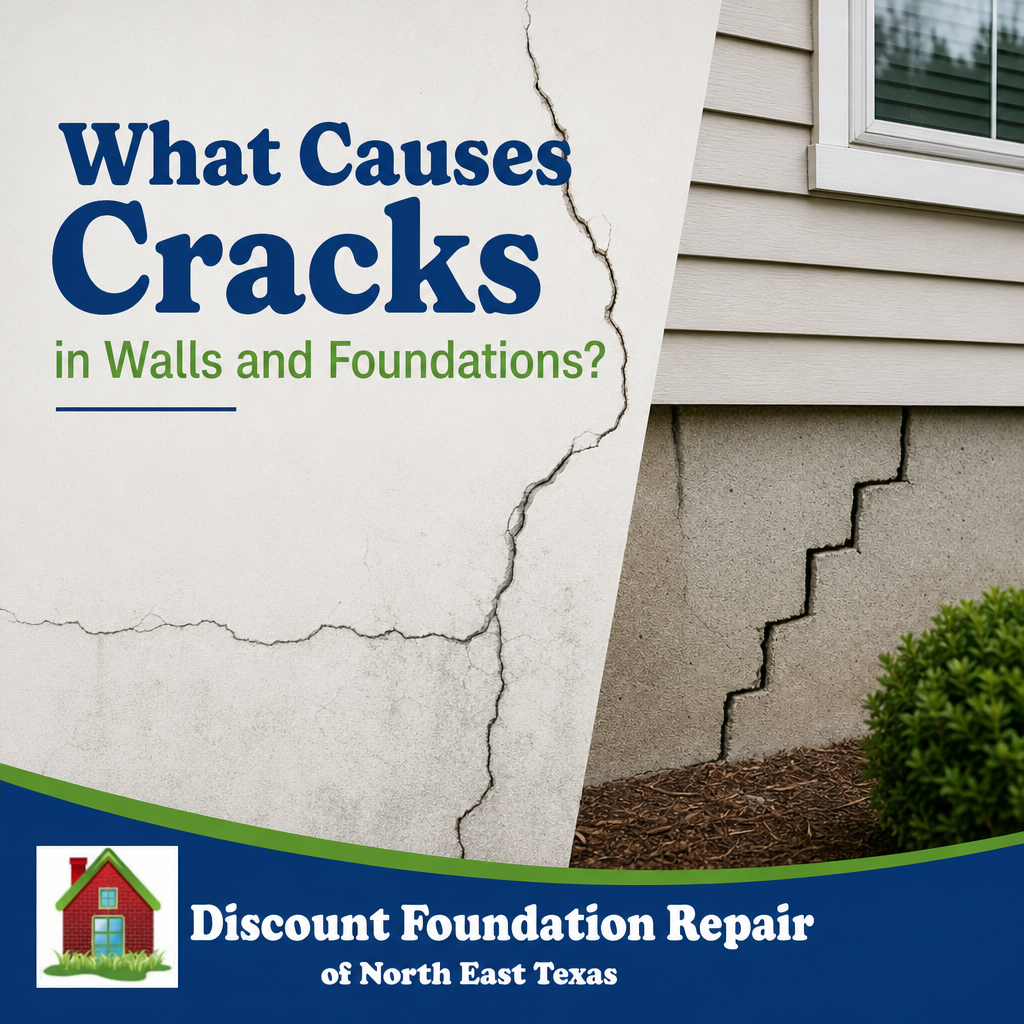
We provide expert foundation leveling services across Irving, Watauga, and Grapevine that protect your home’s value and make it easier to qualify for mortgages or Texas bank loans—even when foundation damage is already present.
Foundation damage can put your mortgage plans at risk and throw a wrench in any discussions with banks or lenders. Whether you’re buying a home, refinancing, or trying to sell, the condition of your foundation directly impacts a lender’s decision. That’s where we come in. At Discount Foundation Repair Specialists, we’ve worked with countless Texas homeowners to restore their properties and help them meet lending requirements. Understanding how foundation issues intersect with home financing is key to making smart decisions—and keeping your house both stable and marketable.
How Foundation Damage Affects Texas Mortgages
Mortgage lenders in Texas require that the properties they finance are structurally sound. Foundation problems send up red flags during inspections, and depending on severity, they may delay or derail your loan application. Even minor signs like cracks or uneven floors can trigger a deeper structural evaluation. When damage is confirmed, lenders often pause funding until repairs are completed by a licensed professional.
In FHA, VA, or USDA loans, which are common in Texas, the requirements are even more strict. These government-backed loans have minimum property standards, and foundation issues will almost certainly need to be resolved before approval. That’s why timely inspections and foundation leveling can protect your financing timeline and improve your approval odds.
Repairing foundation issues before applying for a mortgage shows responsibility and increases the home’s appraised value. Most importantly, it gives lenders peace of mind that the home won’t become a money pit. Banks are less likely to finance a house that shows potential for worsening damage.
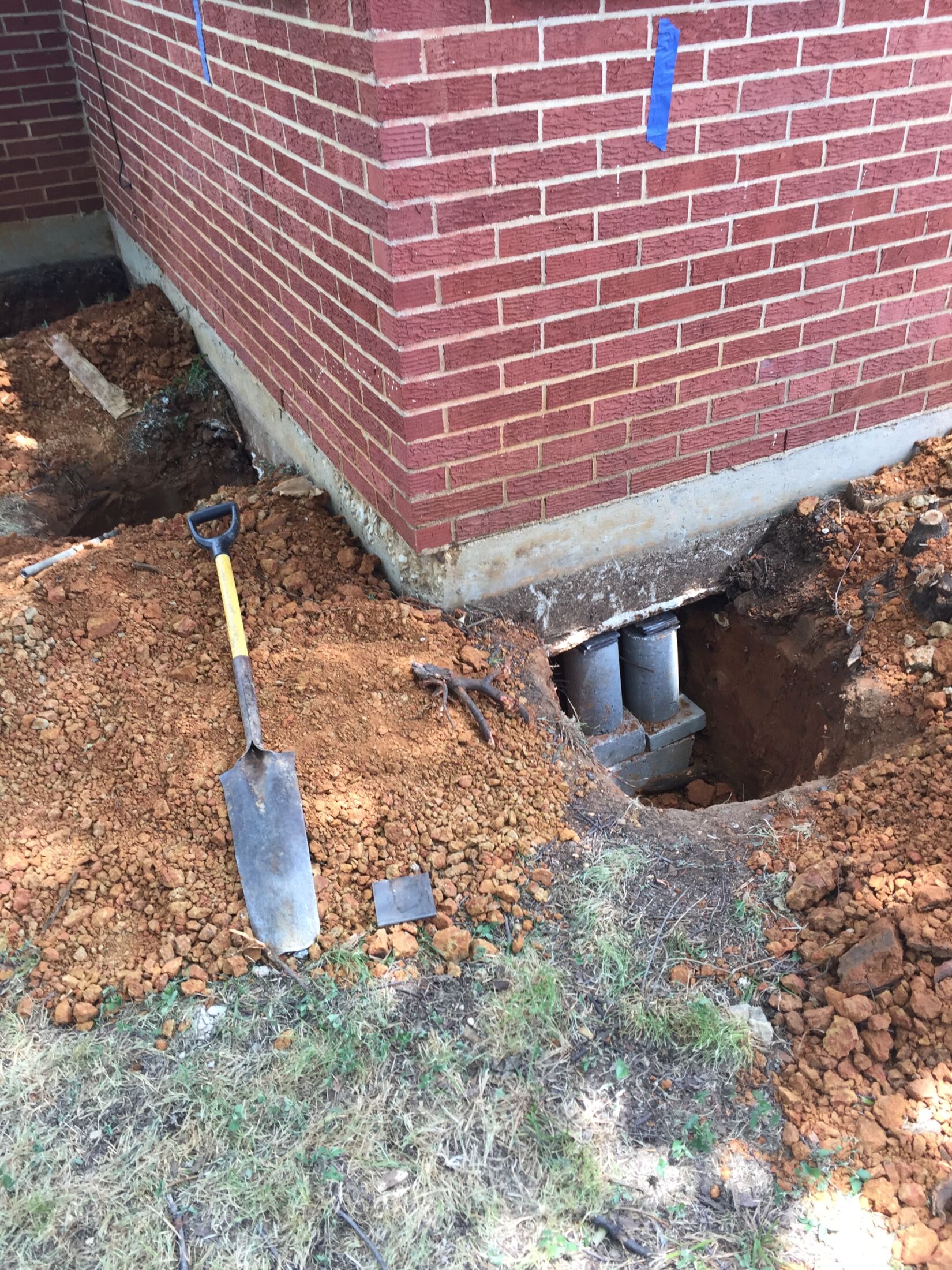
Can You Get a Loan With Foundation Problems?
Yes, but it’s complicated. While conventional lenders might approve a loan on a home with foundation settlement, it usually comes with conditions: higher interest rates, lower loan amounts, or a requirement that repairs are made prior to closing. In many Texas cities, banks will require a structural engineer’s report and an estimate for repairs before proceeding.
There are a few financing alternatives:
-
Rehabilitation or renovation loans, like the FHA 203(k), include the cost of repairs in the mortgage.
-
Bridge loans or home equity lines of credit (HELOCs) may be used to fund foundation repairs before listing or selling a property.
-
Some banks offer loans specifically for foundation work, often requiring proof of licensed repair services.
In all cases, having a detailed plan and working with a trusted contractor like Discount Foundation Repair Specialists can make financing more accessible. We’re familiar with Texas lending requirements and can provide the documentation needed to move the process forward.
How Foundation Repairs Help Protect Your Home’s Value
Foundation leveling doesn’t just improve your home’s structure—it protects its resale value and makes the property safer and more livable. In competitive markets like Grapevine or Irving, even minor signs of foundation shifting can cause buyers to walk away or demand major price reductions.
By investing in quality repairs:
-
You maintain or increase your property’s appraisal value.
-
You prevent future damage to plumbing, walls, and roofing.
-
You make your home more attractive to lenders and buyers alike.
Foundation repair also sends a message to inspectors and mortgage lenders: this is a home that’s been cared for. That alone can make your listing stand out in Texas real estate markets, where buyers are often wary of homes with a repair history but no documented follow-up work.
What Homeowners in Texas Should Know Before Financing a Damaged Home
If you’re considering buying or refinancing a home with known foundation issues, timing and strategy are critical. The first step is to get a reliable foundation inspection from a local expert. A general home inspector may note the problem, but only a foundation specialist can accurately diagnose the issue and estimate the cost to repair.
Once the damage is understood, talk to your lender. Some will allow repairs after closing, but most will require proof that the work is scheduled—or already done. Bringing in a professional company like ours early in the process helps you build trust with the lender and provides clarity about the scope of work.
If you’re selling, be transparent. Disclose the damage and share repair estimates. Buyers often appreciate honesty, especially when it’s paired with a professional plan to fix the problem. This can make your home more competitive and simplify the closing process.
Lastly, don’t delay. Foundation problems only get worse—and more expensive—over time. Acting quickly helps protect your investment and gives you leverage in financing discussions.
Get the Help You Need to Navigate Foundation Issues and Home Financing
If you’re looking for a trusted partner to help you address foundation damage while working through mortgage approvals or bank loan requirements, Discount Foundation Repair Specialists is here for you. Our team brings decades of experience serving Irving, Watauga, and Grapevine, and we understand how critical it is to act fast when foundation issues arise.
We don’t just provide leveling and structural repairs—we guide you through what comes next. From inspection reports to bank-ready documentation, we make sure your home is ready for appraisal and financing. We’ve helped many homeowners just like you secure their dream homes or sell properties faster, even after major foundation concerns.
Don’t let foundation issues hold back your real estate goals. Call us today for a free estimate and let us help you move forward with confidence.